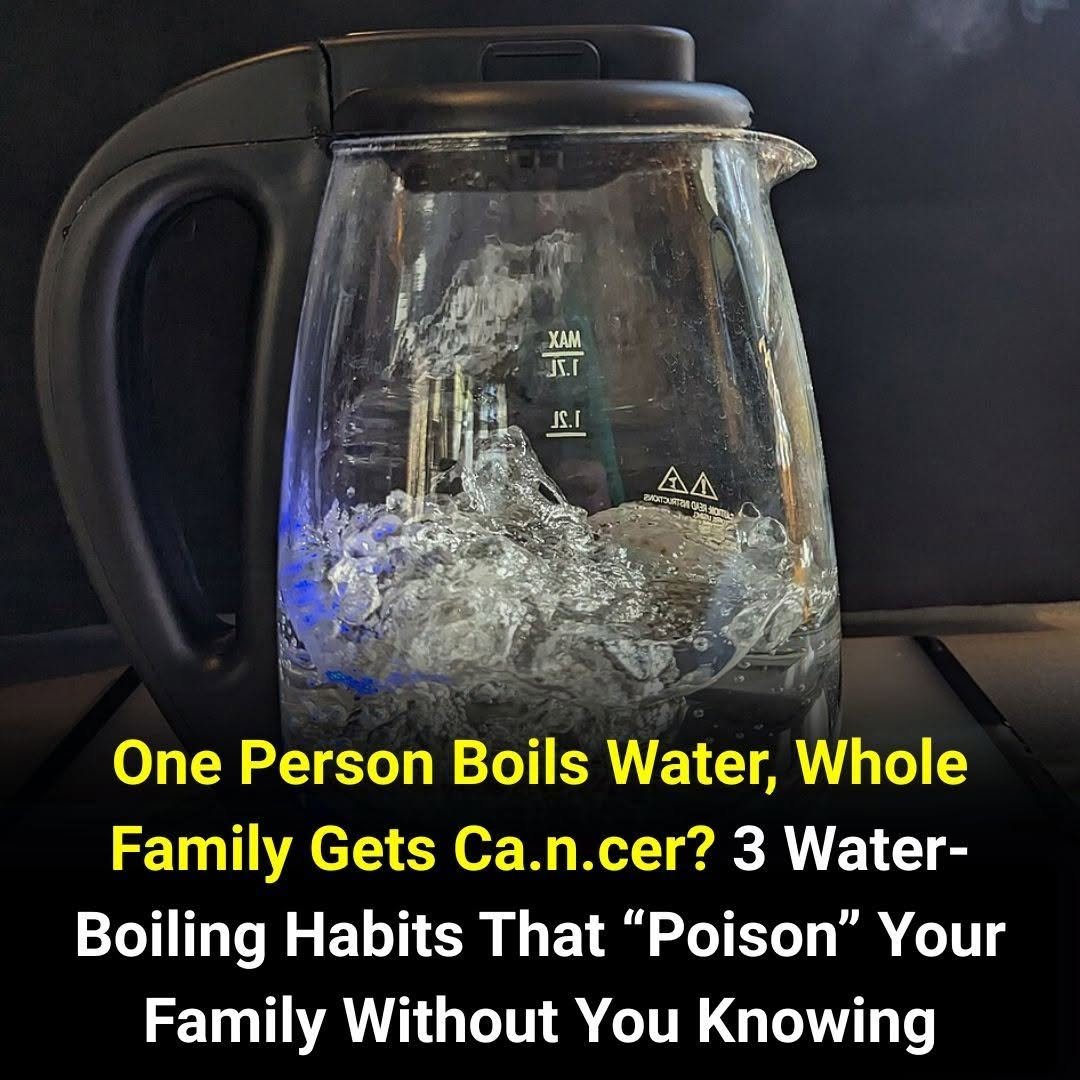
Digital media platforms frequently feature close-up photography of glass electric kettles boiling water paired with extreme health headlines—such as claiming that basic water-boiling habits cause cancer or “poison” whole families. These viral posts rely on evasive typography (such as “Ca.n.cer”), sensationalized toxicity claims, and curiosity-driven listicles to trigger health anxiety, maximize social media sharing, and drive ad-monetized web traffic rather than offering evidence-based toxicological or culinary safety education.
From a public health and materials science perspective, thermal boiling is one of the most effective, reliable methods for neutralizing waterborne biological pathogens, including bacteria, viruses, and protozoa. Standard electric kettles constructed from certified glass, food-grade 304 stainless steel, or BPA-free heat-resistant polymers do not leach carcinogenic or poisonous compounds into drinking water during standard heating cycles. A widespread online myth claims that re-boiling water dangerously concentrates toxic heavy metals, nitrates, or fluoride; however, the minor volume loss through steam during typical domestic boiling is negligible and presents zero toxicological risk to human health. Content-farming networks routinely reframe basic appliance maintenance tips—such as removing limescale—into terrifying systemic health threats purely to exploit digital engagement metrics and optimize ad placement revenue.
Maintaining safe, high-quality drinking water at home relies on utilizing certified food-safe appliances and maintaining clean water sources rather than engaging with sensationalized internet myths. Regular descaling of kettles using natural acidic solutions, such as vinegar or citric acid, prevents mineral buildup and maintains heating efficiency without chemical contamination. Understanding how viral clickbait exaggerates everyday routines helps consumers distinguish actual domestic risks from manufactured online misinformation. For verified guidelines regarding drinking water safety, appliance standards, and disease prevention, consulting government consumer protection agencies, municipal water authorities, or certified public health organizations provides accurate, authoritative guidance.
Leave a Reply