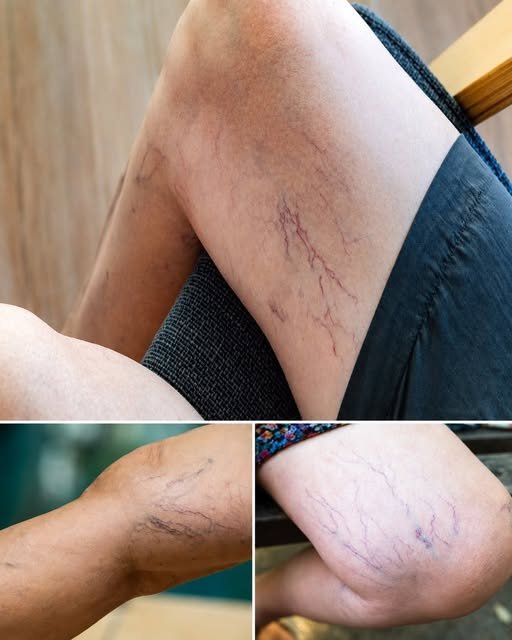
Digital media platforms frequently feature close-up photography of skin conditions paired with alarmist, cut-off clickbait headlines—such as claiming that visible purple veins on the legs indicate a severe, hidden physiological crisis or imminent disease. These viral posts are specifically engineered to provoke aesthetic anxiety, medical worry, and rapid online comment sharing rather than providing accurate, evidence-based vascular or dermatological education.
From a clinical vascular medicine perspective, visible purple or blue veins on the legs are overwhelmingly indicative of telangiectasias (commonly known as spider veins) or early-stage varicose veins. These conditions occur when tiny blood vessels near the surface of the skin dilate or when small valves inside lower-leg veins become weakened, allowing blood to pool slightly. Factors influencing their development include genetics, prolonged standing or sitting, hormonal fluctuations, aging, and pregnancy. While chronic venous insufficiency can occasionally lead to localized discomfort or swelling, superficial purple veins are extremely common and rarely signify sudden systemic dangers. Sensationalized online content regularly mischaracterizes common, benign vascular patterns to manufacture health scares and maximize digital engagement metrics.
Maintaining healthy leg circulation involves regular physical movement, elevating legs when resting, wearing compression socks if recommended, maintaining a healthy weight, and relying on professional clinical guidance rather than alarming internet generalizations. Personal health decisions and vascular concerns should always reflect verified clinical diagnostic evaluations. If you experience persistent leg pain, swelling, skin discoloration, or aching veins, consulting a licensed physician, dermatologist, or vascular specialist provides safe, evidence-based direction.
Leave a Reply