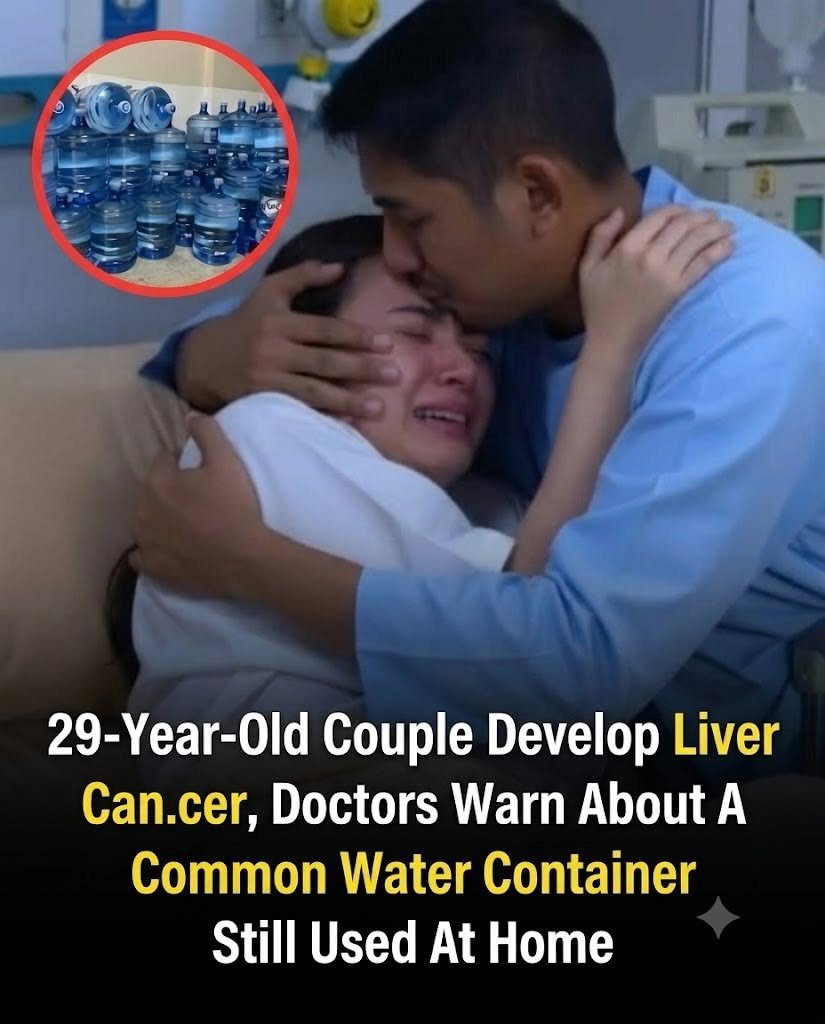
Digital media platforms frequently feature alarmist medical graphics and clickbait headlines claiming that everyday household items—such as standard 5-gallon plastic water jugs—cause immediate, synchronized, and fatal illnesses like liver cancer. These viral posts are specifically engineered to provoke intense health anxiety, fear of domestic contamination, and rapid online sharing rather than providing accurate, evidence-based toxicological or clinical education.
From a public health and toxicological perspective, standard commercial water containers—typically made from high-density polyethylene (HDPE) or food-grade polycarbonate—are rigorously regulated for consumer safety. Primary causes of liver malignancies (such as hepatocellular carcinoma) include chronic viral hepatitis infections (Hepatitis B and C), excessive long-term alcohol consumption, non-alcoholic fatty liver disease (NAFLD/MASLD), and exposure to specific environmental toxins like aflatoxins in contaminated grains, rather than ordinary drinking water storage containers. Online content mills regularly pair dramatic stock images of weeping hospital patients with everyday items to construct fabricated causal links, exploiting health fears to maximize ad clicks and algorithmic reach.
Maintaining safe hydration and household practices involves utilizing clean, food-grade water containers, thoroughly washing reusable dispensers regularly to prevent bacterial biofilm buildup, keeping stored water away from direct sunlight, and relying on established public health standards rather than alarming internet generalizations. Personalized health evaluation should always reflect objective clinical assessments and verified toxicological evidence. If you have concerns regarding environmental toxicity, water safety, or liver health, consulting a qualified physician, toxicologist, or public health official provides safe, evidence-based direction
Leave a Reply