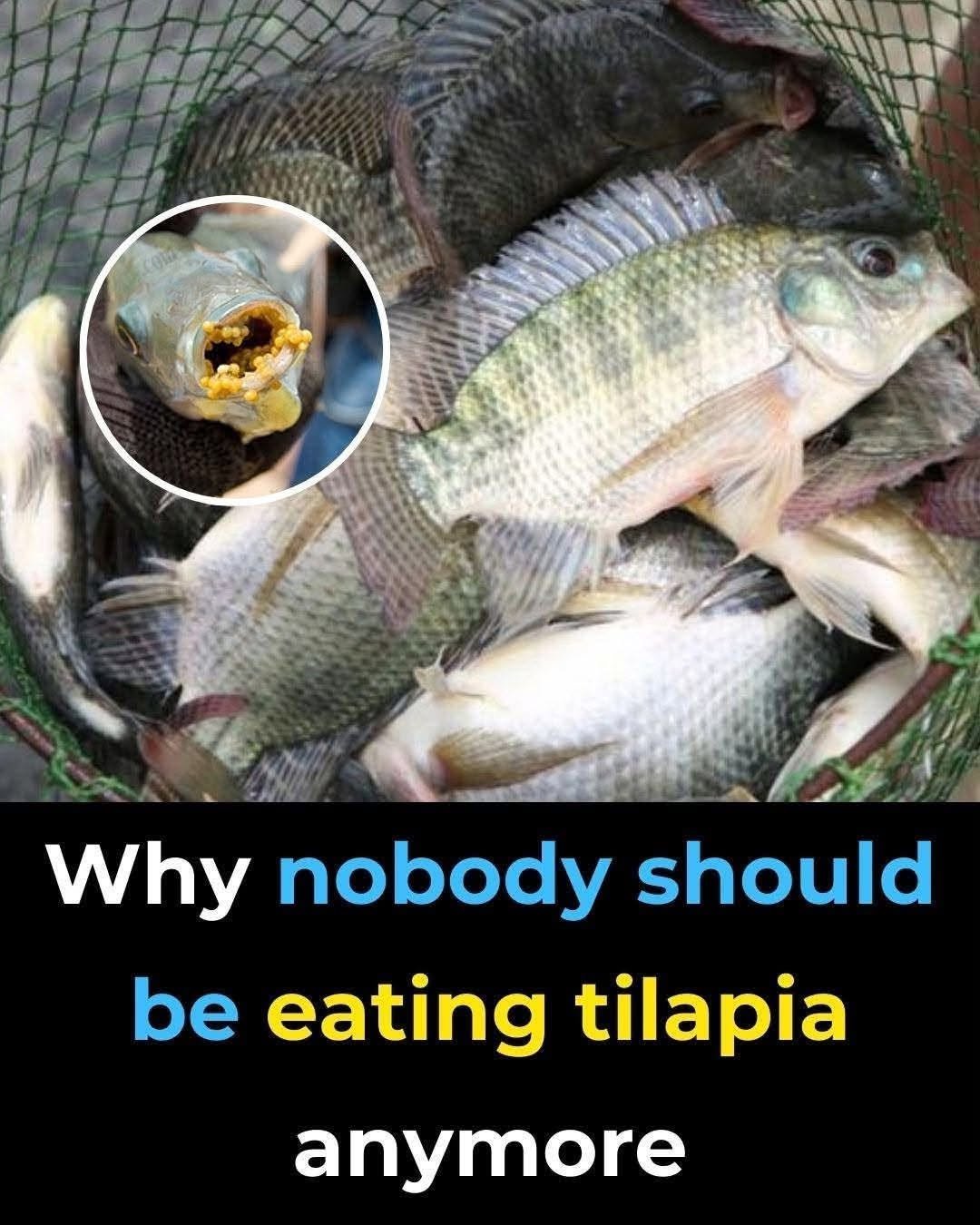
Digital media platforms frequently feature alarmist food graphics and clickbait headlines claiming that widely consumed seafood—such as tilapia—is “toxic,” “mutated,” or inherently dangerous to human health. These viral posts are specifically designed to provoke disgust, food anxiety, and rapid online sharing rather than providing accurate, evidence-based nutritional or biological education.
From a marine biology and nutritional science perspective, the circular insert image highlights a natural biological behavior known as mouthbrooding. Tilapia are maternal mouthbrooders; females carry their fertilized eggs and newly hatched fry inside their mouths to protect them from aquatic predators until they are mature enough to swim independently. Online content mills routinely take close-up photos of mouthbrooding fish out of context, sensationalizing ordinary parental care in nature to resemble parasites, disease, or abnormal growths.
Nutritional and food safety authorities recognize farmed tilapia as a safe, lean, low-mercury source of protein, essential vitamins, and minerals. While critics often highlight the ratio of omega-3 to omega-6 fatty acids in farm-raised fish compared to wild salmon, framing tilapia as a hazardous food supply relies on exaggerated generalizations designed to maximize social media click-through rates.
Maintaining healthy dietary habits involves sourcing seafood from regulated, sustainable fisheries, practicing safe food handling, following balanced dietary patterns, and relying on professional nutritional standards rather than alarming internet generalizations. Personalized dietary choices should always reflect sound scientific evidence and individual health needs. If you have specific dietary concerns or questions about seafood sourcing, consulting a registered dietitian or certified public health nutritionist provides safe, evidence-based direction.
Leave a Reply