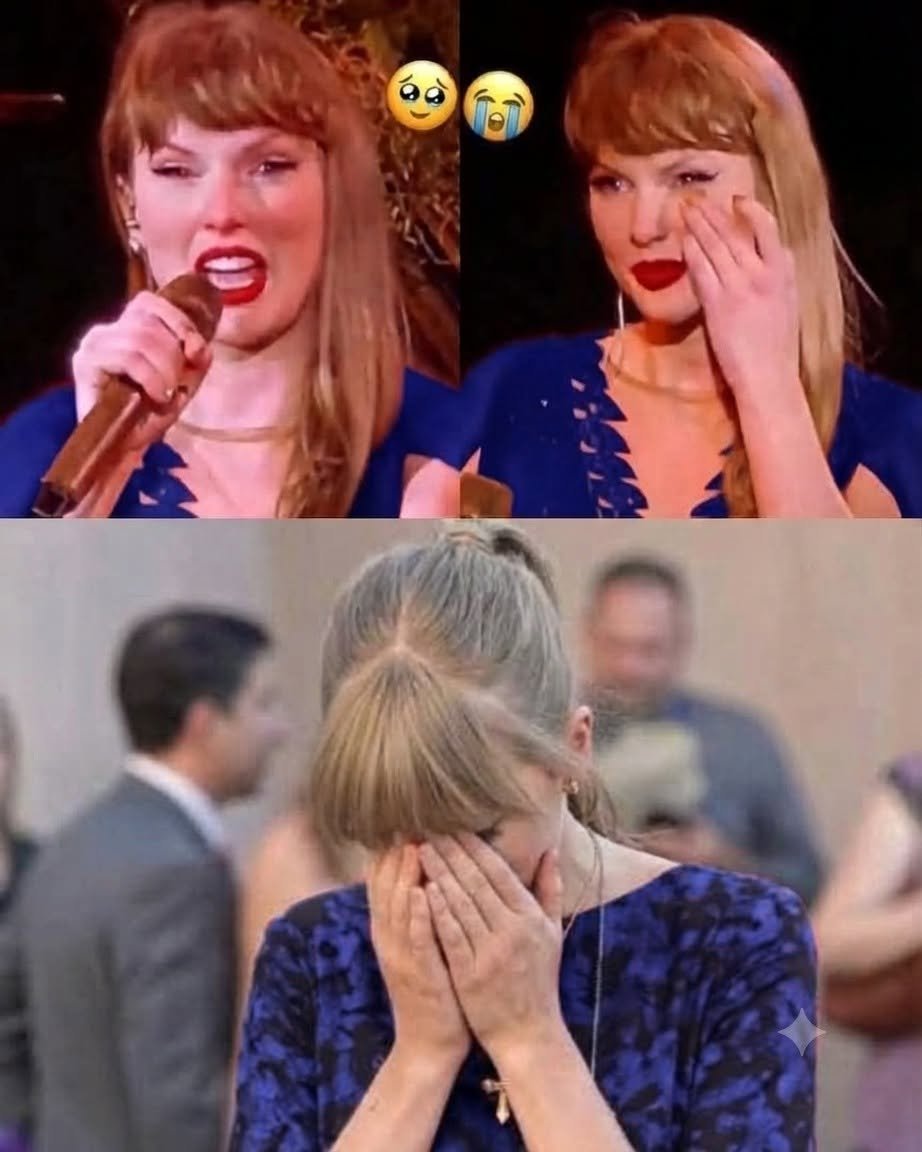
Digital media platforms frequently feature emotional photographs of globally recognized public figures paired with alarming, incomplete headlines—such as alleging that Taylor Swift was named in reports concerning a sudden “positive test.” These viral graphics are specifically engineered to provoke intense celebrity intrigue, health anxiety, and rapid online comment sharing rather than reporting authentic, verified journalistic news.
From a media literacy and digital forensics perspective, the visual assets used in these posts consist of unrelated concert screenshots and emotional press appearances. Content-farming networks systematically pair evocative concert stills—such as live musical performances during The Eras Tour—with open-ended, alarming phrases like “positive test” to trick readers into assuming medical diagnoses or personal crises. These sensationalized headlines routinely funnel social media users toward ad-monetized websites or click-through traps that contain no underlying substantiation or factual backing.
Evaluating digital pop-culture media effectively requires verifying sudden health claims through official announcements or established entertainment journalism institutions rather than trusting unverified social media teasers. Recognizing how digital content creators exploit high-profile public figures for algorithm-driven engagement remains essential for navigating modern media. If you are interested in accurate news regarding public figures, consulting primary press releases and established journalism outlets provides clear, objective, and verified information.
Leave a Reply