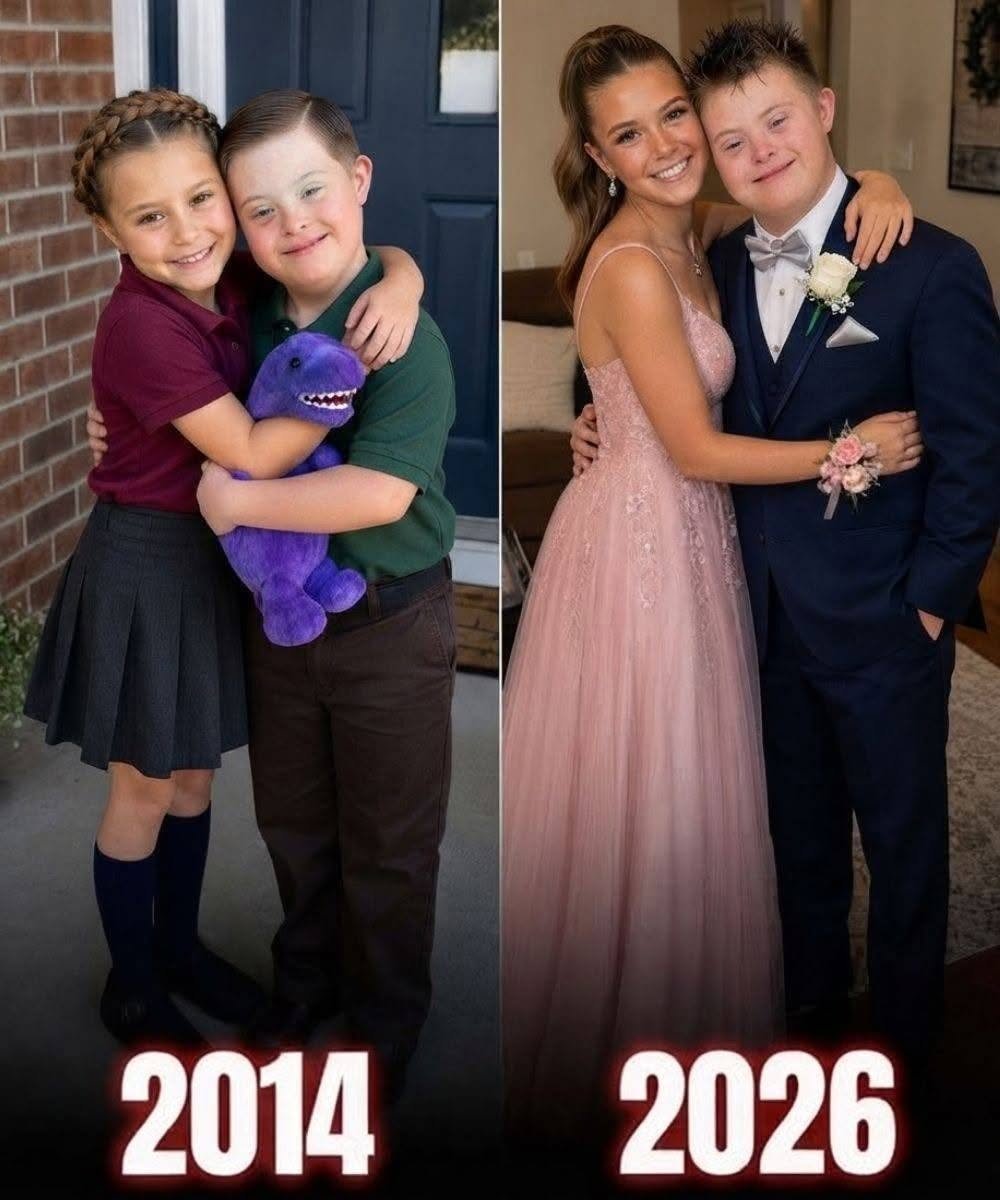
Digital media platforms frequently feature side-by-side comparison photographs spanning years—such as a childhood image labeled 2014 alongside a prom photo labeled 2026—paired with elaborate, emotionally manipulative melodramatic narratives. These viral posts rely on artificial storytelling, sensationalized parental drama hooks, and synthetic media to provoke high emotional engagement, sympathy, and rapid online comment sharing rather than reporting authentic real-life events.
JPG
From a media analysis and digital forensics perspective, the side-by-side images presented are synthetic outputs generated by artificial intelligence rather than genuine documentary photographs. Generative image models frequently produce hyper-polished, digitally blended visual compositions designed to evoke nostalgia, complete with stylized date stamps and fabricated dramatic backstories (such as locking a bedroom door to reveal a hidden secret). Content-farming networks systematically utilize these sentimental AI narratives to exploit empathy and trigger algorithmic engagement loops, driving heavy web traffic, follower growth, and ad revenue.
JPG+ 1
Evaluating online human-interest stories effectively requires recognizing the patterns of synthetic storytelling, checking for artifacts typical of AI image generation, and treating unverified social media folklore with skepticism. Recognizing how digital content creators weaponize emotional tropes helps maintain a grounded perspective on modern online media. If you are seeking genuine stories of friendship, community inclusion, or real human experiences, consulting verified journalistic features and reputable community profiles provides authentic context.
JPG+ 1
Leave a Reply