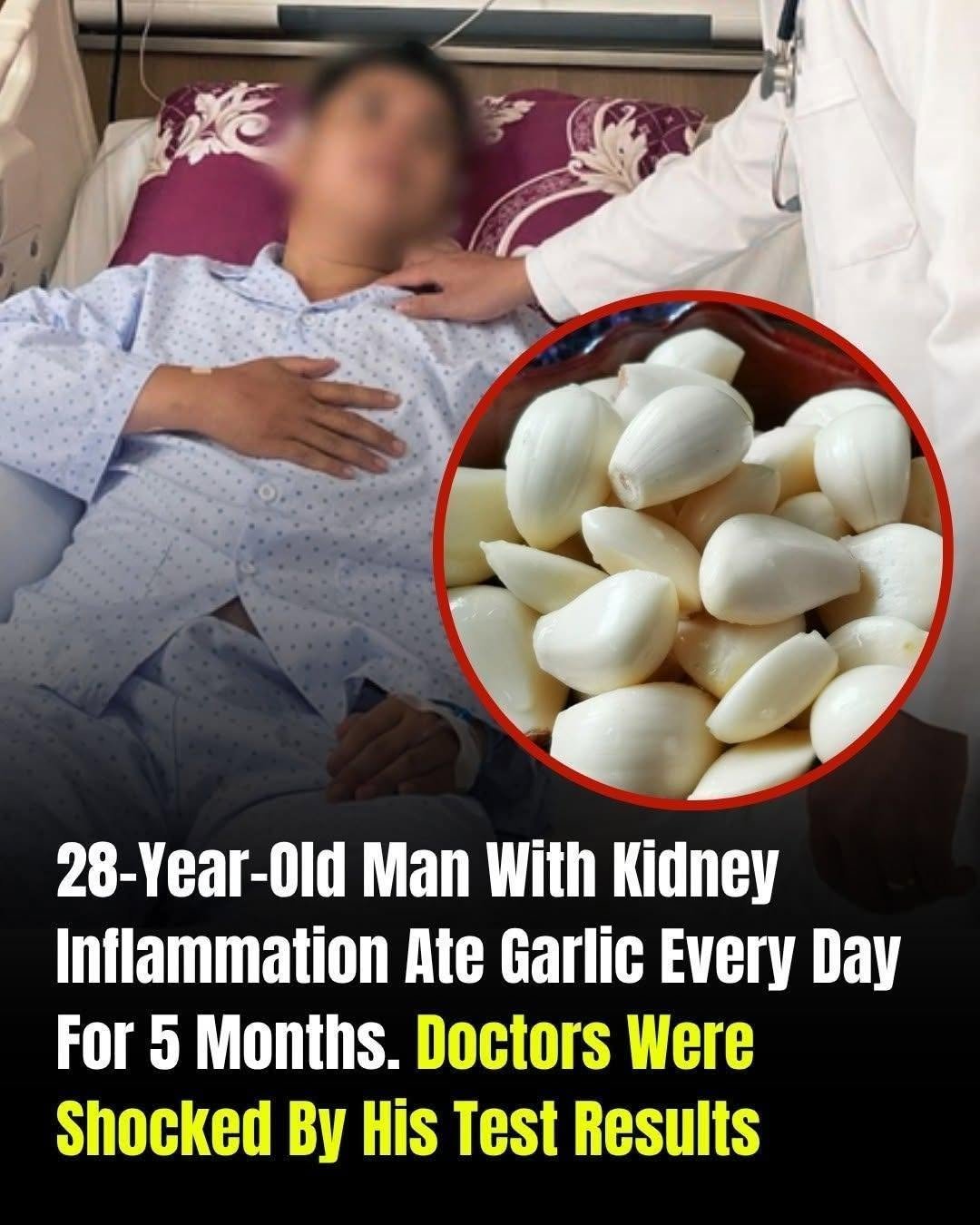
Digital media platforms frequently feature dramatic hospital photography paired with sensationalized clickbait headlines—such as claiming that eating raw garlic daily for several months caused shocking or miraculous changes to a patient’s kidney function. These viral posts are specifically engineered to provoke health anxiety, medical curiosity, and rapid online comment sharing rather than providing accurate, evidence-based nephrological or pharmacological education.
From a clinical nephrology and pharmacology perspective, garlic (Allium sativum) contains bioactive compounds such as allicin, which possess antioxidant and anti-inflammatory properties in preliminary research. However, routine dietary consumption of garlic is neither a magical cure for chronic renal disease nor a direct cause of severe organ failure under normal conditions. Chronic kidney inflammation, nephritis, or renal impairment are complex medical conditions requiring formal medical diagnosis, blood chemistry monitoring (such as serum creatinine and GFR), and targeted medical therapies. Sensationalized online content routinely exaggerates preliminary dietary studies or invents dramatic case studies to manufacture shock value and maximize digital engagement metrics.
Maintaining optimal kidney health involves managing blood pressure and blood sugar, staying adequately hydrated, avoiding the overuse of nephrotoxic over-the-counter medications (such as nonsteroidal anti-inflammatory drugs), and relying on professional clinical guidance rather than unverified internet claims. Personal health decisions and renal care should always reflect verified clinical diagnostics and scientific research. If you have concerns about kidney inflammation, renal function, or dietary modifications, consulting a licensed physician or nephrologist provides safe, evidence-based direction.
Leave a Reply