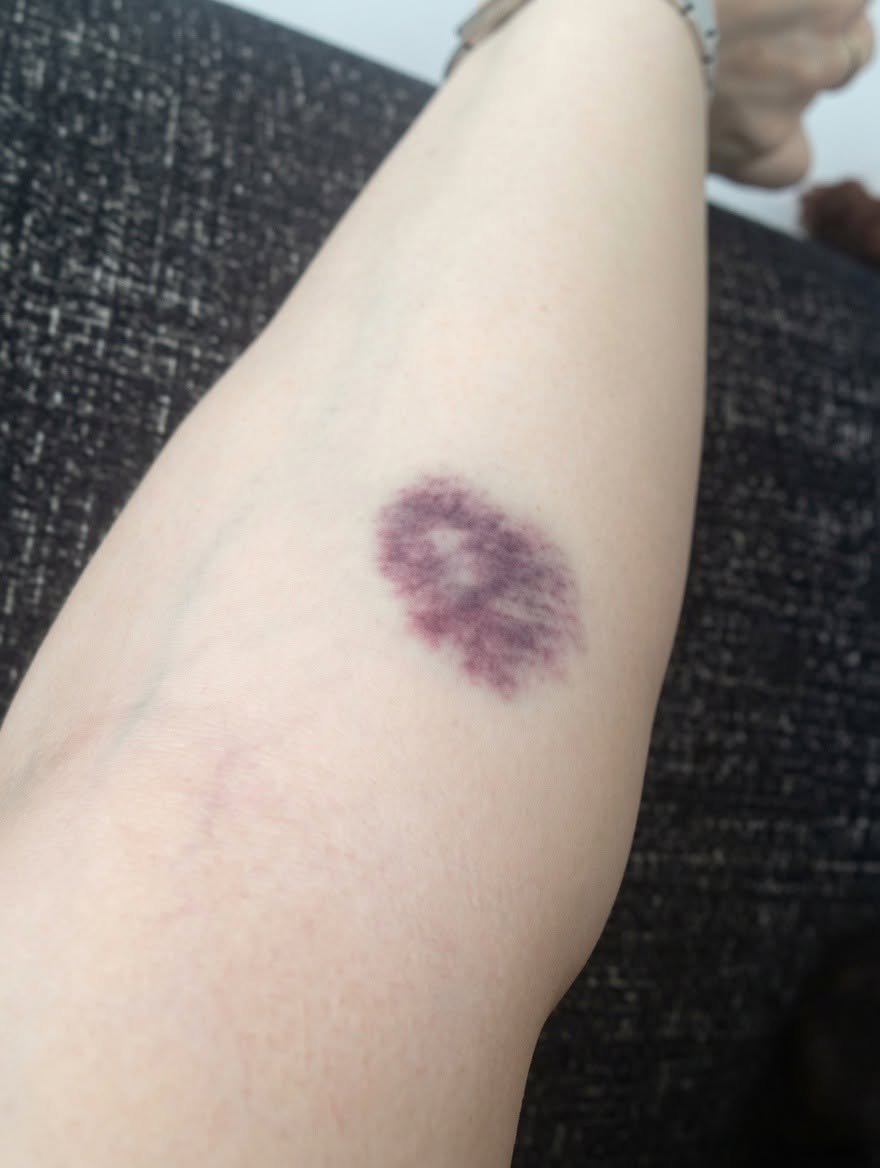
Digital media platforms frequently feature alarmist medical graphics and clickbait warnings claiming that any ordinary bruise found on the body serves as an immediate, definitive sign of severe systemic pathology, such as cancer or blood disorders. These viral posts are specifically designed to provoke health anxiety, fear, and rapid online sharing rather than providing accurate, evidence-based clinical or hematological education.
From a clinical and hematological perspective, common bruising (medically known as ecchymosis) occurs when small blood vessels (capillaries) rupture beneath the skin, typically due to minor physical trauma, bumps, or pressure. While persistent, unexplained, or spontaneous bruising can sometimes warrant clinical evaluation to assess clotting function or platelet levels, jumping directly to catastrophic diagnoses based on standard skin discoloration flattens complex diagnostic medicine to drive click-through metrics.
Maintaining long-term health involves monitoring unusual bodily changes objectively, attending routine medical checkups, and relying on professional clinical guidance rather than alarming internet generalizations. Personalized diagnostic care should always reflect a comprehensive physical exam, medical history, and clinical laboratory work rather than online self-diagnosis. If you notice frequent, unexplained, or severe bruising accompanied by other persistent symptoms, consulting a licensed physician provides safe, evidence-based direction
Leave a Reply