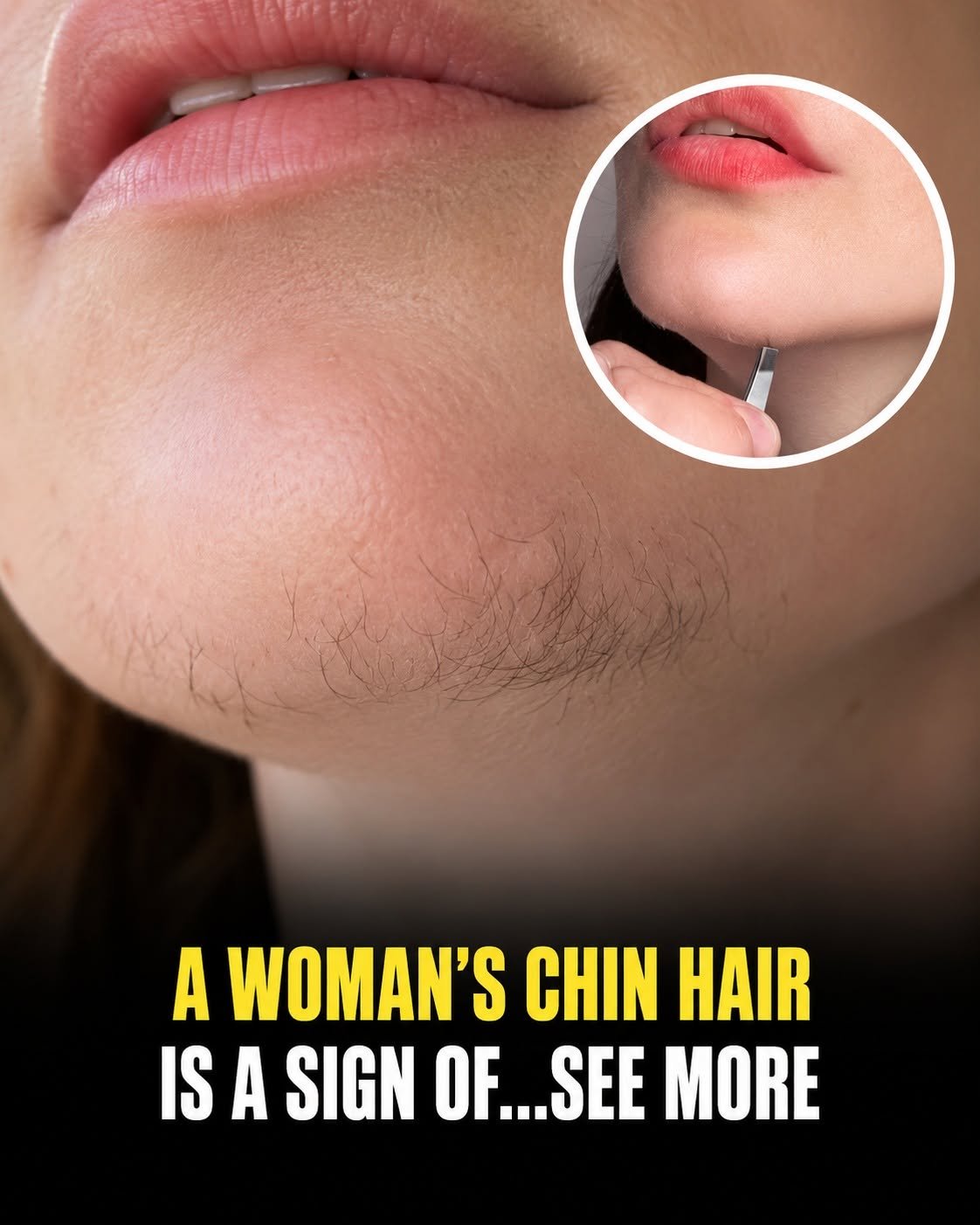
Digital media platforms frequently feature close-up dermatological photography paired with alarmist, cut-off clickbait headlines—such as claiming that a woman’s chin hair or facial hair is a definitive warning sign of a severe, mysterious health crisis. These viral posts are specifically engineered to provoke aesthetic anxiety, health worries, and rapid online comment sharing rather than providing accurate, evidence-based endocrine or dermatological education.
From a clinical endocrinology and dermatology perspective, excess facial or chin hair growth in women—known clinically as hirsutism—is a common condition often linked to underlying hormonal variations or genetics. The most common underlying medical cause is Polycystic Ovary Syndrome (PCOS), a prevalent endocrine disorder characterized by mild androgen imbalances, irregular menstrual cycles, and metabolic factors such as insulin resistance. Hirsutism can also stem from thyroid fluctuations, adrenal gland variations, medication side effects, or normal hormonal shifts during aging and menopause. While identifying the underlying cause is valuable for overall health management, sensationalized online graphics regularly frame common physiological patterns as immediate health emergencies to maximize digital engagement metrics and ad revenue.
Managing hirsutism and maintaining hormonal health involves consulting medical professionals for proper diagnostic blood panels, exploring evidence-based dermatological hair removal techniques, and relying on clinical guidance rather than alarming internet generalizations. Personal health decisions and endocrine evaluations should always reflect verified diagnostic testing. If you experience sudden or severe facial hair growth alongside menstrual irregularities, skin changes, or metabolic symptoms, consulting a licensed physician, endocrinologist, or dermatologist provides safe, evidence-based direction.
Leave a Reply