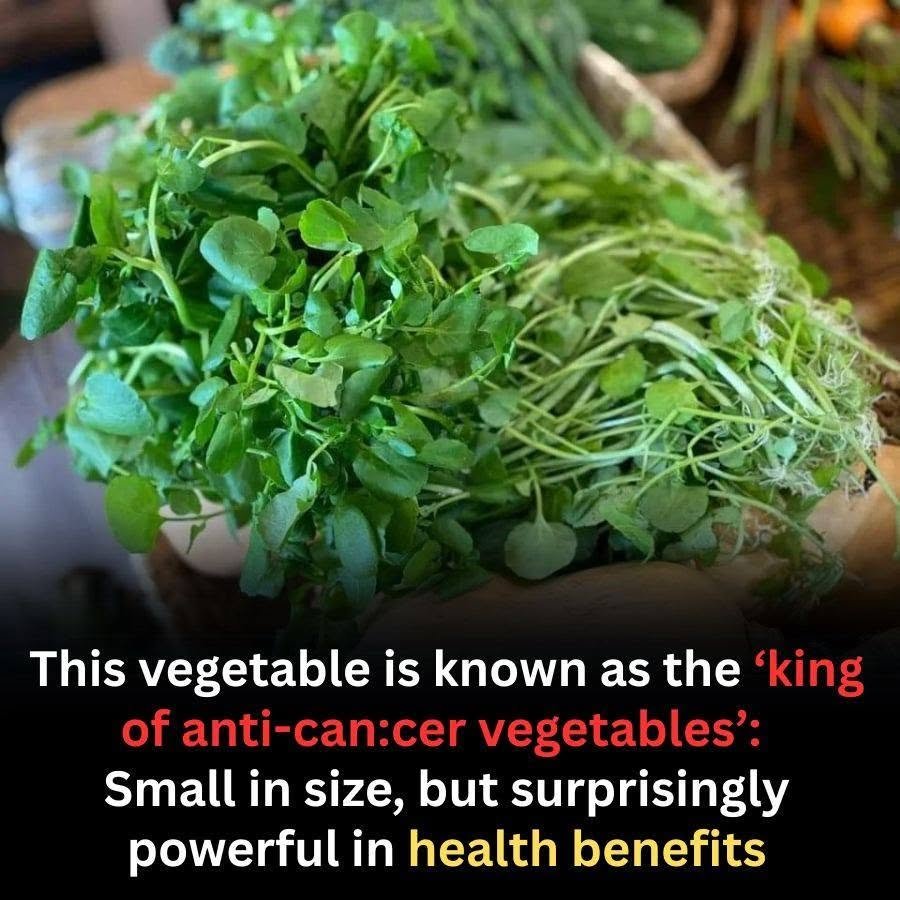
Broccoli sprouts may be tiny, but they contain a naturally occurring compound that has attracted significant scientific attention: sulforaphane. This compound is produced when glucoraphanin in broccoli sprouts is converted during chewing and digestion. The National Cancer Institute notes that sulforaphane and related compounds from cruciferous vegetables have demonstrated potentially protective effects in laboratory and animal research, including pathways involved in protecting cells from DNA damage, reducing inflammation, and processing certain carcinogens. Broccoli sprouts are particularly interesting because they can contain substantially higher concentrations of glucoraphanin than mature broccoli. Research has therefore explored whether incorporating these vegetables into a balanced diet might contribute to long-term health. However, calling broccoli sprouts the definitive “king of anti-cancer foods” goes beyond what current evidence can prove.
Human research is promising but considerably more complicated than viral headlines suggest. Scientists have conducted studies examining broccoli-sprout preparations, sulforaphane, and markers related to cancer prevention. For example, a randomized clinical trial involving 291 participants found that a broccoli-sprout beverage increased urinary elimination of certain airborne pollutants, suggesting that sulforaphane-related compounds can influence detoxification pathways in humans. Other clinical studies have investigated sulforaphane in people with cancer, but results have not established it as a cancer treatment. A trial involving men with recurrent prostate cancer found that the primary endpoint was not achieved, while a small pancreatic-cancer pilot study did not produce statistically significant results and had substantial participant dropout. A systematic review of randomized trials concluded that sulforaphane remains promising but that differences between studies and limited evidence mean stronger clinical research is still needed.
The practical takeaway is that broccoli sprouts can be a nutritious addition to a varied diet, but they should never replace cancer screening, medical treatment, or proven prevention strategies. Cruciferous vegetables such as broccoli, cabbage, cauliflower, kale, and Brussels sprouts provide fiber, vitamins, minerals, and beneficial plant compounds, making variety an important part of a healthy eating pattern. If you enjoy broccoli sprouts, you can include them alongside other vegetables, fruits, whole grains, legumes, nuts, and appropriate protein sources. There is currently no single vegetable that guarantees protection against cancer, and claims that a food can “kill cancer” should be treated cautiously. Disclaimer: This article is for general educational and informational purposes only and does not constitute medical, nutritional, or cancer-treatment advice. Research on broccoli sprouts and sulforaphane is promising but remains under investigation, and laboratory findings should not be interpreted as proof that the food prevents or cures cancer. Always verify health claims through reliable scientific and medical sources and consult a qualified healthcare professional for personalized guidance.
Leave a Reply