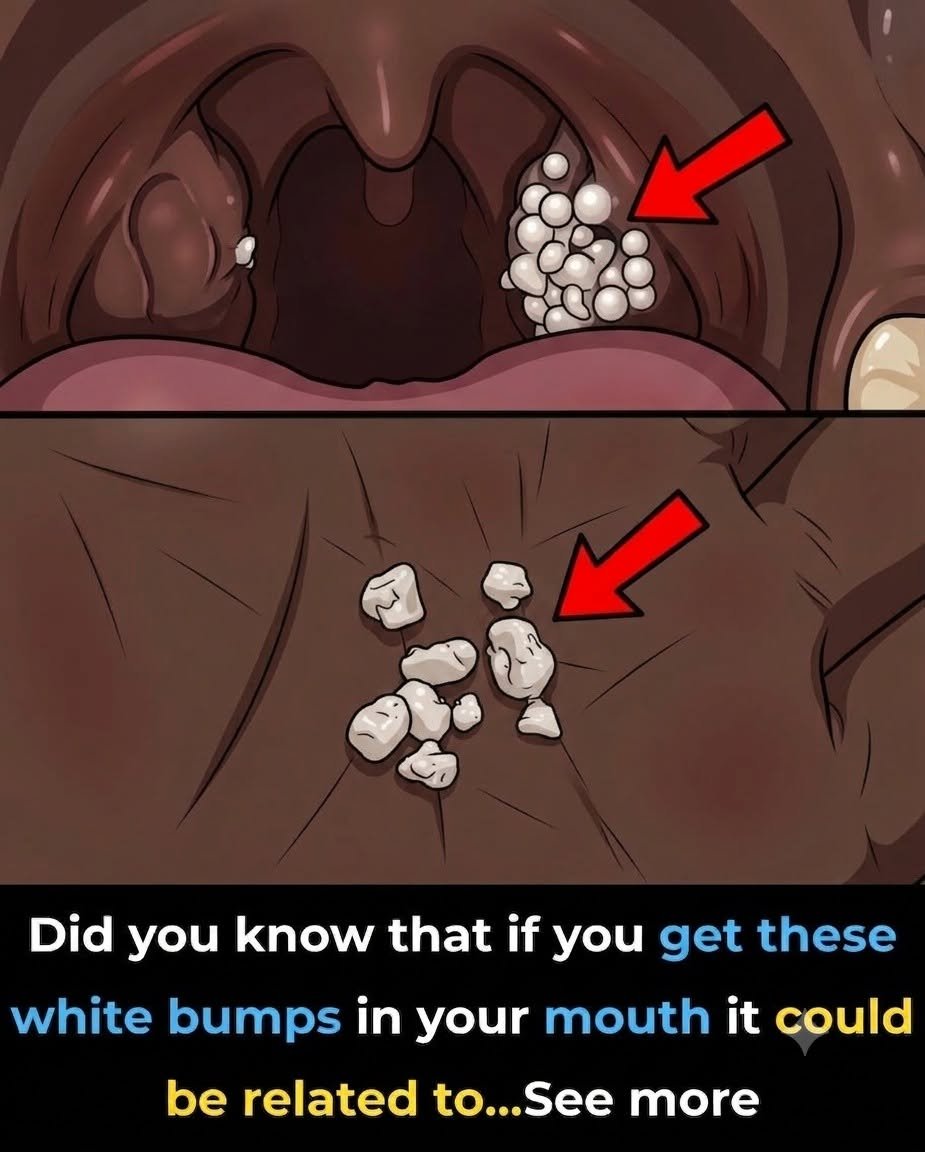
Small changes inside the mouth are often caused by everyday issues such as irritation, dehydration, minor injuries, dental problems, or nutritional deficiencies, but persistent symptoms deserve attention. A mouth ulcer that does not heal, unexplained bleeding, a red or white patch, persistent mouth pain, a new lump, or unusual numbness can sometimes indicate an underlying condition that needs professional evaluation. The NHS advises that a mouth ulcer lasting longer than three weeks, a persistent lump, red or white patch, ongoing pain, or difficulty swallowing or speaking should be checked by a doctor or dentist. These symptoms do not automatically mean cancer; in fact, mouth ulcers and other oral problems are extremely common and usually have less serious causes. The important factor is whether the symptom is unusual for you, continues instead of healing, or becomes progressively worse.
Some mouth symptoms can also provide clues about oral health and general wellness. Bleeding, swollen, red, or painful gums are common signs of gum disease, which can also lead to bad breath, gum recession, loose teeth, and dental abscesses if it progresses. Persistent dry mouth can have several causes, including dehydration, certain medications, mouth breathing, anxiety, or conditions such as diabetes. More concerning oral changes include a sore that refuses to heal, a lump or thickened area, persistent red or white patches, unexplained numbness, difficulty chewing or swallowing, or unexplained weight loss. These features can occur with oral or throat cancers, but they can also result from other diseases or infections. The American Cancer Society emphasizes that persistent symptoms lasting more than a few weeks should be evaluated rather than self-diagnosed.
The best approach is to maintain preventive dental care and pay attention to changes that do not resolve normally. Brush your teeth regularly with fluoride toothpaste, clean between your teeth, maintain routine dental examinations, and avoid tobacco products, which are established risk factors for mouth cancer. If a mouth ulcer lasts more than three weeks, a lump develops, an unexplained red or white patch remains, or pain, bleeding, swallowing difficulties, or numbness persist, arrange an appointment with a dentist or qualified healthcare professional. Early assessment does not mean that a serious disease is present—it simply helps identify the actual cause and ensures that treatment is not unnecessarily delayed. Disclaimer: This article is for general educational and informational purposes only and does not constitute medical advice, diagnosis, or treatment. Mouth symptoms have many possible causes, and the presence of any single symptom does not confirm cancer or another serious disease. Always verify health information through reliable medical and scientific sources and consult a qualified healthcare professional for persistent or concerning symptoms.
Leave a Reply