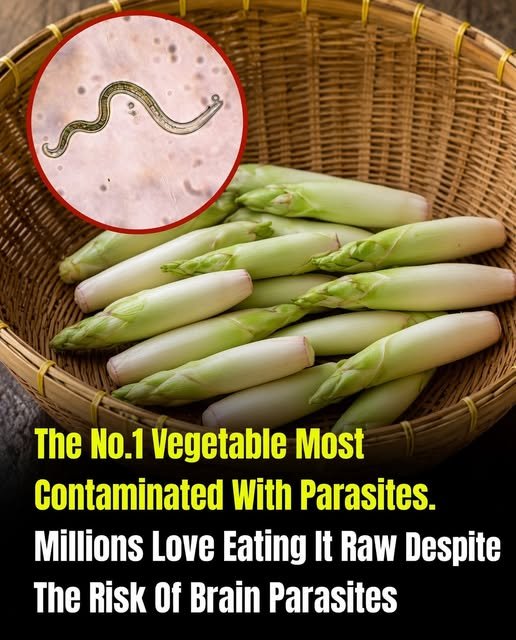
Fresh vegetables are an important part of a balanced diet, but some varieties can have a greater opportunity for contamination when grown in or near contaminated soil or water. Watercress deserves particular attention because it is an aquatic plant and can potentially carry parasites when grown in contaminated water. The Centers for Disease Control and Prevention (CDC) specifically identifies raw aquatic plants such as watercress as a possible source of foodborne parasitic infections. This does not mean that every bunch of watercress contains parasites or that people should stop eating vegetables. Rather, the risk depends heavily on where and how the produce was grown, harvested, transported, and prepared. Research on fresh vegetables has also found parasitic contamination in various leafy greens, demonstrating why proper food hygiene is an important part of protecting consumers.
The concern becomes greater when watercress is eaten raw and comes from an uncertain or contaminated water source. Certain parasites, including liver flukes, can be transmitted through uncooked aquatic plants in areas where the organisms are present. Commercially produced watercress from reputable suppliers may have stronger food-safety controls, but consumers should still handle fresh produce carefully. The FDA recommends washing fruits and vegetables thoroughly under running water, removing damaged portions, and keeping perishable produce properly refrigerated. Washing can reduce contamination but does not guarantee that every parasite or pathogen will be removed. For higher-risk aquatic vegetables, cooking is a more cautious option, particularly when the source is unknown. People should also avoid assuming that vinegar, salt, or household cleaning products can make contaminated produce completely safe.
The bigger lesson is that healthy eating and food safety should go together. You do not need to eliminate watercress, lettuce, spinach, herbs, or other fresh vegetables from your diet simply because contamination is possible. Instead, purchase produce from reliable sources, keep it refrigerated, wash it properly before eating, and consider cooking aquatic plants when their growing conditions or origin are uncertain. The CDC also recommends thoroughly washing fruits and vegetables under running water before eating, cutting, or cooking them. If someone develops persistent digestive symptoms after eating potentially contaminated food, they should seek advice from a qualified healthcare professional rather than attempting self-diagnosis. Disclaimer: This article is intended for general educational and informational purposes only and does not constitute medical advice, diagnosis, or treatment. The statement that one vegetable is “most likely” to carry parasites is an oversimplification; contamination varies by location, production method, water quality, and handling. Some information may be general or unauthenticated, so important health and food-safety claims should always be verified through reliable sources and qualified professionals.
Leave a Reply