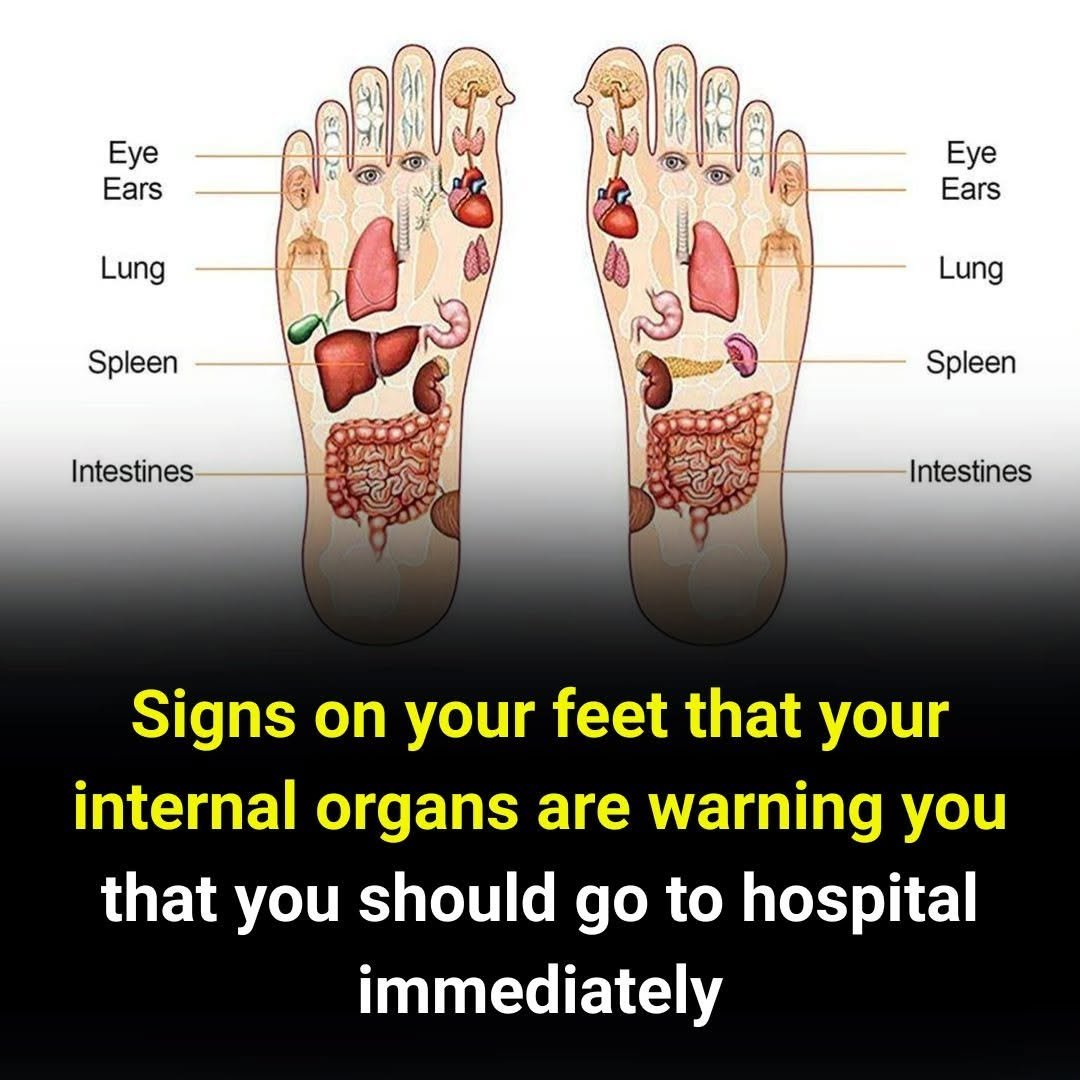
Some health problems can begin with symptoms that seem ordinary or easy to dismiss. Feeling unusually tired, experiencing recurring headaches, losing weight without trying, noticing a persistent cough, having unexplained changes in bowel or bladder habits, or developing a new lump can all have many possible causes. In most cases, these symptoms do not automatically mean something serious. However, the National Cancer Institute recommends discussing symptoms that persist, worsen, or do not improve with a healthcare professional because similar symptoms can sometimes occur with underlying medical conditions. (cancer.gov) The key is to recognize when a change is unusual for you, especially when there is no obvious explanation.
Pay particular attention when a symptom is persistent, recurrent, progressively worsening, or accompanied by other changes. For example, unexplained bleeding, a new or growing lump, difficulty swallowing, persistent indigestion, a cough that does not go away, unexplained weight loss, or a skin lesion that changes may deserve medical evaluation. (cancer.gov) Other everyday symptoms can also have important causes: frequent thirst and urination may warrant evaluation for blood-sugar problems, while repeated nighttime breathing interruptions or loud snoring may be associated with sleep apnea. (cdc.gov) Rather than searching for a single diagnosis online, keep track of when symptoms began, how often they occur, and whether anything makes them better or worse. This information can help a healthcare professional determine whether testing is necessary.
Most importantly, don’t panic—but don’t repeatedly ignore something that your body keeps signaling. Sudden severe chest pain, serious difficulty breathing, fainting, seizures, sudden weakness or numbness, confusion, or an abrupt extremely severe headache can require emergency medical attention. For less urgent symptoms, arrange a medical appointment if they persist for several weeks, interfere with normal activities, or continue to worsen. Early evaluation does not mean you have a serious disease; it simply gives you an opportunity to identify the real cause and receive appropriate care when needed. Disclaimer: This article is for general educational and health information only and does not constitute medical diagnosis, treatment, or personalized medical advice. Simple symptoms often have harmless explanations, but persistent or unexplained changes should not be self-diagnosed. Always verify health information through reliable medical sources and consult a qualified healthcare professional about concerning symptoms.
Leave a Reply