Blog

  • Deconstructing Celebrity Death Clickbait: David Bradley

    Deconstructing Celebrity Death Clickbait: David Bradley

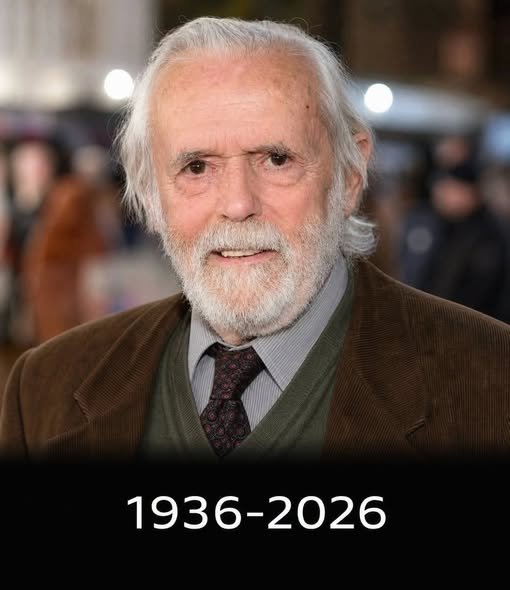
    The image shows acclaimed British actor David Bradley, overlaid with the years “1936–2026.” This is an engagement-baiting hoax graphic designed to trick fans into believing a well-known actor has passed away.

    The Reality Behind the Graphic

    • Fabricated Birth Year: The graphic claims a birth year of 1936, but David Bradley was born on April 17, 1942 in York, England.
    • Death Hoax: David Bradley is alive. Content farms regularly add fake birth/death years to images of living older actors to provoke panic and shock.
    • Celebrated Career: Bradley is widely recognized for his roles as caretaker Argus Filch in the Harry Potter franchise, Lord Walder Frey in Game of Thrones, the First Doctor in Doctor Who, and Abraham Setrakian in The Strain.
    • The Algorithmic Strategy: Content creators post sensationalized headlines (“With Heavy Hearts…”) paired with misleading memorial images to drive panicked searches, comments, and shares, boosting platform engagement for monetization.

  • Deconstructing Puzzle Clickbait: The “Spot the Difference” Engagement Trap

    Deconstructing Puzzle Clickbait: The “Spot the Difference” Engagement Trap

    This image displays two side-by-side illustrations of a father holding a baby, overlaid with text asserting, “There’s only ONE DIFFERENCE… CAN YOU FIND IT? ONLY PEOPLE WITH AN EXTRAORDINARY IQ CAN SPOT IT ON THE FIRST TRY!” This is an engagement-baiting optical puzzle template engineered to exploit vanity and frustration to manipulate platform algorithms.

    The Reality Behind the Graphic

    • The Non-Existent Difference: In many variations of these templates—including this exact vector graphic—the two side-by-side illustrations are digitally duplicated pixel-for-pixel identical. There is frequently no actual difference between the left and right sides.
    • Ego-Baiting & Vanity Framing: Framing a simple visual task as a measure of “extraordinary IQ” leverages flattery and competitiveness. Viewers are tricked into staring at identical graphics for extended periods, trying to prove their intelligence.
    • The Comment Section Trap: Because users cannot find a difference, they flock to the comments section to ask for the answer, argue over non-existent details (e.g., “the hair,” “the shirt sleeve”), or call out the image as a trick.
    • Algorithmic Manipulation: Social media algorithms interpret long image dwell times and heavy comment section debate as proof of high-value, engaging content. This artificially boosts the post into broader user feeds, allowing the host page to farm views, gain followers, and drive traffic to monetized links.
  • Deconstructing Curiosity Clickbait: The “7 Kilo Baby of 1983” Trap

    Deconstructing Curiosity Clickbait: The “7 Kilo Baby of 1983” Trap

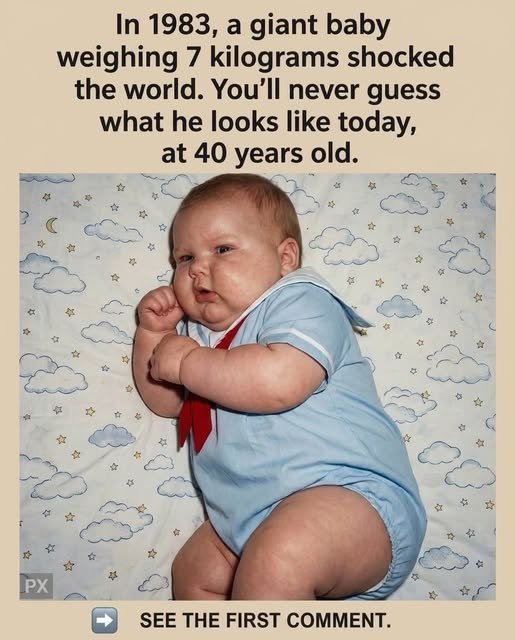
    The image depicts a large infant in a sailor outfit alongside text claiming, “In 1983, a giant baby weighing 7 kilograms shocked the world. You’ll never guess what he looks like today, at 40 years old.” This graphic represents a classic curiosity-gap engagement template designed to monetize internet users by dangling fake updates about historical news figures.

    The Historical Reality vs. The Clickbait Structure

    • The Historical Basis: The post references the real-life birth of Kevin Robert Clark, born on April 8, 1983, in New Jersey. He weighed 16 pounds, 6 ounces (approx. 7.4 kg) at birth, attracting widespread national media coverage on programs like Good Morning America and Saturday Night Live. As an adult, he grew to be 6 feet 9 inches tall.
    • The “First Comment” Funnel: The phrase “SEE THE FIRST COMMENT” paired with the open-ended “You’ll never guess” statement is a calculated call-to-action. Content networks withhold the ending of the story to force users to open the comment section or click external links.
    • Algorithmic Monetization: Content farms regularly publish archived medical curiosities or record-breaking birth stories. When users open the post to search for a modern photo or comment out of curiosity, the spike in engagement signals platform algorithms to distribute the post further, driving user traffic to ad-heavy landing pages.
  • Deconstructing Nostalgia Clickbait: The Synthetic ’80s Heartthrob

    Deconstructing Nostalgia Clickbait: The Synthetic ’80s Heartthrob

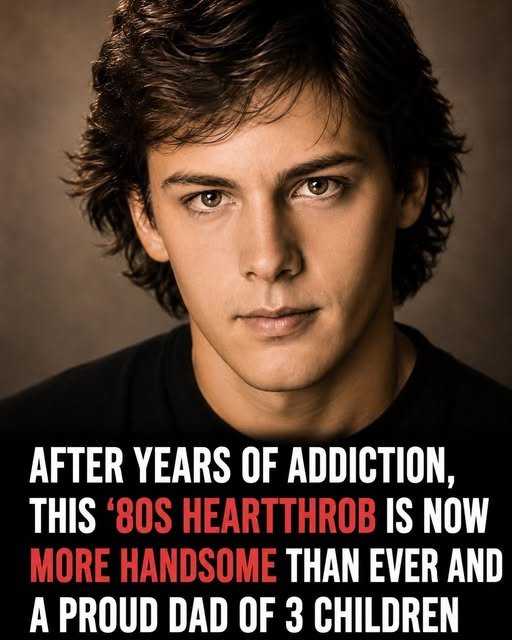
    The image displays a headshot of a young man accompanied by text claiming, “After years of addiction, this ’80s heartthrob is now more handsome than ever and a proud dad of 3 children.” This graphic is an AI-generated clickbait fabrication designed to exploit public nostalgia and emotional interest in former child stars to manipulate digital platform engagement.

    The core tactic relies on manufacturing a dramatic narrative around a completely synthetic, computer-generated face. The image does not portray a real actor from 1980s cinema, but rather an AI-rendered portrait engineered to resemble popular teen stars of that era. By pairing this fictional portrait with vague, emotionally resonant phrases like “private battle” and “transformation,” the post creates a artificial curiosity gap. Readers are provoked to search through their memories or comment to ask for the individual’s name, unaware that no historical actor corresponds to the face shown.

    These social media templates operate as automated content farms designed to boost algorithmic distribution. When users leave comments attempting to identify the actor or offering supportive messages regarding addiction recovery, the surge in activity signals high engagement to platform algorithms. Publishers monetize this artificial reach by directing users through pinned comments or bio links to ad-heavy websites, affiliate marketing pages, and monetized digital storefronts.

  • Deconstructing Traffic Sign Clickbait: The “Blue Stop Sign” Myth

    Deconstructing Traffic Sign Clickbait: The “Blue Stop Sign” Myth

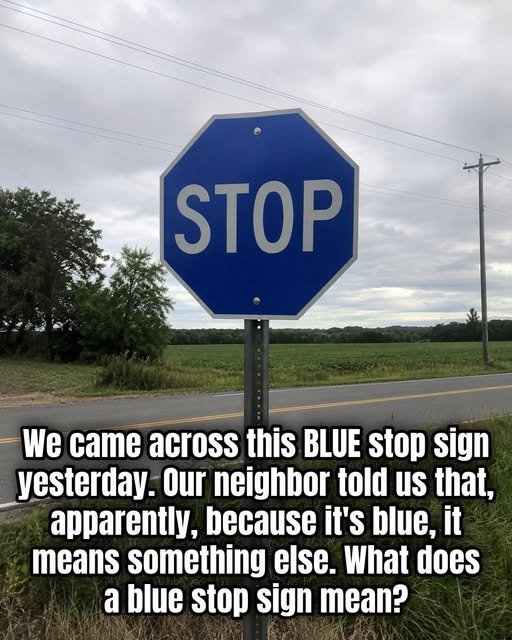
    The image displays an octagonal blue traffic sign containing the word “STOP,” accompanied by text asking what a blue stop sign means. This image is an edited clickbait photo graphic designed to generate fake curiosity and exploit social media algorithms through false legal claims.

    The core mechanics rely on fabricating an urban legend around traffic regulation to spark debate. Standard traffic control manuals worldwide specify that regulatory stop signs must be solid red with white lettering. Blue octagonal stop signs do not exist as legally binding traffic markers. A blue color palette on road signs is reserved exclusively for motorist services, informational guidance, or private novelty displays. The primary cause for these viral images is digital image manipulation— hue shifts applied to standard red stop signs—or novelty signs installed on private land where municipal traffic codes do not apply.

    Publishers use these curiosity-driven prompts to exploit social media platform algorithms. When users leave comments explaining basic traffic laws, debating state regulations, or alleging secret legal exemptions, the high comment volume signals engagement to the platform. This metric surge boosts post visibility, allowing content farms to drive traffic to external websites and monetize ad impressions.

  • Scott Bryce (1958–2026)

    Scott Bryce (1958–2026)

    This memorial photo honors actor Scott Bryce, who passed away on July 12, 2026, at age 68 following a battle with cancer.

    Key Career Highlights

    • Daytime Television: Best known for originating the role of the charismatic antihero Craig Montgomery on CBS’s As the World Turns, a role he played across several decades (1982–1991, 1993–1994, 2007–2008). His performance earned him two Daytime Emmy Award nominations for Outstanding Lead Actor.
    • Primetime & Film: Appeared in prominent roles across major series, including Murphy Brown, The Facts of Life, Popular, Sex and the City, Blue Bloods, and The Blacklist, as well as feature films like Lethal Weapon 3.
  • Deconstructing Celebrity Hoax Clickbait: The Anonymous Death Announcement

    Deconstructing Celebrity Hoax Clickbait: The Anonymous Death Announcement

    The graphic presents a generic “Breaking News” template proclaiming the death of a “beloved star” following a battle with Parkinson’s disease, withholding the individual’s identity under the pretext of “privacy reasons.” This image represents an archetypal clickbait engagement trap engineered to exploit public sympathy and curiosity for algorithmic manipulation.

    The operational strategy relies on emotional leverage and deliberate ambiguity to force user interaction. By keeping the subject anonymous while invoking a serious illness, the post creates a severe curiosity gap that entices users to investigate. Claims of withholding a name for “privacy reasons” while simultaneously promising “the full story in the comments” serve as a contradiction designed solely to bypass initial platform filters. In reality, legitimate news outlets publish identified, verified obituaries immediately rather than funneling readers into comment sections through vague, emotionally charged prompts.

    These campaigns operate as high-volume monetization engines for spam networks and content farms. Directing traffic to the comment section or external links drives up engagement metrics, tricking social media algorithms into giving the post broader distribution. Once users click the links provided in the comments, they are redirected to ad-heavy websites, affiliate marketing landing pages, or malicious domains, generating ad impressions and digital revenue through deceptive click-farming practices.

  • Deconstructing Health Clickbait: The Underwear Hygiene Engagement Trap

    Deconstructing Health Clickbait: The Underwear Hygiene Engagement Trap

    The image features underwear drying on a clothesline accompanied by the sensationalized text, “How often you should change your underwear, according to doctor.” This graphic represents a classic clickbait engagement template designed to exploit everyday personal habits to drive digital traffic and platform revenue.

    The core mechanism of this graphic relies on manufacturing a artificial “debate” around universally understood personal hygiene routines. By appealing to basic curiosity and health-related anxiety, content creators present straightforward medical advice as a hidden secret or controversial subject. Dermatologists and medical professionals unanimously recommend changing undergarments daily—or immediately following physical exercise—to prevent bacterial accumulation, moisture buildup, and skin irritation. Claiming that this simple practice is a matter of ongoing debate is a deliberate tactic to lure users into the comment section to state the obvious, which rapidly artificially inflates the post’s metrics.

    These social media templates leverage automated algorithms by farming high volumes of user engagement. When individuals leave comments or share the graphic to express disbelief or confirm basic hygiene standards, social media algorithms register the activity as high-value content, increasing its reach across user feeds. This system allows publisher channels to monetize basic, repackaged medical information through ad impressions and link-click conversion strategies without offering substantive value.

  • Deconstructing Nostalgia Clickbait: The Clip-On Earring Engagement Trap

    Deconstructing Nostalgia Clickbait: The Clip-On Earring Engagement Trap

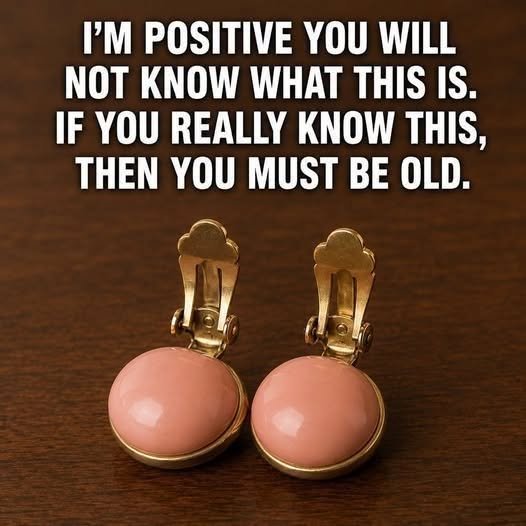
    The image displays a pair of vintage clip-on earrings overlaid with text claiming “I’m positive you will not know what this is. If you really know this, then you must be old.”

    Analyzing the Engagement Strategy

    • The Fake Nostalgia Challenge: Clip-on earrings—invented in the early 20th century and widely popular throughout the 1950s through the 1990s—are universally recognized objects. The claim that younger audiences will fail to identify everyday jewelry is a manufactured challenge designed to provoke readers.
    • The Ego-Driven Response Trap: By directly insulting or challenging the viewer’s age and memory (“You must be old” or “You won’t know this”), the meme incentivizes users to comment defensively. People react by naming the object, sharing personal anecdotes, or tagged family members to prove the image wrong.
    • Algorithmic Manipulation: Content creation pages rely on simple, highly recognizable household artifacts or nostalgic items (such as cassette tapes, rotary phones, or clip-on earrings) to farm comments. High comment volume signals high engagement to platform algorithms, artificially boosting page reach and digital ad revenues.
  • This is an antique veterinary mouth gag (or drenching bit) made by Dr. LeGear’s Stock Remedies out of St. Louis, Missouri.

    This is an antique veterinary mouth gag (or drenching bit) made by Dr. LeGear’s Stock Remedies out of St. Louis, Missouri.

    It was an essential farming tool used in the late 19th and early 20th centuries to safely treat livestock—primarily horses and cattle.

    How It Worked

    • Mouth Speculum / Gag: The heavy cast-iron frame was placed in the animal’s mouth, and the leather strap buckled securely behind the ears/poll to keep the bit in place.
    • Administering Doses & Pills: The hollow cone/funnel section on the bottom allowed farmers or veterinarians to pour liquid medicine (“drenches”), insert large bolus pills, or pass a stomach tube safely down the animal’s throat without the risk of getting bitten.
    • Dental Inspection: It was also used to hold the animal’s jaw propped open to inspect teeth or remove lodged food/foreign objects.

    Dr. L.D. LeGear was a prominent veterinary surgeon in the early 1900s who built a massive livestock medicine business out of St. Louis, producing everything from wormers to specialized drenching tools like this one.