
Blog

  • How to Check if Honey Is Real or Fake

    How to Check if Honey Is Real or Fake

    With honey products ranging from raw and minimally processed honey to blended and flavored products, it can be difficult to judge authenticity simply by looking at a jar. Many viral “home tests” claim you can identify pure honey using water, a match, a thumb test, or whether honey crystallizes, but these methods are not reliable ways to prove authenticity. The National Honey Board explains that crystallization is a natural process and does not indicate that honey is fake; almost all natural honey can eventually crystallize depending on its floral source and storage conditions. (honey.com) Likewise, color, thickness, aroma, and taste can vary naturally between different types of honey. Genuine honey can range from very light to dark and can have different textures and flavors depending on the flowers from which bees collected nectar.

    One of the most important things to understand is that a home test cannot reliably determine whether honey has been adulterated with inexpensive sweeteners. The water test, for example, may show how quickly a particular honey dissolves, but that depends on moisture content, temperature, viscosity, and other characteristics—not simply whether it is authentic. The same applies to the flame or match test: honey’s moisture content can influence whether it burns, but this is not a scientifically dependable authentication method. Professional laboratories can use analytical techniques such as isotope-ratio analysis and other chemical testing to investigate whether honey contains added sugars or syrups. (fao.org) Therefore, an internet video demonstrating a simple kitchen experiment should not be treated as definitive evidence that a particular jar is genuine or fake.

    For consumers, the safest approach is to buy honey from reputable producers, inspect the label carefully, and look for clear information about the product’s origin and ingredients. A product labeled simply as honey should not contain undisclosed added sweeteners, while products marketed as blends may have different compositions depending on local labeling regulations. If you suspect serious adulteration, laboratory testing is much more dependable than attempting several viral kitchen tricks. Also remember that crystallized honey has not necessarily spoiled—it can often be returned to a liquid state by gently warming the container in warm water. (honey.com) Disclaimer: This article is for general educational and food-information purposes only and does not guarantee the authenticity of any particular honey product. Home tests such as water, flame, or thumb tests cannot reliably prove whether honey is pure or adulterated. Always verify product authenticity through reputable suppliers, accurate labeling, and, when necessary, appropriate laboratory analysis.
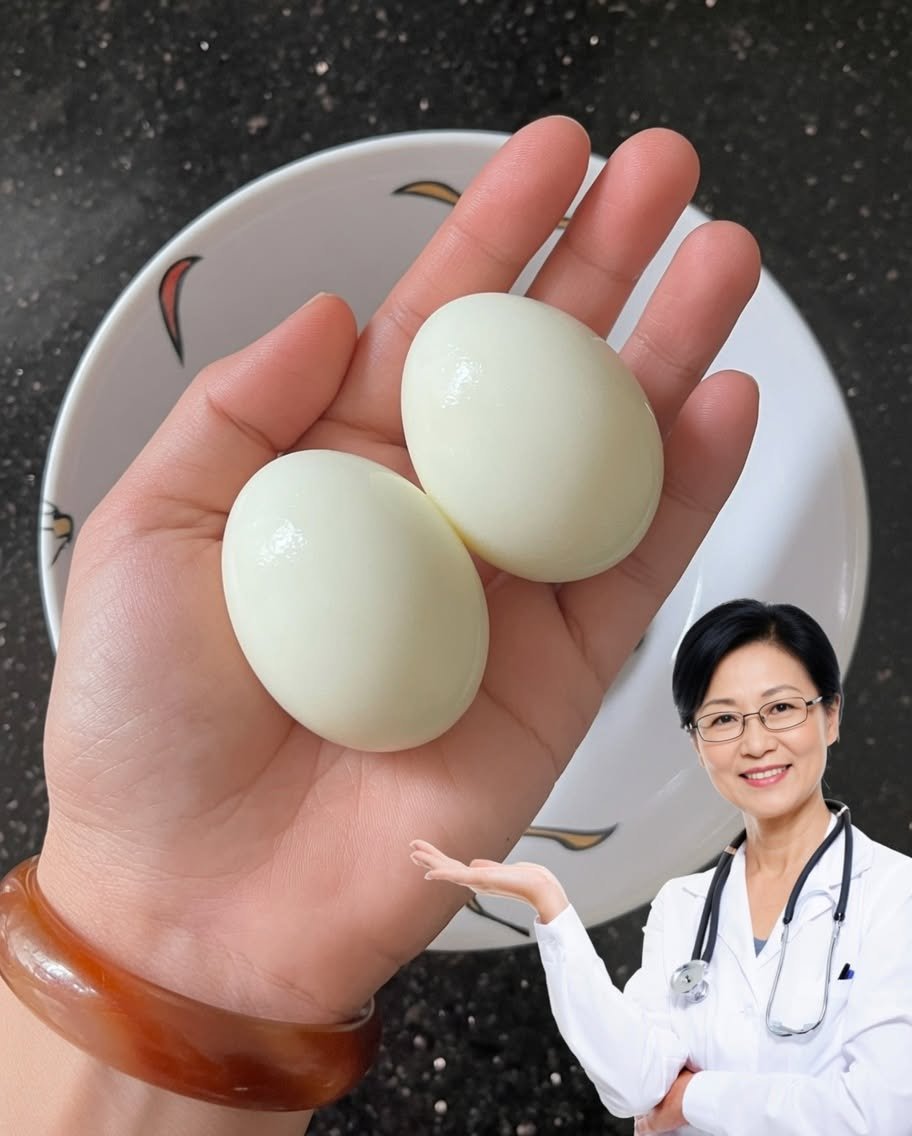

  • Start Your Day With Boiled Eggs? Your Body May Thank You in These 5 Ways

    Start Your Day With Boiled Eggs? Your Body May Thank You in These 5 Ways

    Starting the morning with a boiled egg can be a simple way to add high-quality protein and important micronutrients to your breakfast. One large egg provides roughly 6 grams of protein and contains nutrients including choline, vitamin B12, selenium, riboflavin, and vitamin D. (usda.gov) The first potential benefit is improved satiety: protein-rich foods can help you feel full for longer, which may make it easier to manage overall food intake. Second, eggs provide choline, a nutrient involved in normal brain function, cell structure, and neurotransmitter production. (ods.od.nih.gov) Third, their protein supports the maintenance of muscles and other body tissues. These benefits make boiled eggs a convenient breakfast option, particularly when paired with vegetables, whole grains, or fruit rather than eaten as part of a highly processed meal.

    A fourth potential benefit is that eggs can contribute to nutrient intake while remaining relatively low in carbohydrates. This can be useful for people trying to build a balanced breakfast around protein and nutrient-rich foods. The fifth is convenience: boiled eggs can be prepared in advance and combined with other foods for a quick meal, making it easier to maintain a consistent eating routine. However, eggs should not be presented as a miracle food. Their nutritional value is best understood as part of an overall dietary pattern. For cardiovascular health, the American Heart Association emphasizes the importance of the entire diet, particularly the balance between unsaturated and saturated fats, rather than focusing on a single food. (heart.org) How eggs affect blood cholesterol can also vary between individuals, so people with elevated LDL cholesterol or specific cardiovascular conditions may benefit from personalized dietary advice.

    For a more balanced breakfast, pair a boiled egg with vegetables, fruit, whole grains, beans, or other minimally processed foods. Boiling is also a straightforward preparation method because it does not require added butter or cooking oil. Food safety matters too: eggs should be cooked until both the whites and yolks are firm, and cooked eggs should be refrigerated promptly rather than left at room temperature for extended periods. (fda.gov) If you have an egg allergy, certain medical conditions, or specific dietary restrictions, your ideal intake may be different. Disclaimer: This article is for general educational and nutritional information only and does not constitute medical advice, diagnosis, or treatment. Eggs can provide valuable nutrients, but eating them does not guarantee better health or prevent disease. Always verify nutrition claims through reliable scientific and medical sources and consult a qualified healthcare professional for personalized dietary guidance.

  • A Mother’s Final Request to Her Son

    A Mother’s Final Request to Her Son

    A son placed his elderly mother in a nursing home, promising himself that he would visit her whenever he could. Although he did come from time to time, the visits became less frequent as life, work, and responsibilities took over. One day, the nursing home called and told him that his mother was not feeling well. He immediately went to see her. When he entered the room, he found his mother weak and resting quietly. Seeing her condition filled him with regret, and with tears in his eyes, he held her hand and asked, “Mother, is there anything I can do for you?” He expected her to ask for medicine, better food, or perhaps something to make her more comfortable. Instead, her answer was something he never expected.

    The mother looked at her son and gently said, “Yes, my son. Please check the comments.” The son was confused. He looked at her, wondering what she meant. Then he realized that the message was not really about medicine or material things. It was about all the moments he had missed—the conversations they could have shared, the meals they could have eaten together, and the simple afternoons when she only wanted her son nearby. Sometimes elderly parents do not need expensive gifts or grand gestures. They need time, attention, affection, and the reassurance that they have not been forgotten. The mother’s words became a powerful reminder that love is often expressed through the smallest things: sitting beside someone, listening to their stories, holding their hand, or simply saying, “I’m here with you.”

    The story carries a simple but emotional lesson: do not wait until someone is seriously ill to show them how much they mean to you. Parents grow older quietly, and the day may come when the opportunities to spend time with them are gone. If your parents are still with you, call them, visit them, ask how they are feeling, and give them your undivided attention. Money can buy comfort, but it cannot buy back time. The most meaningful gift you can give someone you love is often your presence. Sometimes, the person who raised you does not need anything from you except a few minutes of your day and the knowledge that they still matter. Disclaimer: This is a sentimental story intended for reflection and may be a fictional or adapted social-media narrative rather than a verified real-life event. Always verify emotionally charged stories before treating them as factual.

  • Can Putting Something in a Lemon Really Make Mosquitoes Leave Your Home?

    Can Putting Something in a Lemon Really Make Mosquitoes Leave Your Home?

    A popular home remedy claims that mosquitoes are extremely afraid of a particular ingredient placed inside a lemon and left in a corner of the house. These viral recipes often involve cloves, herbs, or essential oils because certain plant aromas may have some mosquito-repellent properties. However, the claim that a lemon-and-clove arrangement will make mosquitoes permanently leave a house is not supported by strong evidence. The CDC specifically notes that the effectiveness of many non-registered natural mosquito repellents is uncertain and recommends proven, EPA-registered repellents when protection from mosquito bites is important. A lemon sitting in a room may smell unpleasant to some insects, but that does not mean it eliminates mosquitoes or prevents them from returning.

    If you want to reduce mosquitoes inside your home, removing their breeding opportunities is much more important than relying on a scented fruit. Mosquitoes can reproduce in surprisingly small amounts of standing water, including water in plant saucers, buckets, containers, discarded items, and other household objects. The CDC recommends emptying and scrubbing water-holding containers at least once a week, keeping water-storage containers tightly covered, repairing window and door screens, and using air conditioning when available. If mosquitoes remain indoors despite these measures, an appropriate indoor insecticide may help when used exactly according to its label. For personal protection, products containing ingredients such as DEET, picaridin, IR3535, or oil of lemon eucalyptus/PMD have been evaluated for effectiveness and safety when used as directed.

    That doesn’t mean you cannot try a lemon-and-clove arrangement as a simple household fragrance, but it should not replace reliable mosquito-control measures—especially in areas where mosquitoes can transmit diseases such as dengue, malaria, chikungunya, or other infections. Claims that mosquitoes will “leave and never come back” are particularly misleading because mosquitoes can continue entering from outdoors or breeding around the home. EPA explains that registered spatial repellents, including certain candles, coils, and diffusers, have specific instructions and coverage limitations, so products should always be used according to their labels. Disclaimer: This article is for general educational and informational purposes only and does not guarantee that lemon, cloves, or any homemade remedy will repel or eliminate mosquitoes. Natural remedies may have limited or uncertain effectiveness. Always verify mosquito-control claims through reliable scientific and public-health sources and use proven protective measures when mosquito-borne disease is a concern.

  • What Used to Be Pig Feed Suddenly Turned Into “Green Gold,” Priced at 1 Million/kg but Still “Sold Out”

    What Used to Be Pig Feed Suddenly Turned Into “Green Gold,” Priced at 1 Million/kg but Still “Sold Out”

    A plant once considered little more than livestock feed has reportedly gained a surprising reputation as “green gold,” with online claims describing prices reaching around 1 million per kilogram and demand supposedly exceeding supply. The headline appears to refer to a specific viral story circulating online, but the available search results do not provide enough reliable evidence to confirm the exact product, the stated price, or the claim that it was universally “sold out.” This is an important distinction because agricultural products can experience dramatic price differences depending on variety, location, processing, season, quality, and whether the quoted figure refers to fresh produce, dried material, seeds, extracts, or another specialized form. A striking price in a social-media post should therefore be treated as a claim rather than established market data.

    The transformation from an overlooked crop to a high-value agricultural commodity is not impossible. Foods and plants can become commercially valuable when researchers identify desirable nutrients, functional ingredients, cosmetic applications, medicinal research potential, or opportunities for premium food products. Demand can also rise when a crop becomes fashionable or is promoted as a specialty ingredient. However, high market value does not automatically mean extraordinary health benefits. A plant being described as “superfood,” “green gold,” or a traditional remedy does not prove that it can prevent disease or replace established medical treatment. Similarly, the fact that something was historically used as animal feed does not necessarily mean it is unsafe for humans, but it also does not establish that every variety or preparation is suitable for human consumption.

    Before believing a claim about an unusually expensive vegetable or plant, consumers should check the exact species, scientific name, geographic market, grade, form, and verified wholesale or retail price. These details can completely change the meaning of a headline. If the product is being promoted as a health supplement or medicinal ingredient, buyers should also look for credible evidence from scientific publications and recognized food-safety authorities rather than relying solely on viral posts. The available search results confirm that this headline has circulated online, but they do not independently substantiate all of its dramatic claims. Disclaimer: This article is for general informational purposes only. The “1 million/kg,” “green gold,” and “sold out” claims should not be treated as verified market facts without reliable, location-specific evidence. Always verify agricultural prices, product identity, food safety, and health claims through trustworthy sources before purchasing or consuming an unfamiliar plant.

  • Before You Eat This Bitter Vegetable, Make Sure You Know This Important Safety Tip

    Before You Eat This Bitter Vegetable, Make Sure You Know This Important Safety Tip

    Bitter vegetables can be nutritious, but an unusually bitter taste should never automatically be dismissed as normal. One important example is bitter gourd, also called bitter melon (Momordica charantia), which is commonly used in South Asian and Asian cooking. Bitter melon contains naturally occurring compounds that have been studied for possible effects on blood sugar, although evidence is not strong enough to consider it a treatment for diabetes. The important safety point is that bitterness can sometimes indicate unusually high levels of naturally occurring plant compounds. The FDA notes that some foods can contain natural toxins and that appropriate growing, harvesting, and preparation practices are important for food safety. Therefore, don’t assume that “more bitter” means “more healthy.”

    If a vegetable tastes dramatically or unusually bitter compared with what you normally expect, the safest approach is to stop eating it rather than trying to mask the taste with spices or cooking. This is particularly important with certain members of the cucumber and squash family, where excessive natural compounds such as cucurbitacins can cause gastrointestinal poisoning. Severe cases involving extremely bitter bottle gourd have produced rapid nausea, vomiting, diarrhea, gastrointestinal bleeding, and low blood pressure. Bitter melon itself also deserves caution in certain situations. Concentrated extracts can lower blood glucose, potentially causing dangerously low blood sugar when combined with diabetes medications or insulin. Pregnant people should avoid medicinal or concentrated bitter-melon preparations because safety concerns have been reported. Seeds and concentrated preparations may carry additional risks, so consuming large amounts as a homemade remedy is not the same as eating a normal cooked serving as food.

    For everyday cooking, choose fresh, properly prepared vegetables from reliable sources, and don’t consume a vegetable that has an unusually intense, unpleasant bitterness. Wash produce appropriately and follow normal food-safety practices. If you accidentally eat a very bitter vegetable and soon develop repeated vomiting, severe diarrhea, abdominal pain, dizziness, weakness, faintness, or blood in vomit or stool, seek urgent medical attention rather than attempting to treat the reaction at home. Most bitter vegetables that are properly grown and prepared are perfectly suitable for a balanced diet, so there is no need to fear bitterness itself. The key is recognizing an unexpected and extreme change in taste and taking it seriously. Disclaimer: This article is for general educational and food-safety information only and does not constitute medical advice, diagnosis, or treatment. The safety of a particular vegetable depends on its species, variety, preparation, and condition. Always verify food-safety information through reliable scientific and government sources and consult a qualified healthcare professional if you develop concerning symptoms after eating an unusually bitter food.

  • 4 Groups of People Who May Need to Limit or Avoid Eggplant

    4 Groups of People Who May Need to Limit or Avoid Eggplant

    Eggplant is generally a nutritious vegetable and most people do not need to avoid it. It provides fiber and several vitamins and minerals while being relatively low in calories. However, certain people may need individualized dietary advice. The first group is people with a confirmed eggplant allergy or sensitivity. Although uncommon, food allergies can cause symptoms such as itching, hives, swelling, digestive problems, wheezing, or difficulty breathing. Anyone who develops serious allergic symptoms after eating eggplant should seek urgent medical attention. The second group is people who have been specifically advised by a healthcare professional to avoid certain nightshade vegetables because of an individual intolerance. Eggplant belongs to the nightshade family, along with tomatoes, peppers, and potatoes, but there is not good evidence that nightshades generally need to be avoided by healthy people.

    The third group is people following a medically prescribed diet for a specific condition. Importantly, eggplant is actually listed by the National Kidney Foundation as a lower-potassium vegetable, so it is not automatically a food that people with kidney disease must avoid. (kidney.org) Kidney patients may have different potassium requirements depending on their kidney function and blood-potassium levels, meaning dietary restrictions should be individualized rather than based on viral food lists. (kidney.org) The fourth group is people taking medications or managing conditions that require a carefully controlled diet. Rather than automatically eliminating eggplant, these individuals should ask their doctor or dietitian whether the portion size and preparation method fit their treatment plan. People taking warfarin, for example, are generally advised to keep their intake of vitamin-K-containing foods consistent rather than making sudden major dietary changes. (medlineplus.gov)

    For most healthy adults, there is no strong medical reason to completely avoid eggplant. It can be baked, grilled, steamed, or incorporated into balanced meals with vegetables, legumes, whole grains, and appropriate protein. The preparation method matters: heavily frying eggplant can substantially increase the amount of oil and calories in the finished dish. Instead of believing that eggplant is inherently harmful, focus on portion size, preparation, and your individual health needs. If you repeatedly experience digestive discomfort, itching, swelling, or other symptoms after eating eggplant, keep a record of your reactions and discuss them with a qualified healthcare professional rather than self-diagnosing an allergy or intolerance. Disclaimer: This article is for general educational and informational purposes only and does not constitute medical, nutritional, or treatment advice. Eggplant is safe for most people, and the groups described above should not automatically eliminate it without an appropriate medical reason. Always verify health claims through reliable scientific and medical sources and consult a qualified healthcare professional for personalized dietary guidance.

  • These 6 Foods Could Be Affecting Your Thyroid Health

    These 6 Foods Could Be Affecting Your Thyroid Health

    Your thyroid depends on a steady supply of nutrients—especially iodine and selenium—to produce and regulate thyroid hormones, but more is not always better. Six food categories deserve particular attention: seaweed and kelp, soy foods, cruciferous vegetables, highly processed foods, dairy products, and iodine-rich seafood. Seaweed and kelp can contain extremely large and variable amounts of iodine, and excessive iodine may trigger or worsen thyroid dysfunction in susceptible people, particularly those with autoimmune thyroid conditions. Soy foods such as tofu, soy milk, and edamame are not automatically harmful to the thyroid, but very large amounts or concentrated soy products may matter for some individuals, particularly when iodine intake is inadequate. Importantly, broccoli, cabbage, cauliflower, and similar cruciferous vegetables do not need to be routinely avoided by most people; normal servings are generally compatible with a healthy diet.

    Dairy products, eggs, and seafood can actually be useful sources of iodine, an essential mineral required to make thyroid hormones. The problem is usually not these foods themselves but consuming either too little or too much iodine. The American Thyroid Association notes that common iodine sources include iodized salt, dairy products, breads, and seafood, while excessive iodine intake can cause thyroid dysfunction. Highly processed foods are another category worth watching—not because they directly “damage” the thyroid, but because diets dominated by highly processed foods may displace nutrient-rich foods needed for overall health. For people with diagnosed thyroid disease, the appropriate diet can also depend on the specific condition. Someone preparing for radioactive iodine treatment, for example, may temporarily need a low-iodine diet, which is very different from the everyday diet recommended for the general population.

    The most important lesson is to avoid extreme “thyroid diets” promoted online. Do not eliminate entire food groups or start iodine, kelp, or “thyroid support” supplements without medical guidance. Too little iodine can interfere with thyroid hormone production, while excessive iodine can also cause problems, particularly in people with existing thyroid disease. If you experience persistent fatigue, unexplained weight changes, sensitivity to cold or heat, rapid or unusually slow heartbeat, neck swelling, or other concerning symptoms, proper thyroid testing is more reliable than trying to identify the cause through food alone. A balanced diet containing a variety of vegetables, fruits, whole grains, appropriate protein sources, and adequate—but not excessive—iodine is generally a better strategy than restrictive eating. Disclaimer: This article is for general educational and informational purposes only and does not constitute medical, nutritional, or treatment advice. Foods affect thyroid health differently depending on the individual and the underlying thyroid condition. Always verify health information through reliable scientific and medical sources and consult a qualified healthcare professional before making major dietary changes or using iodine-containing supplements.

  • Drink Coffee the Right Way — And It May Actually Support a Longer Life

    Drink Coffee the Right Way — And It May Actually Support a Longer Life

    Coffee has gone from being viewed simply as a morning pick-me-up to becoming one of the most researched beverages in nutrition science. Large observational studies and reviews have found that regular coffee consumption is associated with lower risks of overall mortality, cardiovascular disease, type 2 diabetes, Parkinson’s disease, and several liver conditions. A major umbrella review published in The BMJ found that the strongest associations with lower overall and cardiovascular mortality were generally seen around three to four cups per day, although the researchers emphasized that much of the evidence was observational and therefore cannot prove that coffee itself causes people to live longer. (bmj.com) Coffee contains hundreds of bioactive compounds, including caffeine and chlorogenic acids, which may contribute to some of these associations. The potential benefit, therefore, appears to come from coffee as a whole rather than caffeine alone.

    The way you drink coffee matters. A plain cup of filtered coffee or coffee with a small amount of milk can fit comfortably into a healthy eating pattern, while adding large amounts of sugar, flavored syrups, cream, or sweetened toppings can turn a relatively low-calorie beverage into a dessert-like drink. Moderation is also important because caffeine affects people differently. The FDA states that for most healthy adults, around 400 milligrams of caffeine per day is an amount not generally associated with negative effects, although sensitivity varies considerably and some people may experience insomnia, anxiety, digestive problems, increased heart rate, or other symptoms at lower amounts. (fda.gov) Coffee consumption also needs more careful consideration during pregnancy, and people taking certain medications or managing conditions affected by caffeine should discuss appropriate intake with a healthcare professional.

    The biggest lesson is that coffee should be considered one part of a healthy lifestyle—not a longevity medicine. If you already enjoy coffee and tolerate caffeine well, choosing a moderately consumed, minimally sweetened version may allow you to enjoy its potential benefits without unnecessary added sugar and calories. You do not need to start drinking coffee solely because observational studies associate it with longer life, and drinking more is not necessarily better. Sleep quality, physical activity, nutritious food, healthy weight, blood-pressure control, avoiding tobacco, and regular healthcare remain far more important foundations for long-term health. Disclaimer: This article is for general educational and informational purposes only and does not constitute medical, nutritional, or treatment advice. Research shows associations between coffee consumption and certain health outcomes, but it does not prove that coffee directly extends lifespan. Individual responses vary, and excessive caffeine can cause unwanted effects. Always verify health claims through reliable scientific and medical sources and consult a qualified healthcare professional for personalized guidance.