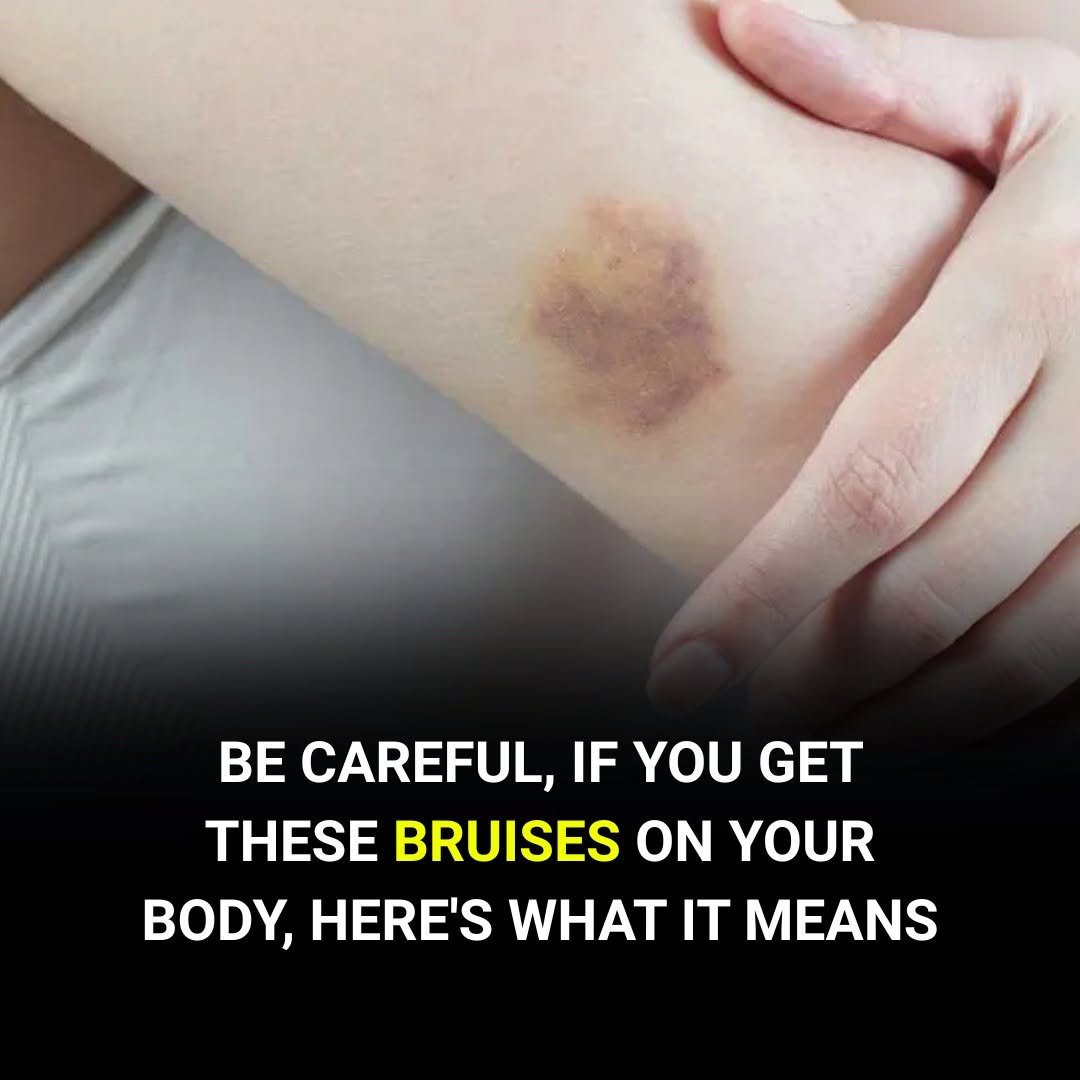
Finding a bruise and having no memory of hitting anything can be confusing, but occasional unexplained bruising does not automatically mean something is seriously wrong. Bruises occur when tiny blood vessels beneath the skin break and leak blood into surrounding tissue. As people age, thinner skin and the loss of some protective fatty tissue can make bruising easier, sometimes after a minor bump that was barely noticed. Certain medicines can also increase bruising, including aspirin, anticoagulants, some anti-inflammatory medicines, antiplatelet drugs, and corticosteroids. Some dietary supplements may contribute as well. This is why a new pattern of bruising should be considered in the context of medications, age, recent injuries, and overall health rather than immediately assuming the worst.
However, frequent, unusually large, painful, or suddenly appearing bruises deserve attention, especially when there is no obvious injury. Easy bruising can occasionally be associated with problems involving platelets or blood-clotting proteins. Warning signs become more important when bruising occurs alongside other bleeding, such as frequent nosebleeds, bleeding gums, unusually heavy menstrual bleeding, blood in the urine or stool, or tiny red-purple spots on the skin called petechiae. A healthcare professional may review your medications and supplements, examine the bruises, and order blood tests such as a platelet count or clotting tests when appropriate. Importantly, do not stop prescribed blood-thinning medication on your own simply because you are bruising; discuss the problem with your doctor or pharmacist first.
The best approach is to watch for patterns rather than panic over a single bruise. Most ordinary bruises gradually fade as the body reabsorbs the trapped blood. Applying a wrapped ice pack for short periods during the first day or two and elevating the affected area can help with swelling and discomfort. Make an appointment with a healthcare professional if bruises become frequent, large, painful, suddenly more common, or appear repeatedly without explanation. If bleeding will not stop with normal first aid, seek immediate medical attention. Disclaimer: This article is for general educational and informational purposes only and does not constitute medical diagnosis, treatment, or personalized health advice. Unexplained bruising has many possible causes, and bruising alone cannot diagnose a serious illness. Some information online may be exaggerated, incomplete, or unauthenticated, so always verify important health claims through reliable medical sources and consult a qualified healthcare professional.
Leave a Reply