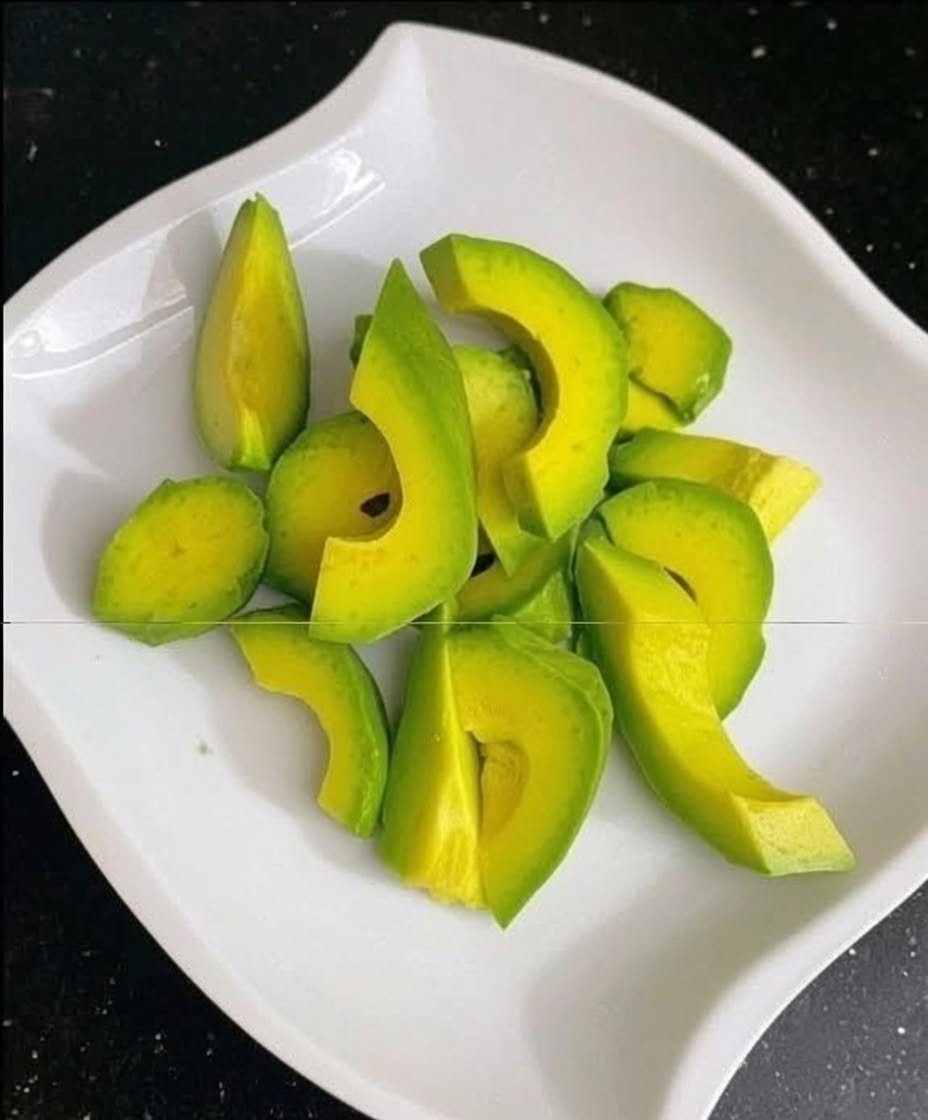
Avocados are sometimes surrounded by dramatic health claims, but the evidence paints a more balanced picture. Rather than causing a specific disease in healthy people, avocados provide fiber, potassium, vitamin K, folate, vitamin C, vitamin E, and mostly monounsaturated fats. Harvard’s Nutrition Source notes that these nutrients can fit well into heart-healthy eating patterns, and research has associated avocado consumption with favorable cardiovascular outcomes when it replaces less healthy sources of fat. Their fiber content may also support digestive health and help with fullness. However, avocados are relatively calorie-dense because they contain substantial amounts of healthy fat, so portion size still matters—especially for people trying to manage their overall calorie intake.
There is one important situation where avocado consumption may require extra attention: kidney disease. Avocados are considered a high-potassium food, with roughly 250 mg of potassium in one-third of an avocado. For many healthy people, this is not a concern because functioning kidneys regulate potassium effectively. But people with chronic kidney disease or elevated blood potassium may be advised to limit high-potassium foods depending on their kidney function and laboratory results. This does not mean everyone with kidney disease must completely avoid avocados; the appropriate amount can vary considerably. People taking certain medications that influence potassium levels should also discuss their diet with a healthcare professional. The important distinction is that avocado itself is not generally “dangerous”—the concern depends on an individual’s medical circumstances, medications, laboratory values, and portion size.
For most people, enjoying avocado as part of a balanced, nutrient-rich diet can be perfectly reasonable. It can be added to salads, whole-grain meals, sandwiches, or eaten alongside other nutritious foods without needing to treat it as a miracle food. At the same time, no single fruit can guarantee protection against heart disease, diabetes, or other conditions. People with kidney problems, abnormal potassium levels, or specific dietary restrictions should seek individualized nutritional guidance rather than following viral health claims online. Disclaimer: This article is for general educational and informational purposes only and does not constitute medical, nutritional, or treatment advice. Avocado affects individuals differently, and dietary recommendations may change according to health conditions, medications, and laboratory results. Always verify health claims through reliable medical and scientific sources and consult a qualified healthcare professional for personalized guidance.
Leave a Reply