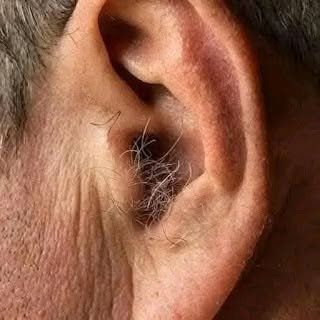
Hair growing on or around the ears is usually a normal biological change, particularly as people get older. It does not automatically mean that something is wrong with the body or that you have a serious disease. Hair growth is influenced by genetics, hormones, age, and individual differences. Some people naturally develop more visible ear hair than others, while others may notice it becoming thicker or darker over time. The viral claim that ear hair is a definite warning sign of a hidden illness is therefore misleading.
As people age, changes in hormone levels and the way hair follicles respond to hormones can alter where and how much hair grows. Coarser hair around the outer ear can become more noticeable, especially in men, although women can also experience increased facial or body hair for various reasons. Genetics plays an important role, meaning that prominent ear hair can simply run in families. Certain medications or hormonal conditions can also cause increased hair growth, but ear hair by itself is not enough to diagnose any health problem. It is also worth separating ordinary external ear hair from symptoms occurring inside the ear. Small amounts of hair around the ear canal can serve a protective role by helping trap dust and other particles, although excessive hair may occasionally interfere with hearing or contribute to blockage when combined with earwax. Importantly, people should avoid inserting scissors, tweezers, cotton swabs, or other objects deeply into the ear canal because this can cause injury. If hair becomes bothersome, careful trimming of visible external hair is generally preferable to aggressive removal.
There is no need to panic simply because you notice more hair around your ears. Ear hair is usually an age- and genetics-related characteristic rather than a reliable disease warning. If the change appears suddenly and is accompanied by other unusual symptoms, unusually rapid hair growth elsewhere on the body, significant hormonal changes, skin abnormalities, or hearing problems, discussing it with a healthcare professional can help determine whether further evaluation is appropriate. For cosmetic reasons, visible external hair can be carefully trimmed using suitable grooming equipment. The important point is not to believe alarming social-media claims that connect one harmless physical characteristic to a specific disease without evidence. Your body naturally changes throughout life, and sometimes an unexpected change is simply part of normal aging.
Leave a Reply