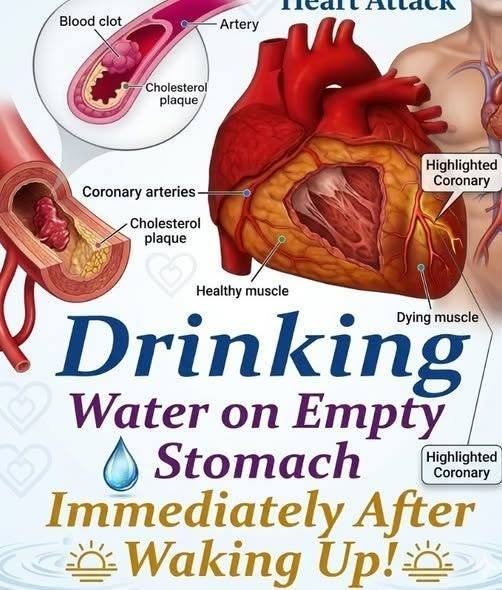
Drinking water on an empty stomach could be a simple way to support hydration and a healthy morning routine. After several hours of sleep without fluids, having a glass of water can help replenish the body’s fluid balance. However, viral claims that drinking water before breakfast “detoxes” the body, melts fat, or cures disease are not scientifically established. Your kidneys and liver already perform the body’s natural waste-processing functions, so water should be viewed as an important part of healthy hydration—not a miracle treatment.
Starting the day with water may have several practical advantages. Adequate hydration supports normal body functions, including temperature regulation, digestion, circulation, and physical performance. Drinking water can also temporarily increase feelings of fullness, which may be useful for some people who are trying to manage their overall calorie intake. Research has investigated whether water consumption before meals can support weight-management strategies, but drinking water alone does not automatically cause significant fat loss. Another possible benefit is helping maintain regular bowel movements when dehydration contributes to constipation. For many people, the simplest strategy is to drink water consistently throughout the day rather than trying to consume a very large amount immediately after waking. There is also no requirement to drink water on an empty stomach specifically; water can be consumed whenever it fits comfortably into your routine. People with certain medical conditions, including some kidney or heart conditions, may have individualized fluid recommendations, so more water is not always better. The quality of the habit matters more than following an exaggerated “morning detox” formula.
If you enjoy drinking water shortly after waking, there is generally no need to stop simply because your stomach is empty. A moderate glass of plain water can be a convenient way to begin your daily hydration, especially if you tend to forget to drink enough later. You do not need to add lemon, vinegar, salt, or special powders to make water “work,” and consuming excessive quantities quickly can be uncomfortable and, in extreme circumstances, dangerous. Instead, focus on sustainable hydration throughout the day, balanced nutrition, regular physical activity, adequate sleep, and appropriate medical care. If you experience unusual thirst, frequent urination, swelling, persistent dehydration symptoms, or have been instructed to restrict fluids, speak with a healthcare professional. The real benefit of morning water is much less dramatic than social-media headlines suggest—but good hydration remains an important foundation of everyday health.
Disclaimer: This article is for general educational purposes only and does not diagnose, treat, cure, or prevent any medical condition. Claims that drinking water on an empty stomach can detoxify the body, rapidly burn fat, or cure disease should not be treated as established medical facts. Information may be general or unauthenticated and should be verified through reliable medical sources and a qualified healthcare professional.
Leave a Reply