Category: Uncategorized

  • What Bananas Actually Do to the Body May Surprise Many People

    What Bananas Actually Do to the Body May Surprise Many People

    Bananas are more than a convenient sweet snack—they provide a combination of carbohydrates, dietary fiber, potassium, vitamin B6, vitamin C, and other micronutrients. A medium banana contains roughly 105 calories, 27 grams of carbohydrates, and 3 grams of fiber, making it an easy source of energy between meals or before physical activity. One of the banana’s best-known nutrients is potassium, an essential electrolyte involved in normal muscle contraction, nerve signaling, and heart function. A medium banana provides approximately 420 mg of potassium. The fruit’s fiber can also contribute to digestive health and feelings of fullness, while less-ripe bananas contain more resistant starch, which can be fermented by beneficial gut microorganisms.

    Another interesting feature is that ripeness changes the carbohydrate profile. As bananas ripen, some of their starch is converted into simpler sugars, making the fruit sweeter and its carbohydrates more readily available. This does not mean ripe bananas are unhealthy, but people monitoring blood glucose may want to consider portion size and what they eat alongside the fruit. Pairing a banana with foods containing protein or healthy fats can make a more balanced snack. Bananas can also be useful around exercise because their easily available carbohydrates and potassium make them a convenient food for supporting energy and replacing nutrients lost through activity. However, bananas should not be described as a cure for high blood pressure, diabetes, digestive disorders, or other diseases; their benefits are best understood as part of an overall nutritious eating pattern.

    For most healthy people, eating bananas regularly can comfortably fit into a balanced diet. The idea that bananas automatically cause weight gain or constipation is not supported by strong evidence; portion size and the overall diet matter much more. There is, however, an important exception: people with certain kidney conditions or those taking medications that increase potassium may need to monitor their potassium intake because excessively high blood potassium can become dangerous. For everyone else, enjoying a banana alongside vegetables, whole grains, nuts, yogurt, or other nutritious foods can be a simple way to diversify the diet. Disclaimer: This article is for general educational and informational purposes only and does not constitute medical diagnosis, treatment, or personalized nutritional advice. Bananas are nutritious, but no single food can prevent or cure disease. Nutritional needs vary between individuals, and health claims found online may be exaggerated, incomplete, or unauthenticated. Always verify important information through reliable sources and consult a qualified healthcare professional if you have a medical condition or specific dietary concerns.

  • These Tiny Insects May Be Hiding in Your House — Here’s Why You Shouldn’t Ignore Them…

    These Tiny Insects May Be Hiding in Your House — Here’s Why You Shouldn’t Ignore Them…

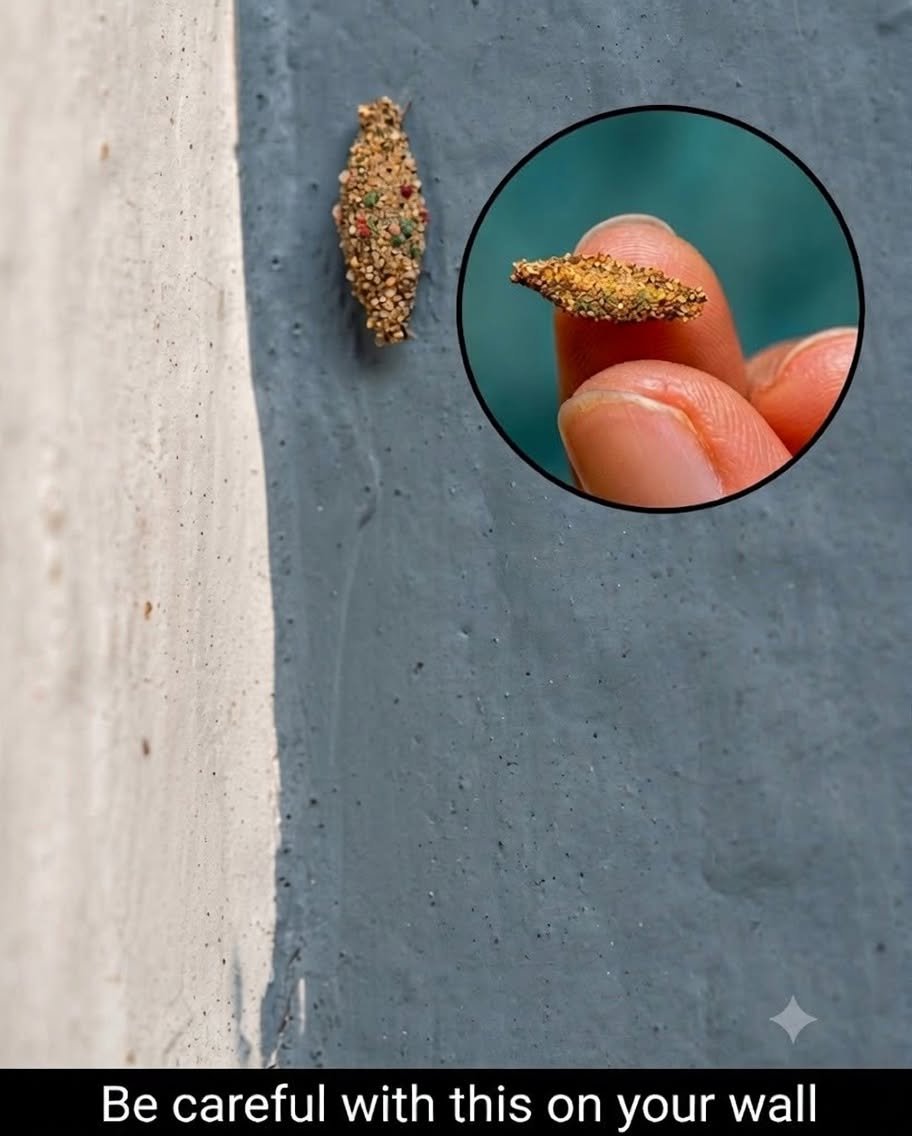
    Tiny insects around the home can be easy to overlook, especially when they appear only occasionally. However, pests such as bed bugs, fleas, cockroaches, ants, and other small insects can become a bigger household problem if their presence is ignored. Some pests can contaminate surfaces or food, while others may cause bites, itching, allergic reactions, or respiratory irritation. The U.S. Environmental Protection Agency notes that household pests such as cockroaches can trigger asthma and allergy symptoms, while certain insects can also act as disease vectors. Bed bugs deserve particular attention because they are extremely good at hiding in mattress seams, furniture, luggage, clothing, and other small spaces. Although bed bugs are not known to transmit diseases to people, their bites can cause itching, disturbed sleep, anxiety, and occasionally allergic reactions.

    Some clues may indicate that insects are becoming established rather than appearing randomly. Look for small insects or eggs, shed skins, unusual droppings, bite marks, damaged food packaging, or insects repeatedly appearing in the same locations. Fleas, for example, can cause itchy bites and may occasionally transmit certain infections, while cockroaches can contribute to indoor allergens. If you suspect an infestation, avoid assuming that spraying large amounts of insecticide is automatically the best solution. The EPA recommends an integrated pest-management approach that focuses on removing food, water, and shelter sources, reducing clutter, sealing entry points, keeping food in airtight containers, cleaning spills promptly, and using pest-control products safely when necessary. For bed bugs, early detection and professional or carefully planned treatment can be especially important because these insects can be difficult to eliminate.

    The safest approach is early identification rather than panic. Keep kitchens and food-storage areas clean, repair leaks, remove standing water, seal cracks where insects may enter, and regularly inspect mattresses, furniture, and other hiding places if you have reason to suspect pests. If bites, allergic reactions, breathing problems, or a persistent infestation develops, consider speaking with a qualified healthcare professional or licensed pest-control specialist. Remember that finding one tiny insect does not automatically mean your home is infested; accurate identification is the first step toward choosing the appropriate response. Disclaimer: This article is for general educational and informational purposes only and does not constitute medical, pest-control, or professional advice. Different insects present different risks, and many harmless insects can resemble household pests. Health claims and viral pest-control recommendations online may be exaggerated, misleading, or unauthenticated, so always verify important information through reliable sources and follow product labels and professional guidance when treating an infestation.

  • The Leftovers in Your Fridge May Be Riskier Than You Think

    The Leftovers in Your Fridge May Be Riskier Than You Think

    Leftovers can be a convenient way to save money, reduce food waste, and enjoy a home-cooked meal later—but refrigeration does not make food safe indefinitely. According to the USDA, most cooked leftovers should generally be eaten within 3–4 days when properly refrigerated. Harmful bacteria can multiply over time, and some organisms, including Listeria monocytogenes, can continue growing even at refrigerator temperatures. This means that food may become unsafe even when it does not look, smell, or taste obviously spoiled. For safer storage, leftovers should be placed in the refrigerator within two hours of cooking or serving, while very hot weather can shorten that window to one hour.

    One of the most important factors is your refrigerator’s temperature. The FDA recommends keeping it at 40°F (4°C) or below, while the freezer should be maintained around 0°F (-18°C). Large quantities of food should be divided into shallow containers so they cool more quickly and evenly, and leftovers should be kept covered in sealed containers. Foods such as cooked meat, poultry, seafood, soups, stews, and many prepared dishes generally have a limited refrigerator life, even when stored correctly. If you know you will not eat something within the recommended period, freezing it can be a safer option for longer storage. Also remember that smell and appearance are not reliable safety tests—some dangerous bacteria may be present without obvious signs of spoilage.

    A simple weekly fridge check can help protect your household: label containers with the date, keep the refrigerator cold, place newer foods behind older ones, and discard leftovers that have been refrigerated longer than recommended. If food has been left at room temperature for too long, it is safer to throw it away rather than taste-test it. Extra caution is particularly important for older adults, young children, pregnant women, and people with weakened immune systems because foodborne infections can be more serious for these groups. Disclaimer: This article is for general educational and informational purposes only and does not constitute medical, nutritional, or food-safety diagnosis or personalized advice. Food-storage times can vary depending on the specific food, preparation, temperature, and handling conditions. Always verify important food-safety information through reliable sources such as government food-safety agencies and follow local guidance.

  • Why Garlic Has Been Studied for Its Potential Health Benefits

    Why Garlic Has Been Studied for Its Potential Health Benefits

    Garlic has been used as both a food and traditional wellness ingredient for centuries, and modern researchers continue to study it because it contains biologically active sulfur compounds and other plant chemicals. One area receiving considerable attention is cardiovascular health, particularly cholesterol and blood pressure. The National Center for Complementary and Integrative Health (NCCIH) reports that garlic supplements may produce small reductions in total and LDL cholesterol among people with elevated cholesterol, while limited evidence suggests they may also modestly lower blood pressure in people with hypertension. More recent research continues to investigate these effects, including a 2025 meta-analysis of 108 randomized trials that reported improvements in several cardiovascular and metabolic markers, although the researchers emphasized the need for further high-quality studies.

    Another reason garlic attracts scientific interest is its potential influence on blood sugar, inflammation, and antioxidant activity. Some studies suggest garlic preparations may produce small reductions in blood glucose in people with diabetes, while researchers are also investigating compounds in garlic for their biological effects. However, evidence differs considerably depending on whether researchers study fresh garlic, aged garlic, powdered preparations, or concentrated supplements. NCCIH specifically cautions that research on many popular garlic claims remains limited, and there is not enough evidence to conclude that garlic can prevent or cure major diseases such as cancer or heart disease. This distinction is important because promising nutritional research does not mean that eating large amounts of garlic or taking concentrated supplements will produce dramatic health improvements.

    For most people, garlic used in normal food amounts can be a flavorful and nutritious component of a balanced diet. However, concentrated garlic supplements can cause side effects such as heartburn, stomach upset, and unpleasant breath or body odor, and garlic may increase bleeding risk or interact with certain medications. Therefore, garlic should be viewed as a supportive food rather than a replacement for prescribed treatment, a healthy diet, exercise, or medical care. Disclaimer: This article is for general educational and informational purposes only and does not constitute medical diagnosis, treatment, or personalized health advice. Research into garlic’s potential benefits is ongoing, and results vary depending on the preparation, dosage, and individual health circumstances. Some online health claims may be exaggerated, misleading, or unauthenticated, so always verify important information through reliable medical sources and consult a qualified healthcare professional before using concentrated garlic supplements or changing prescribed treatment.

  • What Is the Safest Time to Shower to Help Reduce Stroke Risk?

    What Is the Safest Time to Shower to Help Reduce Stroke Risk?

    There is no scientifically established “safest time” to shower that has been proven to prevent stroke. Viral health claims sometimes suggest that showering at a particular hour—especially early in the morning—can dramatically increase or decrease stroke risk, but current evidence does not support such a simple rule. Stroke risk is much more strongly influenced by factors such as high blood pressure, diabetes, high cholesterol, smoking, obesity, physical inactivity, and certain heart-rhythm conditions. The American Heart Association identifies high blood pressure as a major modifiable risk factor for stroke and emphasizes controlling blood pressure as an important part of prevention.

    What may matter during a shower is extreme water temperature and sudden changes in body temperature. Very hot or very cold water can place additional stress on the cardiovascular system. Recent American Heart Association guidance notes that exposure to extreme heat and cold can increase cardiovascular strain and is associated with cardiovascular events, including stroke, particularly among vulnerable people such as older adults and those with existing cardiovascular disease. For this reason, a comfortably warm shower may be a more sensible choice than extremely hot or icy water, especially for someone with cardiovascular risk factors. Getting up slowly before showering can also be helpful for people who experience dizziness or blood-pressure changes when standing.

    Rather than worrying about whether you shower at 6 a.m., 10 a.m., or 10 p.m., focus on the factors that have stronger evidence behind them. Keep your blood pressure under appropriate control, remain physically active, follow a heart-healthy eating pattern, avoid tobacco, maintain a healthy weight, and get adequate sleep. These lifestyle measures are specifically emphasized in current stroke-prevention recommendations. If you have a history of stroke, significant heart disease, uncontrolled blood pressure, or frequent dizziness, ask your healthcare professional whether you need any special precautions when bathing. Disclaimer: This article is for general educational and informational purposes only and does not constitute medical diagnosis, treatment, or personalized health advice. There is no verified showering time that guarantees protection from stroke, and claims suggesting otherwise may be exaggerated, misleading, or unauthenticated. Always verify important health information through reliable medical sources and consult a qualified healthcare professional for advice specific to your health.

  • Before Eating Guava Regularly, Here’s What Doctors Want People to Know…

    Before Eating Guava Regularly, Here’s What Doctors Want People to Know…

    Guava is a nutrient-rich tropical fruit that can be a valuable addition to a balanced diet. It is particularly notable for its vitamin C, dietary fiber, potassium, and naturally occurring antioxidant compounds. Research examining guava has identified a variety of potentially beneficial nutritional and biological properties, although researchers emphasize that more high-quality human studies are needed before making strong medical claims. The fiber in whole guava can support normal digestive function, while vitamin C contributes to normal immune function and helps the body absorb iron from plant foods. USDA research has also highlighted guava’s substantial vitamin C and fiber content compared with several other fruits. For most people, enjoying fresh guava as part of a varied diet is a nutritious choice rather than something that needs to be feared or avoided.

    There are, however, a few practical considerations before making guava a daily habit. Because guava is relatively high in fiber, suddenly eating large quantities may cause temporary bloating or digestive discomfort in some people, particularly if their usual fiber intake is low. Increasing fiber gradually and drinking enough fluids can make the transition more comfortable. Whole fruit is generally preferable to heavily sweetened guava beverages because whole fruit provides fiber without the same concentration of added sugars. People with specific medical conditions or dietary restrictions should also consider their individual nutritional requirements rather than assuming that every fruit is suitable in unlimited quantities. And while studies have investigated guava for blood sugar, cholesterol, blood pressure, inflammation, and other areas, these findings do not mean guava can cure or prevent disease.

    The smartest approach is to enjoy guava in reasonable portions as part of an overall healthy eating pattern. You can eat it fresh, add it to a fruit bowl, or combine it with yogurt, oats, or other nutritious foods. Wash fresh produce thoroughly before eating, particularly when consuming the skin. If you notice persistent digestive symptoms or have been advised to follow a specialized diet because of a medical condition, discuss your food choices with a qualified healthcare professional. Guava can be a delicious and nutrient-dense fruit, but no single food can replace balanced nutrition, appropriate exercise, adequate sleep, or medical treatment when needed. Disclaimer: This article is for general educational and informational purposes only and does not constitute medical diagnosis, treatment, or personalized nutritional advice. Research into guava’s potential health benefits is promising in some areas but remains limited for many claims. Online health information may be exaggerated, misleading, or unauthenticated, so always verify important information through reliable medical sources and consult a qualified healthcare professional for personalized advice.

  • Doctors Reveal That Eating Avocados Causes… See More

    Doctors Reveal That Eating Avocados Causes… See More

    Avocados are often called a “superfood,” but the reality is more balanced: eating avocados does not inherently cause a serious health problem for most people. They are nutrient-dense and provide fiber, potassium, magnesium, folate, vitamin E, vitamin K, and mostly monounsaturated fats. Research has associated avocado consumption with favorable cardiovascular outcomes, particularly when avocado replaces foods higher in saturated fat. However, avocados are relatively high in calories, so eating large portions in addition to an already calorie-rich diet can make it easier to consume more calories than your body needs. Harvard Health specifically recommends thinking of avocado as a replacement for less-healthy fats, rather than simply adding it on top of your usual meals.

    There are also situations where portion size may matter more. Avocados contain a substantial amount of potassium, which is beneficial for many healthy people but can become an important dietary consideration for individuals with advanced kidney disease or kidney failure. NIDDK notes that people with kidney problems may need to limit potassium-rich foods, including avocados, depending on their blood potassium levels and individual treatment plan. For most people, however, this does not mean they need to avoid avocados. Another consideration is that some people may experience digestive discomfort from eating large amounts of fiber or fat at once. The smarter approach is to choose a reasonable serving and incorporate avocado into a balanced meal with vegetables, whole grains, legumes, or other nutritious foods.

    Ultimately, the claim that “eating avocados causes…” a particular disease or dangerous condition is too broad to be scientifically reliable. Current evidence generally supports avocado as a nutritious food when consumed appropriately, while individual dietary needs can differ significantly. If you have kidney disease, a medically restricted diet, or concerns about food allergies or digestive symptoms, discuss your diet with a qualified healthcare professional. Disclaimer: This article is for general educational and informational purposes only and does not constitute medical diagnosis, treatment, or personalized nutritional advice. Avocados are not a miracle cure, nor are they inherently dangerous for most people. Online health headlines may be exaggerated, misleading, or unauthenticated, so always verify important claims through reliable medical sources and consult a qualified healthcare professional for advice specific to your health.

  • 3 Characteristics on Your Hands That May Be Worth Paying Attention To

    3 Characteristics on Your Hands That May Be Worth Paying Attention To

    Your hands can naturally develop many lines, spots, bumps, changes in texture, or differences in nail appearance throughout life. Most of these changes are completely harmless and related to normal aging, genetics, skin exposure, or everyday activity. However, three characteristics may sometimes deserve closer attention: persistent skin-color changes, unusual swelling or lumps, and changes around the nails. For example, persistent redness, unusual darkening, thickened skin, or a sore that does not heal should be evaluated rather than automatically attributed to aging. Similarly, a new lump or swelling can have many possible causes, including cysts, inflammation, arthritis-related changes, or other benign conditions. The important point is that appearance alone cannot determine whether a change represents a medical problem.

    Changes in the nails and surrounding skin can also occasionally provide useful health clues. Persistent changes such as unusual nail discoloration, significant thickening, separation from the nail bed, or a dark streak that develops without an obvious injury may warrant professional evaluation. Some nail changes can be associated with infections, nutritional issues, medications, or systemic conditions, while others are simply harmless variations. The American Academy of Dermatology recommends paying attention to new or changing nail abnormalities and having suspicious changes evaluated by a dermatologist. (aad.org) Likewise, sudden swelling, severe pain, weakness, numbness, or loss of movement in a hand should not be ignored because these symptoms can have causes requiring timely medical assessment.

    Rather than trying to diagnose yourself from a social-media checklist, consider your normal appearance as the baseline and notice changes that are new, persistent, or worsening. Take a photograph if a skin or nail change is difficult to monitor, and seek professional advice if it continues or becomes more noticeable. A healthcare professional can examine the area and determine whether further testing is necessary. Most hand and nail changes are not signs of serious disease, so there is no need to panic based on appearance alone. Disclaimer: This article is for general educational and informational purposes only and does not constitute medical diagnosis, treatment, or personalized health advice. The three characteristics discussed above are not specific indicators of any particular disease, and many harmless conditions can look similar. Online health claims may be exaggerated or unauthenticated, so important information should always be verified through reliable medical sources and a qualified healthcare professional.

  • Add Them to Your Garden Today and Watch the Magic Unfold

    Add Them to Your Garden Today and Watch the Magic Unfold

    A productive garden does not always require expensive products or complicated techniques. Some of the most useful additions are herbs, flowers, and nutrient-rich plants that can support a diverse and attractive growing space. Plants such as basil, mint, rosemary, marigolds, lavender, and nasturtiums can bring fragrance, color, and culinary value while helping create a more varied garden environment. Different plants also provide resources for beneficial insects and pollinators, which can contribute to a healthier ecosystem. The USDA emphasizes the importance of plant diversity and pollinator-friendly gardening for supporting biodiversity. Choosing plants suited to your local climate, sunlight, soil conditions, and available space is more important than simply following a viral gardening trend.

    You can make your garden more productive by combining plants with different growth habits and requirements. For example, herbs can be grown alongside vegetables, while flowering plants can provide nectar and pollen for bees and other beneficial insects. Adding compost or other suitable organic matter can improve soil structure and provide nutrients, while applying mulch can help conserve moisture and reduce weed growth. Native plants can be especially valuable because they are adapted to local environmental conditions and may provide important habitat for regional wildlife. However, not every popular “companion planting” claim has strong scientific evidence behind it. Some combinations may work well in particular gardens, while others are based more on tradition than controlled research. A successful garden is usually built through observation, good soil management, appropriate watering, and selecting plants that genuinely suit your growing conditions.

    The real “magic” comes from creating a balanced garden rather than searching for one miracle plant. Start with a few easy-to-grow varieties, provide appropriate sunlight and water, monitor plants regularly, and avoid unnecessary chemical treatments. If you want to attract pollinators, consider including a variety of flowering plants that bloom during different parts of the growing season. Keep potentially invasive plants under control and research unfamiliar species before introducing them to your garden. With patience and consistent care, even a small garden can become more productive, beautiful, and supportive of local biodiversity. Disclaimer: This article is for general educational and gardening information only and does not guarantee specific results. Plant performance varies according to climate, soil, water, pests, and growing conditions. Some gardening claims circulating online may be exaggerated or unauthenticated, so always verify plant-care recommendations through reliable horticultural or agricultural sources before making significant changes to your garden.

  • 15 Common Nighttime Symptoms That May Signal Diabetes

    15 Common Nighttime Symptoms That May Signal Diabetes

    Diabetes can sometimes cause symptoms that become particularly noticeable at night, although none of these symptoms alone can diagnose diabetes. Fifteen changes worth paying attention to include: 1) frequent nighttime urination, 2) excessive thirst, 3) dry mouth, 4) unusual nighttime hunger, 5) night sweats, 6) restless or disrupted sleep, 7) tingling or numbness in the feet, 8) burning or painful feet, 9) leg cramps, 10) blurred vision, 11) unusual fatigue, 12) headaches, 13) slow-healing cuts or irritated skin, 14) recurring infections, and 15) episodes of shakiness, sweating, confusion, or weakness that may occur when blood sugar becomes too low. The CDC identifies increased thirst and urination, hunger, fatigue, blurred vision, and slow-healing wounds among possible diabetes symptoms. (cdc.gov) Some nighttime problems, such as sweating or restless sleep, can have many causes and should not automatically be blamed on diabetes.

    Frequent nighttime urination and increased thirst can be particularly noticeable when blood glucose levels remain elevated. When glucose builds up in the bloodstream, the kidneys may remove more glucose through urine, drawing additional fluid with it and potentially increasing urination and thirst. (niddk.nih.gov) On the other hand, people taking insulin or certain glucose-lowering medications may experience nighttime hypoglycemia, which can cause sweating, shaking, hunger, dizziness, irritability, confusion, or a fast heartbeat. (cdc.gov) Diabetes can also affect nerves, producing burning, tingling, or numbness in the feet, while high blood glucose can contribute to blurred vision and slower wound healing. (niddk.nih.gov) Because many of these symptoms overlap with other conditions, testing is much more reliable than trying to diagnose diabetes based on symptoms.

    If several of these symptoms occur repeatedly, particularly increased thirst, frequent urination, unexplained weight loss, persistent fatigue, or blurred vision, speak with a healthcare professional about appropriate testing. Diabetes can often be identified through blood tests such as an A1C or fasting blood glucose test. (niddk.nih.gov) People already taking diabetes medication should not change doses based on nighttime symptoms without professional guidance. Sudden severe confusion, loss of consciousness, seizures, or inability to safely swallow during a suspected low-blood-sugar episode requires urgent medical attention. Disclaimer: This article is for general educational and informational purposes only and does not constitute medical diagnosis, treatment, or personalized medical advice. These 15 symptoms are not proof of diabetes and can have numerous other causes. Some online health claims may be exaggerated, misleading, or unauthenticated, so always verify important information through reliable medical sources and consult a qualified healthcare professional for appropriate testing and advice.