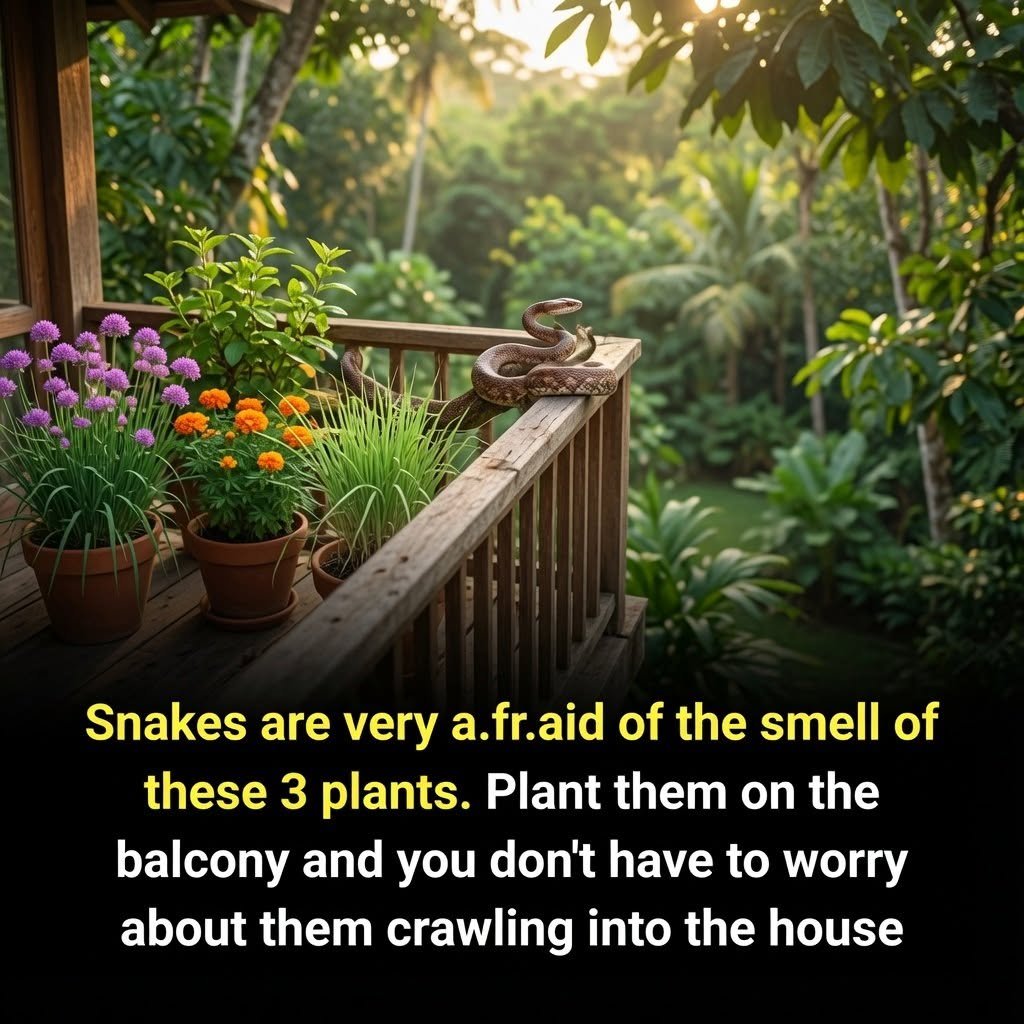
A productive garden does not always require expensive products or complicated techniques. Some of the most useful additions are herbs, flowers, and nutrient-rich plants that can support a diverse and attractive growing space. Plants such as basil, mint, rosemary, marigolds, lavender, and nasturtiums can bring fragrance, color, and culinary value while helping create a more varied garden environment. Different plants also provide resources for beneficial insects and pollinators, which can contribute to a healthier ecosystem. The USDA emphasizes the importance of plant diversity and pollinator-friendly gardening for supporting biodiversity. Choosing plants suited to your local climate, sunlight, soil conditions, and available space is more important than simply following a viral gardening trend.
You can make your garden more productive by combining plants with different growth habits and requirements. For example, herbs can be grown alongside vegetables, while flowering plants can provide nectar and pollen for bees and other beneficial insects. Adding compost or other suitable organic matter can improve soil structure and provide nutrients, while applying mulch can help conserve moisture and reduce weed growth. Native plants can be especially valuable because they are adapted to local environmental conditions and may provide important habitat for regional wildlife. However, not every popular “companion planting” claim has strong scientific evidence behind it. Some combinations may work well in particular gardens, while others are based more on tradition than controlled research. A successful garden is usually built through observation, good soil management, appropriate watering, and selecting plants that genuinely suit your growing conditions.
The real “magic” comes from creating a balanced garden rather than searching for one miracle plant. Start with a few easy-to-grow varieties, provide appropriate sunlight and water, monitor plants regularly, and avoid unnecessary chemical treatments. If you want to attract pollinators, consider including a variety of flowering plants that bloom during different parts of the growing season. Keep potentially invasive plants under control and research unfamiliar species before introducing them to your garden. With patience and consistent care, even a small garden can become more productive, beautiful, and supportive of local biodiversity. Disclaimer: This article is for general educational and gardening information only and does not guarantee specific results. Plant performance varies according to climate, soil, water, pests, and growing conditions. Some gardening claims circulating online may be exaggerated or unauthenticated, so always verify plant-care recommendations through reliable horticultural or agricultural sources before making significant changes to your garden.
Leave a Reply