Category: Uncategorized

  • Every Woman Should Know What Cloves May Offer — And What They Can’t Do

    Every Woman Should Know What Cloves May Offer — And What They Can’t Do

    Cloves are a fragrant spice traditionally used in cooking and contain several naturally occurring compounds, including eugenol, which has antioxidant and antimicrobial properties. Adding small amounts of cloves to meals or beverages can contribute flavor without relying on excessive sugar or salt. Research has investigated cloves and eugenol for potential effects involving inflammation, oxidative stress, oral health, and blood-glucose regulation. However, many of the strongest findings come from laboratory or animal studies, so they should not be interpreted as proof that cloves can treat a particular disease. The National Center for Complementary and Integrative Health emphasizes that evidence for many herbal and botanical products varies considerably, and “natural” does not automatically mean effective or risk-free. (nccih.nih.gov)

    One area researchers have explored is blood-sugar metabolism. Some preliminary studies suggest compounds found in cloves may influence glucose-related pathways, but evidence in humans is limited and does not establish cloves as a substitute for diabetes treatment. Similarly, claims that eating cloves can “balance hormones,” cure infertility, prevent cancer, melt belly fat, or dramatically improve reproductive health are not supported by strong clinical evidence. Clove oil is substantially more concentrated than culinary cloves and should not be consumed casually; excessive eugenol exposure can cause serious toxicity, particularly when concentrated oils are swallowed. (medlineplus.gov) People taking medications that affect blood clotting should also discuss concentrated clove products with a healthcare professional because eugenol may have antiplatelet effects. Pregnant or breastfeeding women should seek professional guidance before using medicinal amounts or concentrated supplements rather than assuming that a traditional remedy is automatically safe.

    The safest way to enjoy cloves is to use them primarily as a culinary spice in normal food quantities. You can add a small amount to oatmeal, soups, baked foods, or other appropriate dishes for flavor and variety. If you are considering clove supplements, clove oil, or large medicinal doses for a specific health goal, speak with a qualified healthcare professional first—especially if you take prescription medication or have an ongoing medical condition. A balanced diet, regular physical activity, adequate sleep, preventive healthcare, and evidence-based treatment remain much more reliable foundations for long-term wellness than any single spice. Disclaimer: This article is for general educational and informational purposes only and does not constitute medical, nutritional, or treatment advice. Research on cloves is still developing, and traditional uses should not be presented as proven medical treatments. Always verify health claims through reliable scientific and medical sources and consult a qualified healthcare professional before using concentrated herbal products or supplements.

  • Before You Take Another Bite of Yesterday’s Meal, Know the Risks of These 5 Foods

    Before You Take Another Bite of Yesterday’s Meal, Know the Risks of These 5 Foods

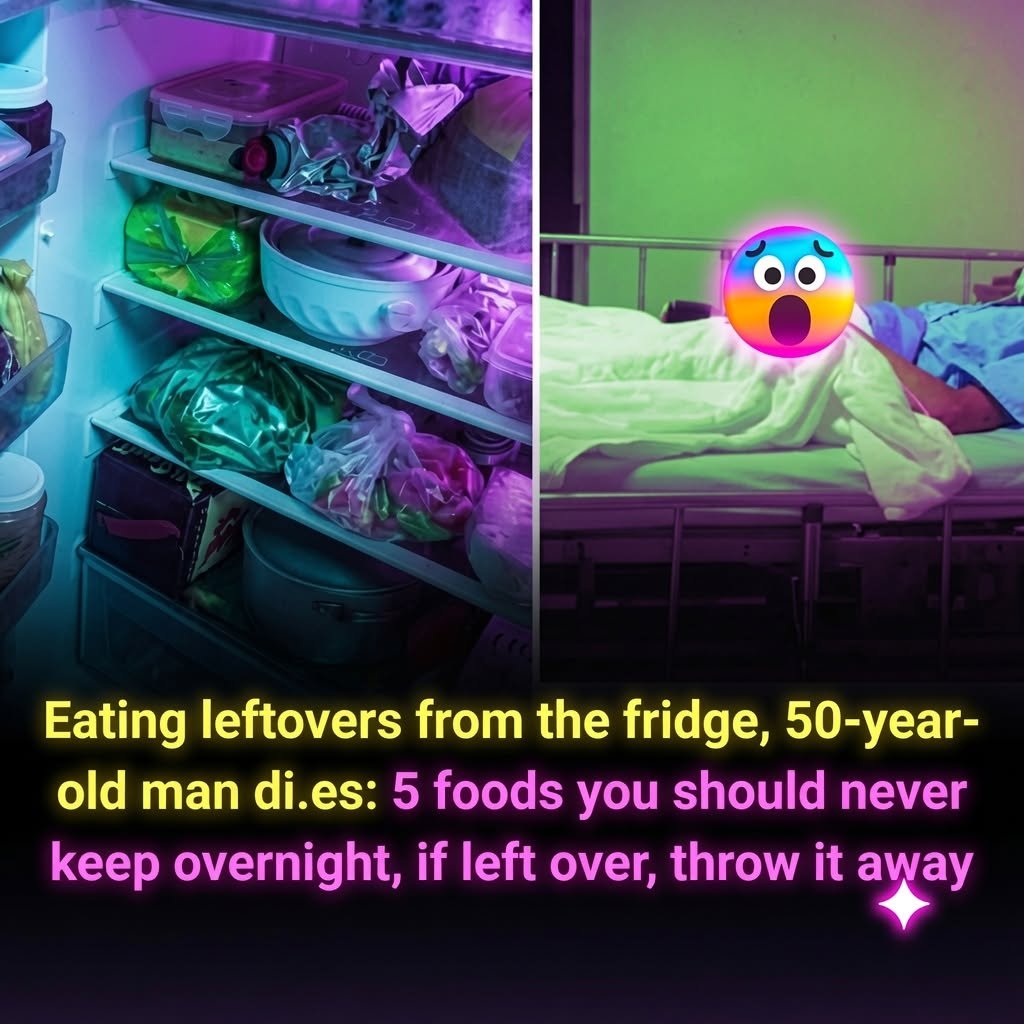
    Eating leftovers can be a convenient way to save money, reduce food waste, and make meal preparation easier—but how leftovers are handled matters more than simply whether they are “from yesterday.” Five foods that deserve particular attention are cooked chicken or other poultry, cooked rice, eggs and egg-based dishes, seafood, and creamy or mayonnaise-based salads. These foods can support bacterial growth when they are left at unsafe temperatures or stored incorrectly. The FDA recommends refrigerating perishable foods and leftovers within two hours, or within one hour when temperatures exceed 90°F (32°C). Cooked meat and poultry leftovers are generally recommended for use within 3–4 days when properly refrigerated at 40°F (4°C) or below. So the phrase “yesterday’s food” does not automatically mean unsafe—the storage conditions and handling history are what matter most.

    Cooked rice is another food that frequently receives attention because certain bacteria can survive cooking and multiply if rice is cooled or stored improperly. Seafood and egg-based dishes also require careful temperature control because they are perishable foods. Eggs and dishes containing eggs should be refrigerated promptly and generally used within 3–4 days when properly stored. Mayonnaise-based salads, such as chicken, tuna, egg, or macaroni salad, can also become unsafe when left unrefrigerated for extended periods. One important misconception is that reheating automatically makes old food safe. While thorough reheating can kill many bacteria, some microorganisms can produce toxins under certain conditions, and refrigeration does not stop bacterial growth completely. That’s why food that has been sitting at room temperature for too long should not simply be “rescued” by reheating.

    The safest approach is straightforward: refrigerate leftovers promptly, use shallow containers to help them cool quickly, keep your refrigerator at 40°F (4°C) or below, and follow recommended storage times. When reheating leftovers, the FDA recommends reaching an internal temperature of 165°F (74°C), while sauces, soups, and gravies should be brought to a boil. Never rely solely on smell or appearance because harmful bacteria may be present without obvious spoilage. If food has been left out longer than the recommended safe period, especially in hot weather, throwing it away is safer than taking the risk. Disclaimer: This article is for general educational and food-safety information only and does not constitute medical advice. Food safety depends on the type of food, preparation, temperature, storage conditions, and individual circumstances. Always verify food-safety information through reliable government and scientific sources and follow appropriate local food-handling guidance.

  • Before You Go to Sleep Tonight, Here’s What You Should Know About Your Heart and Brain

    Before You Go to Sleep Tonight, Here’s What You Should Know About Your Heart and Brain

    Sleep is far more than simply “switching off” at the end of the day—it is an important period when the brain and cardiovascular system support recovery and regulation. During quality sleep, the brain works through processes involved in memory, learning, attention, and overall cognitive function, while the body supports the repair and maintenance of tissues and blood vessels. The American Heart Association recommends that most adults aim for approximately 7–9 hours of sleep each night, with consistency and sleep quality also playing important roles. Regularly getting insufficient or poor-quality sleep has been associated with higher risks of high blood pressure, heart disease, stroke, obesity, and other chronic health problems. This means that your bedtime routine is not simply about feeling refreshed tomorrow—it can be part of a broader strategy for protecting long-term cardiovascular and brain health.

    Your sleep quality matters just as much as the number of hours. Frequently interrupted sleep, an inconsistent schedule, insomnia, and sleep-disordered breathing such as obstructive sleep apnea have all been associated with poorer cardiovascular and brain outcomes. The American Heart Association reports that disturbed sleep is associated with factors including high blood pressure, stroke risk, and cognitive problems. Sleep apnea deserves particular attention because repeated interruptions in breathing during sleep can reduce oxygen levels and place additional stress on the cardiovascular system. If you regularly wake up gasping, snore loudly, experience breathing pauses during sleep, or remain excessively sleepy during the day, discussing these symptoms with a healthcare professional may be worthwhile. Good sleep hygiene can also help: keep a consistent bedtime and wake time, make your bedroom dark and comfortable, reduce bright screens before bed, and create a quiet wind-down routine.

    Tonight, instead of searching for a miracle food or supplement to “clean” your brain or arteries, focus on the basics that have stronger evidence behind them: adequate sleep, consistency, physical activity, nutritious food, healthy blood pressure, and avoiding tobacco. Newer American Heart Association guidance emphasizes that brain health is influenced by sleep, physical activity, diet, psychological well-being, chronic health conditions, and other lifestyle factors across the lifespan. If you regularly struggle to sleep, wake repeatedly, or experience symptoms suggestive of sleep apnea, don’t simply accept poor sleep as normal. Getting the underlying problem evaluated can be an important investment in both cardiovascular and cognitive health. Disclaimer: This article is for general educational and informational purposes only and does not constitute medical advice, diagnosis, or treatment. Associations between sleep and health outcomes do not mean that poor sleep alone causes a specific disease in every individual. Always verify health information through reliable medical and scientific sources and consult a qualified healthcare professional about persistent sleep problems or concerning symptoms.

  • Does Your Partner Sleep Facing Away From You? The Real Reason May Surprise You

    Does Your Partner Sleep Facing Away From You? The Real Reason May Surprise You

    If your partner regularly sleeps facing away from you, it is easy to assume that they are emotionally distant or unhappy in the relationship—but sleeping position alone cannot reveal how someone feels about their partner. Sleep experts explain that people naturally change positions throughout the night, often without consciously choosing them. Back-to-back sleeping, where both partners face opposite directions, can actually reflect comfort, security, and a desire for personal space rather than conflict. The position may simply allow each person to move freely, regulate body temperature, and maintain a comfortable posture. In other words, your partner turning away after falling asleep is not automatically a hidden message about the relationship.

    There are also very practical reasons couples may sleep facing opposite directions. Temperature, mattress space, snoring, different sleep preferences, neck or back comfort, and nighttime movement can all influence sleeping positions. Some couples may begin the night cuddling and naturally turn away as they become comfortable, while others may prefer some physical distance throughout the night. Sleep Foundation notes that there is no single “best” sleeping position for couples; the ideal arrangement is one that allows both people to sleep comfortably and get adequate rest. Even sleeping in separate beds or rooms does not necessarily indicate relationship problems—some couples intentionally do so because different schedules, snoring, movement, or temperature preferences interfere with sleep. Therefore, interpreting a sleeping position as proof of reduced affection or relationship trouble can create unnecessary anxiety.

    What matters more than which direction your partner faces is how the relationship feels while both of you are awake. If there is affection, communication, respect, and emotional connection during the day, facing away during sleep is usually not something to worry about. On the other hand, if a sudden change in sleeping behavior occurs alongside persistent conflict, emotional withdrawal, avoidance, or communication problems, it may be worth having a calm conversation rather than making assumptions. A simple question such as, “Are you comfortable sleeping this way?” can provide much more useful information than trying to decode body language while someone is asleep. Disclaimer: This article is for general educational and informational purposes only and does not constitute relationship, psychological, or medical advice. Sleeping positions vary widely between individuals and cannot reliably diagnose emotional distance, relationship problems, or personality traits. Always consider the broader context and communicate openly with your partner rather than relying on viral interpretations of sleep behavior.

  • What to Do If You’re Bitten by a Snake

    What to Do If You’re Bitten by a Snake

    A snakebite should be treated as a medical emergency, especially when the snake could be venomous. The first priority is to move away from the snake without attempting to catch or kill it, then keep the bitten person as calm and still as possible. Remove rings, bracelets, watches, or tight clothing near the affected area because swelling can develop. Immobilize the bitten limb with a splint or sling if possible and arrange urgent transportation to the nearest appropriate medical facility. Do not wait for severe symptoms to appear: venomous bites can potentially cause paralysis, dangerous bleeding, tissue damage, or kidney failure, and appropriate antivenom is the most effective treatment for serious envenoming.

    There are several things you should never do after a suspected venomous snakebite. Do not cut or slice the wound, attempt to suck out venom, apply ice, use a tight tourniquet, burn the area, apply chemicals or herbal remedies, or use traditional “snakebite cures.” These approaches can cause additional injury or delay effective medical treatment. If the person begins vomiting or becomes very weak, placing them on their side in the recovery position can help protect their airway while medical help is being arranged. Continue monitoring breathing and consciousness, and be prepared to provide appropriate resuscitation if necessary. If it can be done safely from a distance, remembering the snake’s appearance or taking a photograph may help clinicians identify the appropriate antivenom, but never risk another bite trying to capture it.

    The most important message is simple: stay calm, keep the person still, immobilize the affected limb, and get professional medical care as quickly as possible. Do not rely on home remedies, and do not assume a bite is harmless simply because there is little pain or swelling initially. Symptoms vary considerably depending on the snake species and venom, and some serious effects can develop later. In areas where venomous snakes are common, knowing the location of the nearest medical facility capable of treating snakebite can be an important part of emergency preparedness. Disclaimer: This article is for general educational and emergency-awareness purposes only and does not replace professional medical care. Snakebite treatment can vary according to the snake species and region. If a snakebite has occurred, seek emergency medical attention immediately and follow instructions from qualified healthcare professionals. Always verify first-aid guidance through reliable medical authorities.

  • 9 Warning Signs of Diabetes You Shouldn’t Ignore

    9 Warning Signs of Diabetes You Shouldn’t Ignore

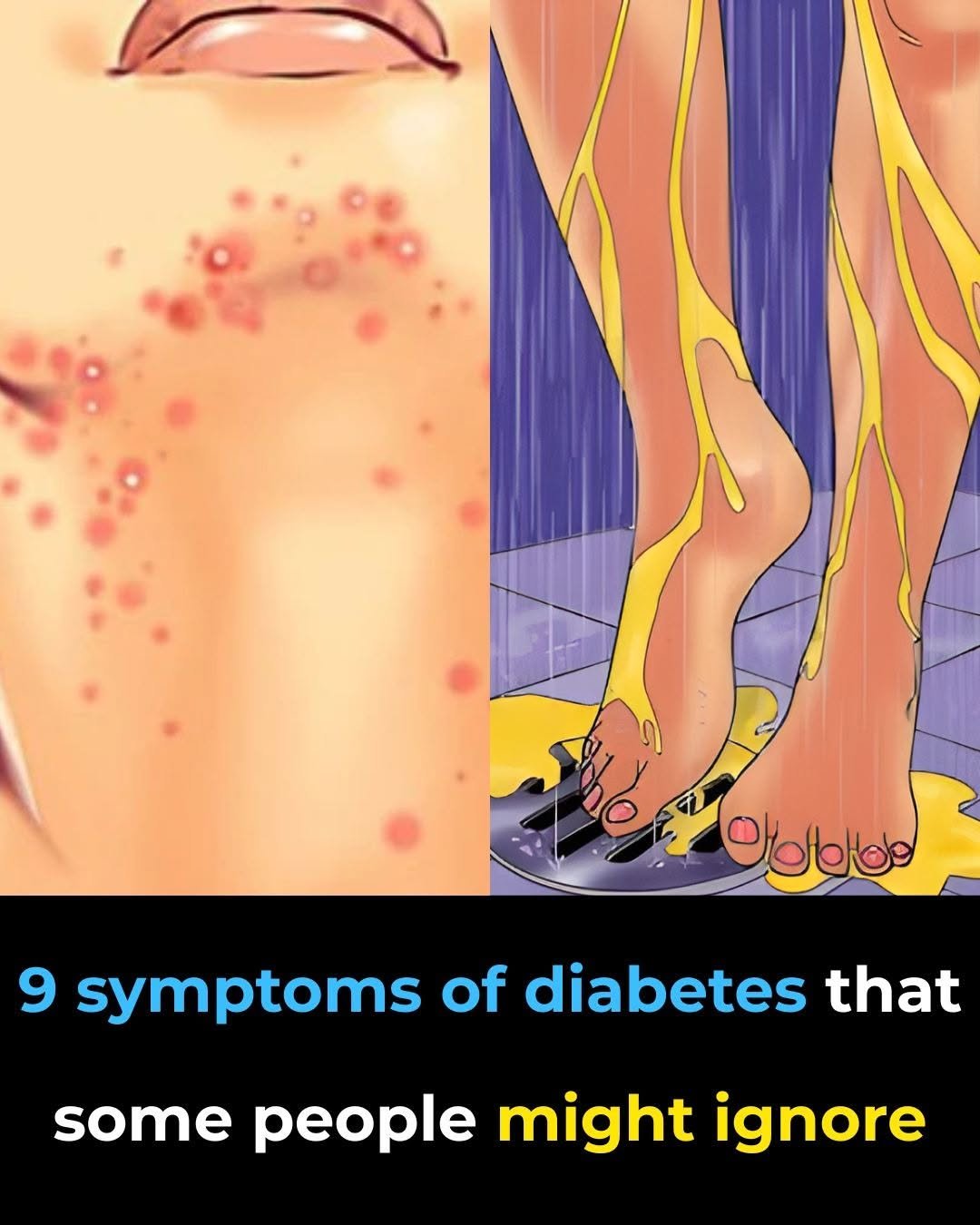
    Diabetes can develop gradually, and some people may have few or no noticeable symptoms, particularly with type 2 diabetes. However, several changes can indicate that blood glucose levels may be higher than normal. Nine warning signs worth knowing are frequent urination, excessive thirst, increased hunger, unexplained weight loss, persistent fatigue, blurred vision, slow-healing cuts or sores, frequent infections, and tingling or numbness in the hands or feet. Frequent urination and unusual thirst can occur because excess glucose in the blood causes the kidneys to work harder to remove it. Fatigue and unexplained weight loss can also occur when the body cannot effectively use glucose for energy. Meanwhile, persistently elevated blood glucose can affect the eyes, nerves, immune defenses, and the body’s ability to heal wounds. These symptoms do not automatically mean someone has diabetes, but several occurring together are a good reason to discuss testing with a healthcare professional.

    Some symptoms can be particularly easy to dismiss. Blurred vision, for example, can occur when high blood glucose affects fluid levels in the eye, while repeated urinary, skin, or yeast infections may be associated with diabetes. Tingling, burning, or reduced sensation in the feet and hands can occur when diabetes-related nerve damage develops, although this complication generally develops over time. Another important point is that symptoms can vary according to the type of diabetes. Type 1 diabetes can sometimes develop rapidly over days or weeks and may involve unexplained weight loss, while type 2 diabetes can progress slowly for years without obvious symptoms. In some cases, people discover they have diabetes only after a routine blood test or after developing another health problem. That is why relying only on symptoms is not enough—blood-glucose testing is needed to determine whether diabetes is actually present.

    If you notice several of these changes, particularly persistent thirst, frequent urination, unexplained weight loss, unusual tiredness, or vision changes, consider arranging appropriate medical testing rather than waiting for symptoms to become severe. A healthcare professional can determine whether blood-glucose testing, an A1C test, or other evaluation is appropriate. Diabetes is manageable, and identifying elevated blood glucose early can provide an opportunity to address it before complications become more serious. If someone develops extreme tiredness, vomiting, abdominal pain, trouble breathing, fruity-smelling breath, dehydration, confusion, or fainting, urgent medical attention is important because these can occur with diabetic ketoacidosis, a potentially life-threatening emergency. Disclaimer: This article is for general educational and informational purposes only and does not constitute medical advice, diagnosis, or treatment. These symptoms can have many different causes and cannot confirm diabetes by themselves. Always verify health information through reliable medical and scientific sources and consult a qualified healthcare professional for appropriate testing and personalized guidance.

  • Woman Suffers Sudden Kidney Failure After a Meal — Is This Vegetable Really “Poisonous”?

    Woman Suffers Sudden Kidney Failure After a Meal — Is This Vegetable Really “Poisonous”?

    A dramatic headline like this can easily create unnecessary fear, but there is one important food-related kidney warning that is supported by medical case reports: star fruit (carambola) can cause serious toxicity in certain circumstances. Technically, star fruit is a fruit rather than a vegetable, so claims calling it a “poisonous vegetable” are misleading. Research has documented cases of acute kidney injury after people consumed large quantities of star fruit or concentrated star-fruit juice. In one report, a 56-year-old woman with diabetes and previously normal kidney function developed acute kidney injury after consuming a large amount of star-fruit juice at once. The risk is particularly concerning for people who already have chronic kidney disease because their kidneys may not effectively eliminate substances in star fruit that can become toxic. The National Kidney Foundation specifically advises people with kidney disease to avoid star fruit because it can cause serious neurological and other complications.

    The potential danger appears to involve oxalate and a neurotoxic compound associated with star fruit. Large amounts, particularly concentrated juice, may contribute to oxalate-related kidney injury, while the neurotoxin can accumulate when kidney function is impaired. Reported symptoms can include nausea, vomiting, abdominal discomfort, persistent hiccups, reduced urine output, confusion, and in severe cases seizures or other neurological complications. Several case reports also suggest that consuming large amounts while dehydrated or on an empty stomach may increase the risk of kidney injury. Importantly, this does not mean that every person who eats a normal serving of star fruit will develop kidney failure. Serious toxicity is uncommon in people with healthy kidneys, but documented cases show that excessive consumption can occasionally cause acute kidney injury even in individuals without previously recognized kidney disease.

    The safest message is therefore not “never eat this food,” but know whether you are in a higher-risk group and avoid excessive amounts. Anyone with chronic kidney disease, reduced kidney function, or a history of unexplained kidney problems should discuss star fruit with a healthcare professional before consuming it. People should also avoid using large amounts of star fruit or concentrated juice as a home remedy for diabetes or other medical conditions. If someone develops persistent vomiting, severe abdominal discomfort, dramatically reduced urine output, confusion, or unusual neurological symptoms after consuming a large amount of star fruit, urgent medical assessment is appropriate. Disclaimer: This article is for general educational and informational purposes only and does not constitute medical, nutritional, or treatment advice. Star-fruit toxicity is uncommon and individual risk varies; a specific person’s kidney failure cannot be attributed to a food without verified medical evidence. Always verify health claims through reliable scientific and medical sources and consult a qualified healthcare professional for personalized guidance.

  • If Your Legs Are Swollen, Doctors Warn This Could Be a Serious Sign

    If Your Legs Are Swollen, Doctors Warn This Could Be a Serious Sign

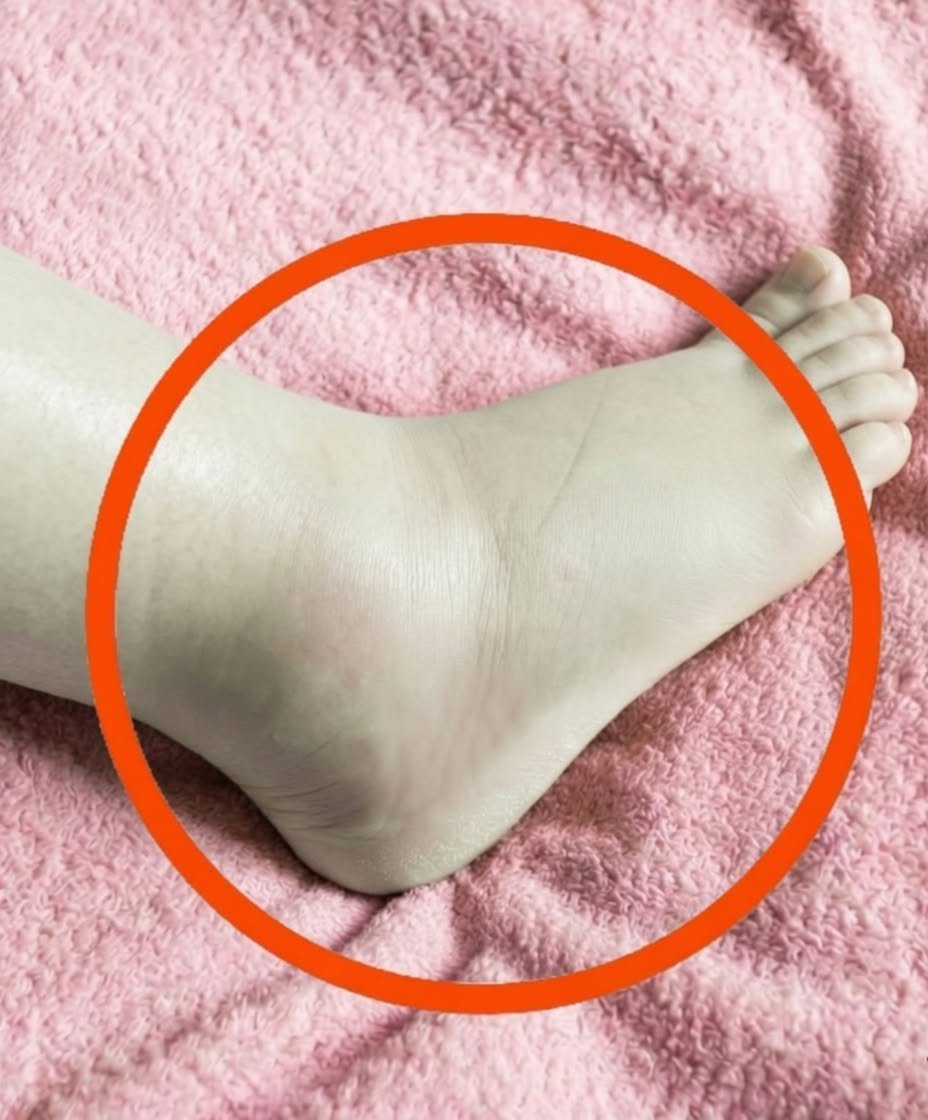
    Swollen legs, ankles, or feet are often caused by oedema, a buildup of fluid in body tissues. Sometimes the explanation is relatively simple—such as sitting or standing for a long time, eating a very salty diet, being overweight, pregnancy, certain medications, or varicose veins. However, persistent swelling can also be associated with problems involving the heart, kidneys, liver, or circulation. This is why recurring swelling should not automatically be dismissed as normal, especially when there is no obvious explanation. Heart failure, for example, can cause fluid to accumulate in the feet, ankles, legs, or abdomen and may occur alongside breathlessness, tiredness, coughing, or sudden weight gain. The pattern matters too: swelling in both legs can have different causes from sudden swelling affecting only one leg.

    One of the situations doctors take particularly seriously is sudden swelling in one leg, especially when it occurs with pain, tenderness, warmth, redness, darkened skin, or visibly swollen veins. These can be warning signs of deep vein thrombosis (DVT), a blood clot that commonly develops in a deep vein in the leg. DVT can become dangerous if part of the clot travels to the lungs and causes a pulmonary embolism. If leg swelling or pain is accompanied by shortness of breath, chest pain, coughing up blood, severe dizziness, or fainting, immediate emergency medical attention is needed because a pulmonary embolism can be life-threatening. Similarly, swelling that becomes suddenly severe, painful, hot, or red, or swelling accompanied by fever or chills, should receive prompt medical assessment.

    For mild swelling with an obvious temporary cause, simple measures such as raising the legs when resting, gentle walking, avoiding prolonged sitting or standing, and reducing excessive salt intake may help. However, persistent or worsening swelling deserves professional evaluation rather than self-treatment, because the appropriate treatment depends entirely on the underlying cause. A healthcare professional may review medications, examine circulation, and order tests when necessary to distinguish fluid retention from vascular, heart, kidney, liver, or other conditions. Disclaimer: This article is for general educational and informational purposes only and does not constitute medical advice, diagnosis, or treatment. Leg swelling has many possible causes, and the presence of swelling alone cannot confirm a serious illness. Always verify health information through reliable medical and scientific sources and consult a qualified healthcare professional about new, persistent, sudden, painful, or unexplained swelling.

  • These 9 Unusual Itching Symptoms Could Be Your Body’s Way of Signaling Underlying Illness

    These 9 Unusual Itching Symptoms Could Be Your Body’s Way of Signaling Underlying Illness

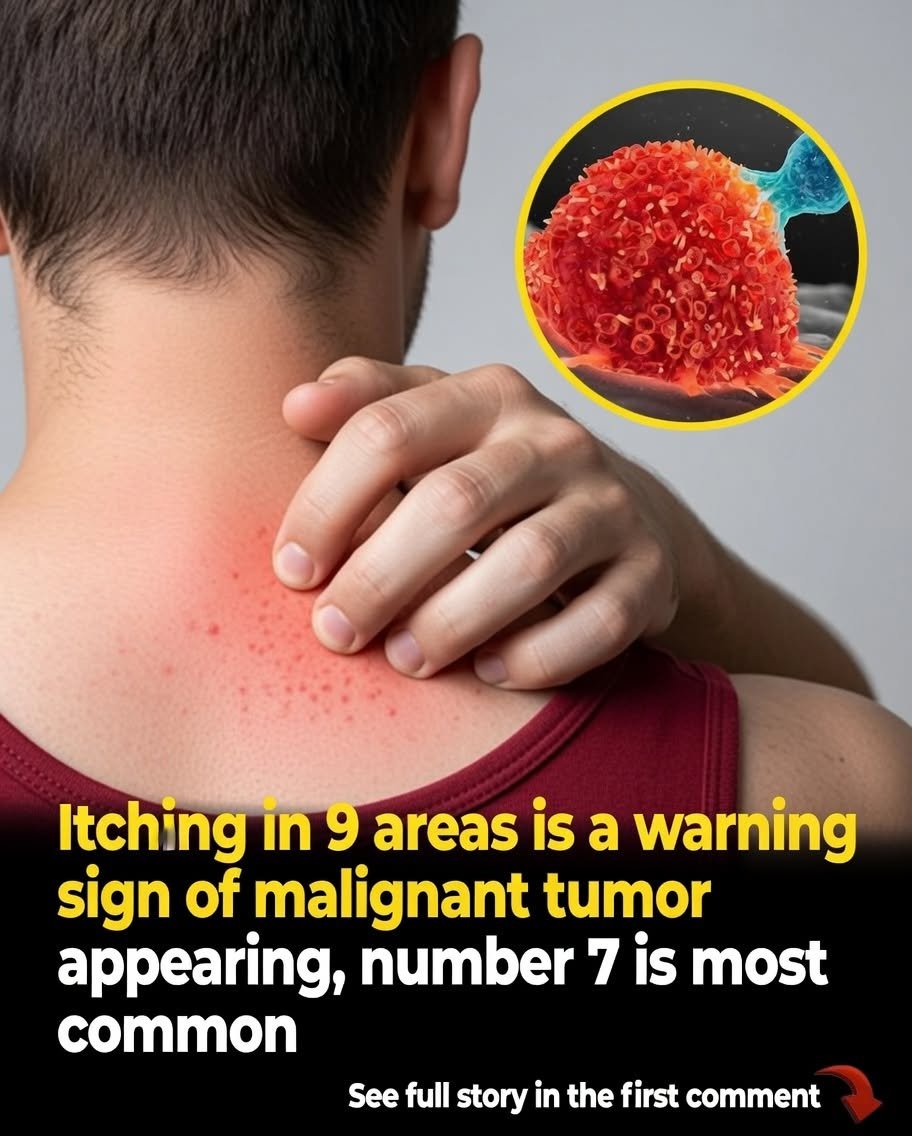
    Itching, medically known as pruritus, is extremely common and is usually caused by something relatively simple, such as dry skin, eczema, allergies, insect bites, irritation from soaps or detergents, or a reaction to medication. However, persistent or unexplained itching can occasionally be associated with an underlying medical condition. Nine patterns worth paying attention to include whole-body itching without an obvious rash, severe itching that repeatedly occurs at night, itching concentrated on the palms or soles, itching accompanied by yellowing of the skin or eyes, itching with unusual fatigue, itching accompanied by unexplained weight loss, itching with excessive thirst or other diabetes symptoms, itching with significant changes in urination, and itching accompanied by swollen lymph nodes or unexplained fever or night sweats. These patterns do not diagnose a disease, but they can help explain why persistent symptoms should not always be dismissed. Liver, kidney and thyroid disorders, diabetes, iron-deficiency anemia and certain blood disorders are among the systemic conditions that can sometimes cause itching.

    The location and timing of the itch can provide useful clues, although they are not diagnostic by themselves. For example, itching associated with some liver conditions may begin around the palms and become more widespread, while itching related to advanced kidney disease can occur with dry or scaly skin and may become particularly troublesome at night. Thyroid disorders can also contribute to itchy, dry skin, and diabetes-related nerve problems may cause localized itching or unusual sensations in the hands, feet or legs. Persistent generalized itching without a visible skin rash is another reason a healthcare professional may consider blood tests to evaluate possible liver, kidney, thyroid, glucose or iron-related problems. In uncommon cases, generalized itching can occur alongside certain cancers, particularly lymphomas or leukemias, but itching by itself is far more often caused by something other than cancer. Recent medical guidance emphasizes that cancer-related itching is uncommon and is more concerning when it persists for weeks or months, affects large areas, occurs without an obvious rash, or appears alongside symptoms such as unexplained weight loss or fatigue.

    If itching continues for several weeks, repeatedly disrupts sleep, spreads across the body, or occurs together with jaundice, unexplained weight loss, persistent fever, night sweats, unusual fatigue, swollen lymph nodes, or other unexplained symptoms, arranging a medical evaluation is sensible. A clinician may examine the skin carefully and review medications, personal-care products, allergies, recent travel and other possible triggers before deciding whether blood tests or additional investigations are appropriate. In the meantime, gentle fragrance-free moisturizers, avoiding very hot showers, limiting harsh soaps and keeping the skin well hydrated may reduce itching caused by dryness or irritation. Disclaimer: This article is for general educational and informational purposes only and does not constitute medical advice, diagnosis, or treatment. Most itching is not caused by a serious illness, and the symptoms described above cannot confirm any particular disease. Always verify health information through reliable medical and scientific sources and consult a qualified healthcare professional about persistent, severe, widespread, or unexplained itching.

  • Before You Drink Coconut Water, See If You Belong to One of These 6 Groups

    Before You Drink Coconut Water, See If You Belong to One of These 6 Groups

    Coconut water is often marketed as a natural hydration drink because it contains electrolytes such as potassium and sodium, and it can be a lower-calorie alternative to many sweetened beverages. For most healthy adults, moderate amounts can fit into a balanced diet. However, it is not automatically the best choice for everyone. The first group that should be especially cautious is people with chronic kidney disease, because impaired kidneys may have difficulty removing excess potassium from the blood. The National Kidney Foundation notes that potassium requirements in kidney disease depend on kidney function, medications, and blood-test results. A second group includes people who have previously been diagnosed with high blood potassium (hyperkalemia), for whom high-potassium foods and beverages may need to be limited.

    A third group is people taking certain blood-pressure or heart medications that can raise potassium levels. Some ACE inhibitors, ARBs, and potassium-sparing diuretics can contribute to hyperkalemia, so adding large amounts of potassium-rich drinks without medical guidance may not be appropriate. Fourth, people with heart failure or other conditions affecting fluid and electrolyte balance may need individualized limits on both potassium and fluids. Fifth, anyone who has been instructed by a doctor or dietitian to follow a potassium-restricted diet should check before making coconut water a regular beverage. Sixth, people preparing for certain medical procedures should ask their healthcare team about coconut water and other electrolyte-rich drinks; Cleveland Clinic notes that its potassium content can matter around surgery and with some medications. These groups do not necessarily have to avoid coconut water completely—the appropriate amount depends on the individual’s medical situation.

    For healthy people, coconut water can be enjoyed in moderation, but plain water remains an excellent everyday hydration choice. If you choose coconut water, check the nutrition label and consider 100% coconut water without unnecessary added sugars. The important lesson is that “natural” does not automatically mean suitable for everyone. Potassium is an essential mineral, but both excessively high and excessively low potassium levels can be dangerous, particularly for people with kidney or heart conditions. If you have kidney disease, heart failure, diabetes with kidney complications, high potassium, or take medications that affect potassium, discuss your beverage choices with your healthcare professional or a registered dietitian. Disclaimer: This article is for general educational and informational purposes only and does not constitute medical, nutritional, or treatment advice. Individual potassium and fluid requirements vary considerably. Always verify health claims through reliable medical and scientific sources and consult a qualified healthcare professional before making significant dietary change