Category: Uncategorized

  • Doctors Say Broccoli May Support Your Health in More Ways Than You Think

    Doctors Say Broccoli May Support Your Health in More Ways Than You Think

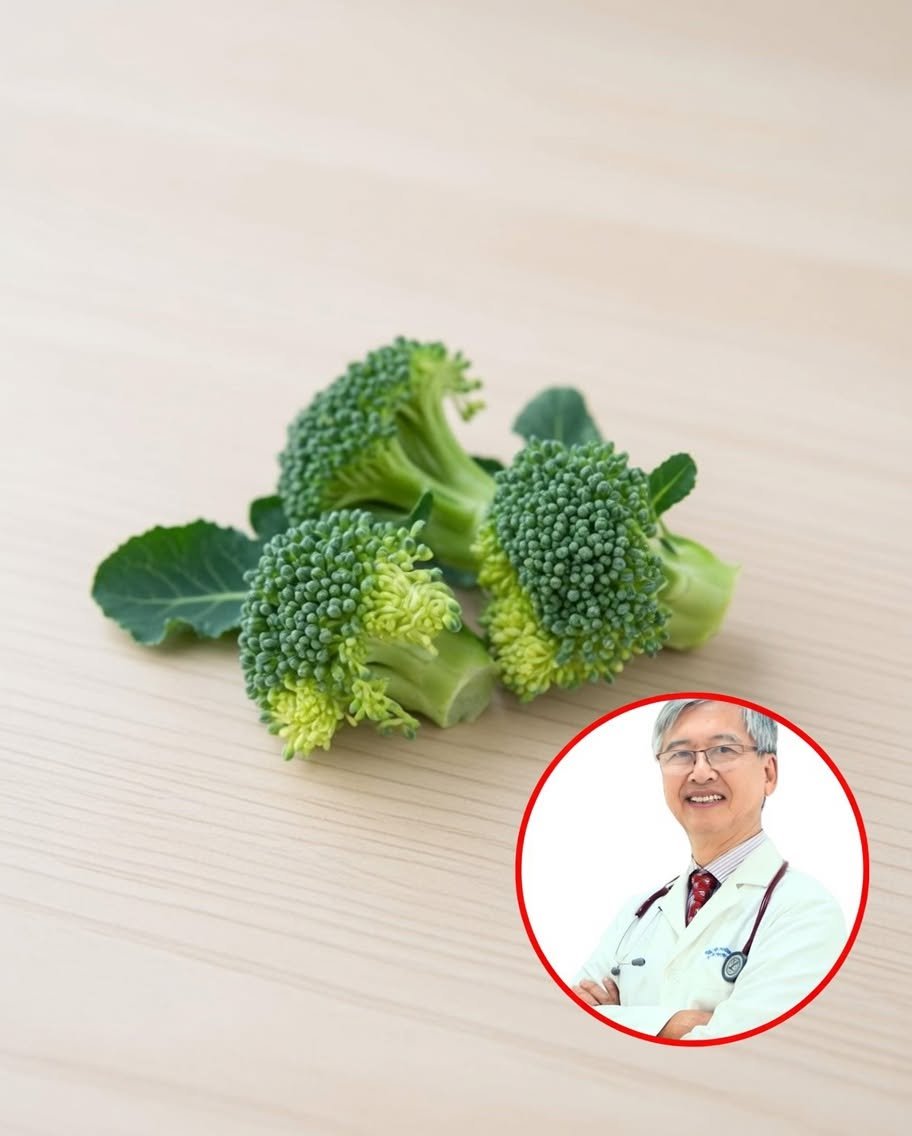
    Broccoli is more than just a low-calorie side dish—it is a nutrient-dense cruciferous vegetable that provides fiber, vitamin C, vitamin K, folate, potassium, and a range of naturally occurring plant compounds. One compound that has attracted considerable scientific interest is sulforaphane, which is formed from glucoraphanin found in broccoli and other cruciferous vegetables. Researchers have investigated sulforaphane for its antioxidant, anti-inflammatory, and cellular-protective properties. Regularly including broccoli in a varied diet may therefore support overall nutritional quality, while its fiber content can also contribute to healthy digestion and fullness. The important point is that broccoli should be viewed as part of a balanced dietary pattern rather than as a miracle food capable of treating disease.

    Research has also explored possible connections between cruciferous vegetable consumption and cardiovascular and cancer-related outcomes. Large observational analyses have found associations between higher cruciferous-vegetable intake and lower risks of several health outcomes, although the strength of evidence varies and observational studies cannot prove that broccoli itself caused the benefit. Scientists are particularly interested in glucosinolates and their breakdown products because laboratory research suggests they may influence pathways involved in oxidative stress, inflammation, detoxification, and cellular regulation. However, this should not be confused with evidence that eating broccoli can prevent or cure cancer. Human clinical evidence remains more limited, and researchers continue to investigate the appropriate amounts, preparation methods, and long-term effects.

    For everyday health, the simplest approach is to include broccoli as one part of a diverse diet alongside leafy greens, carrots, tomatoes, legumes, fruits, whole grains, and other minimally processed foods. Steaming or lightly cooking broccoli can make it easier to eat while preserving much of its nutritional value; excessive cooking may reduce some heat-sensitive nutrients and affect certain beneficial compounds. People taking medications affected by vitamin K intake should discuss major dietary changes with their healthcare professional rather than suddenly changing their broccoli consumption. Overall, broccoli is an excellent addition to a balanced meal, but no single vegetable can guarantee protection against disease or dramatically transform health on its own. Disclaimer: This article is for general educational and informational purposes only and does not constitute medical, nutritional, or treatment advice. Research suggests potential health benefits from broccoli and cruciferous vegetables, but associations do not prove that broccoli prevents or treats specific diseases. Always verify health claims through reliable scientific and medical sources and consult a qualified healthcare professional for personalized dietary guidance
  • Could Eating Walnuts Daily Improve Your Health? Experts Explain

    Could Eating Walnuts Daily Improve Your Health? Experts Explain

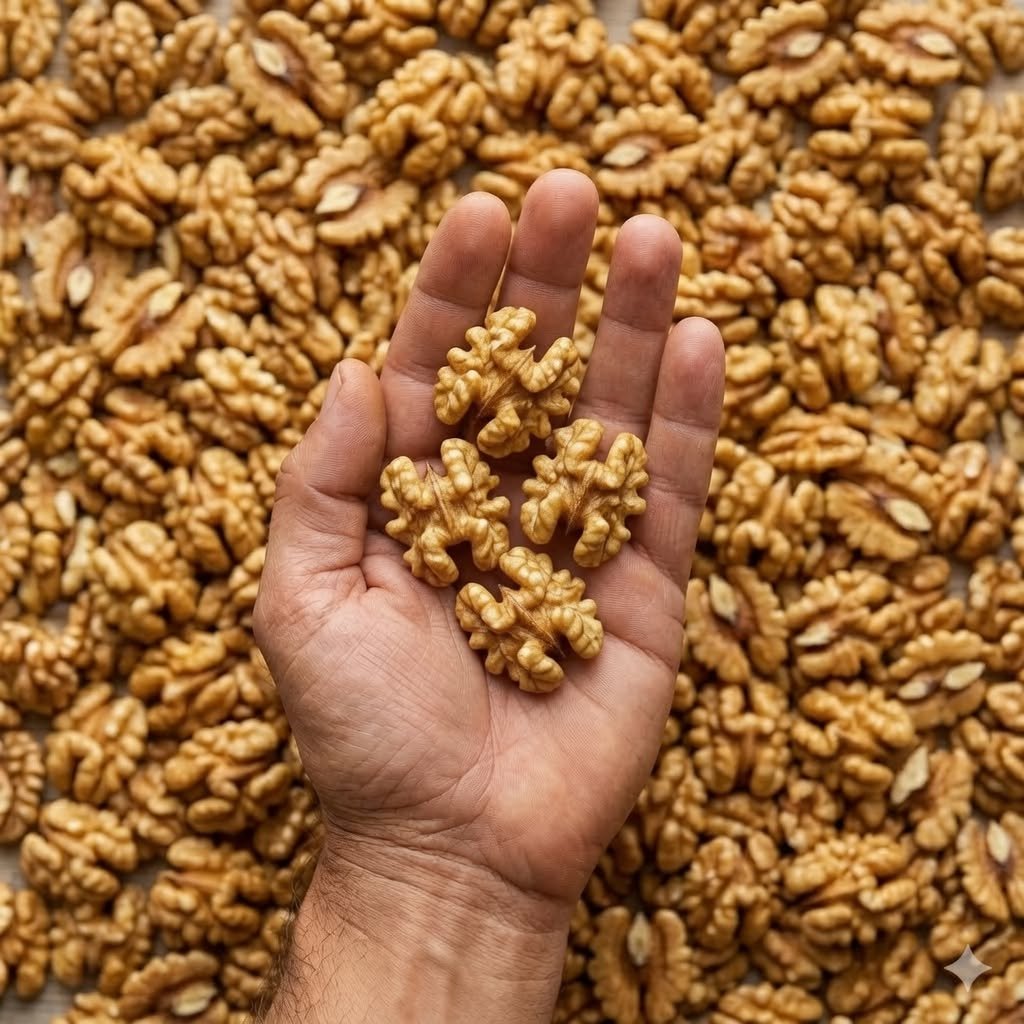
    Walnuts may be one of the more valuable additions to a balanced diet because they provide healthy unsaturated fats, plant-based protein, fiber, vitamins, minerals, and alpha-linolenic acid (ALA), a plant-based omega-3 fatty acid. Their nutritional profile has attracted considerable interest from cardiovascular researchers. Studies have found that diets containing walnuts can modestly improve blood lipid profiles, particularly by lowering total and LDL (“bad”) cholesterol. A systematic review of 26 clinical trials involving more than 1,000 participants found that walnut-enriched diets produced small but statistically significant reductions in total cholesterol, LDL cholesterol, and triglycerides. Walnuts are therefore not a miracle food, but replacing less nutritious snacks with a moderate serving of walnuts may be a smart dietary choice.

    Research has also examined whether regular walnut consumption could support long-term heart health. In a two-year randomized trial involving healthy older adults, participants who consumed walnuts daily experienced a modest reduction in LDL cholesterol and in the number of LDL particles, including smaller LDL particles associated with cardiovascular risk. Walnuts are particularly interesting because they contain ALA along with other polyunsaturated fats and plant compounds that may contribute to cardiovascular benefits. However, experts emphasize that these effects should be viewed within the context of an overall healthy lifestyle. Eating walnuts does not cancel out a diet high in processed foods, lack of physical activity, smoking, or uncontrolled blood pressure and cholesterol. Similarly, research has not established that walnuts alone can prevent heart attacks, strokes, diabetes, or other diseases.

    For most people, a small handful—around 1 ounce (28 grams) of unsalted walnuts can be a practical serving. Harvard Health notes that approximately 14 walnut halves provide about one ounce, while walnuts can easily be added to oatmeal, yogurt, salads, or other nutritious meals. Because walnuts are calorie-dense, eating very large quantities can add substantial calories even though they contain beneficial fats. People with nut allergies should avoid walnuts, and anyone with specific medical or dietary restrictions should ask a healthcare professional whether they are appropriate. The biggest benefit comes from using walnuts in place of less nutritious foods rather than simply adding extra calories to an already adequate diet. Disclaimer: This article is for general educational and informational purposes only and does not constitute medical, nutritional, or treatment advice. Research suggests potential cardiovascular benefits from regular walnut consumption, but no single food can guarantee better health or prevent disease. Always verify health claims through reliable scientific and medical sources and consult a qualified healthcare professional for personalized dietary guidance.

  • Your Favorite Sleeping Position Could Be Affecting Your Health

    Your Favorite Sleeping Position Could Be Affecting Your Health

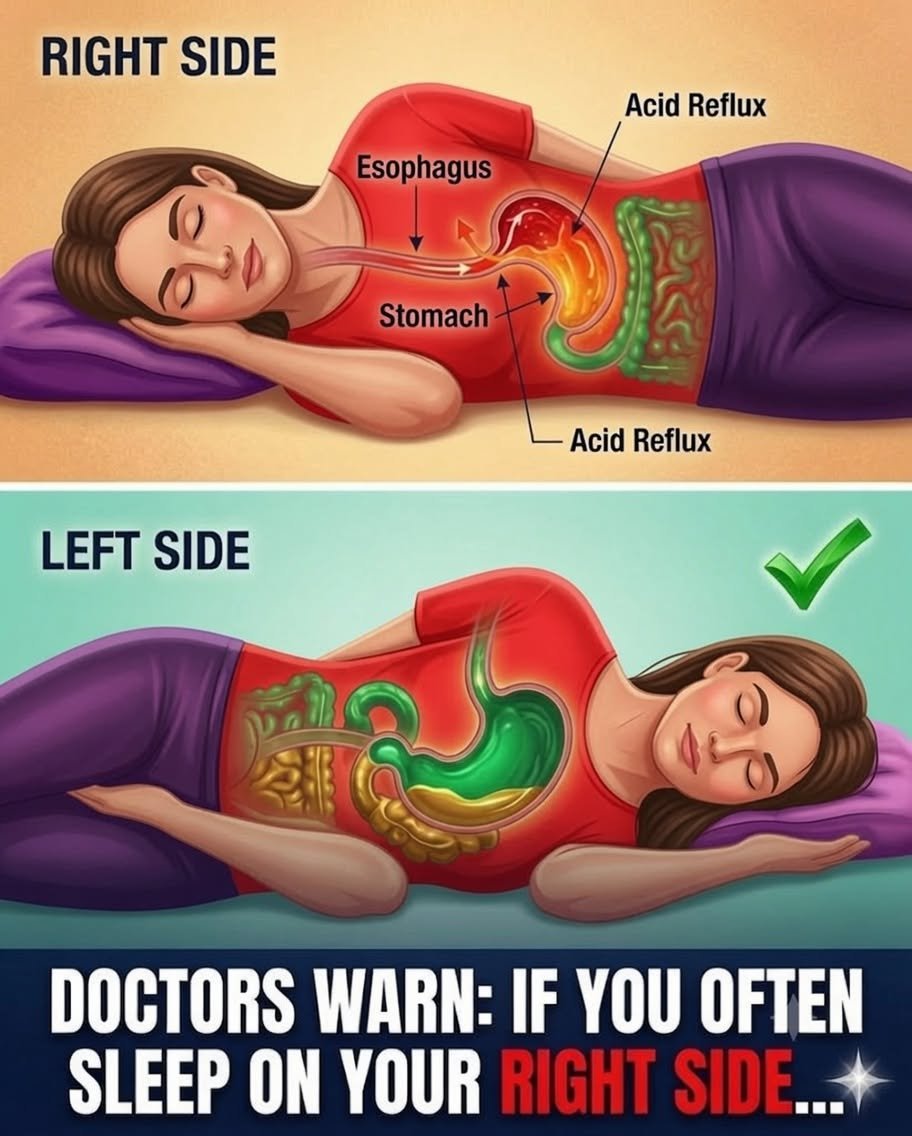
    Your preferred sleeping position may seem like nothing more than a personal habit, but it can influence spinal alignment, breathing, acid reflux, and morning aches or stiffness. There is no single position that is perfect for everyone; the best choice generally depends on your health, comfort, mattress, and ability to maintain a neutral spine. Side sleeping is often a good option because it can help keep the airway more open and may reduce snoring and symptoms of positional sleep apnea. For people who experience acid reflux, sleeping on the left side may also reduce the likelihood of stomach contents flowing back into the esophagus.

    Back sleeping can provide good spinal alignment and distribute body weight more evenly, which may benefit some people with back or joint discomfort. However, lying flat on the back can make snoring and sleep apnea worse for some people because the tongue and soft tissues can move toward the airway. Stomach sleeping has a different set of drawbacks. Because you generally need to turn your head to breathe, this position can place extra strain on the neck and may contribute to lower-back or shoulder discomfort. People with existing back or neck pain may therefore find side or back sleeping more comfortable. A pillow between the knees can help some side sleepers maintain better hip and spinal alignment, while a pillow beneath the knees may make back sleeping more comfortable.

    Rather than forcing yourself into a supposedly “perfect” position, pay attention to how your body feels when you wake up. Repeated neck pain, back stiffness, numbness, frequent headaches, loud snoring, nighttime gasping, or persistent daytime sleepiness may indicate that your sleeping setup or an underlying sleep problem deserves attention. If you regularly experience symptoms of sleep apnea or significant pain, discuss them with a qualified healthcare professional rather than relying solely on changing positions. Ultimately, the healthiest sleeping position is usually the one that allows you to breathe comfortably, maintain reasonable spinal support, and obtain consistent, restorative sleep. Disclaimer: This article is for general educational and informational purposes only and does not constitute medical advice, diagnosis, or treatment. Sleeping-position recommendations can vary according to individual health conditions, pregnancy, pain, and sleep disorders. Always verify health information through reliable medical and scientific sources and consult a qualified healthcare professional for persistent or concerning symptoms.

  • Your Swollen Legs Could Be Trying to Warn You About Something

    Your Swollen Legs Could Be Trying to Warn You About Something

    Swollen legs, ankles, or feet are commonly caused by oedema, which happens when excess fluid collects in body tissues. Sometimes the cause is temporary and relatively harmless, such as sitting or standing for too long, eating a high-sodium diet, being inactive, pregnancy, or certain medications. However, persistent or unexplained swelling can sometimes be associated with problems involving the heart, kidneys, liver, thyroid, or veins. You may notice tight shoes or socks, shiny or stretched skin, heaviness, discomfort, or a small indentation that remains after pressing the swollen area. While these signs do not automatically mean something serious is wrong, swelling that repeatedly returns or progressively worsens deserves medical attention rather than being ignored.

    One pattern that deserves particular attention is sudden swelling in only one leg, especially when accompanied by pain, tenderness, warmth, redness, or swollen surface veins. This can occur with deep vein thrombosis (DVT), a blood clot that usually develops in a deep vein of the leg. Swelling can also occur with heart failure, particularly when it appears alongside breathlessness, unusual tiredness, difficulty breathing when lying down, coughing at night, or sudden weight gain. Importantly, leg swelling by itself cannot tell you which condition is responsible. A healthcare professional may need to review your medications, medical history, circulation, and other symptoms before determining the cause.

    For mild swelling with an obvious temporary cause, gentle movement, avoiding prolonged sitting or standing, elevating the legs while resting, and reducing excessive salt intake may help. However, don’t simply self-treat swelling that is unexplained, persistent, severe, or getting worse. Seek urgent medical evaluation for sudden one-sided swelling or significant pain, and seek emergency care if swelling is accompanied by sudden difficulty breathing, chest pain, coughing up blood, fainting, or severe dizziness because these can occur with a pulmonary embolism. Disclaimer: This article is for general educational and informational purposes only and does not constitute medical advice, diagnosis, or treatment. Swollen legs have many possible causes, and swelling alone cannot confirm a particular disease. Always verify health information through reliable medical and scientific sources and consult a qualified healthcare professional about new, persistent, sudden, painful, or unexplained swelling.

  • 3 Pain Symptoms That Could Signal an Underlying Health Problem

    3 Pain Symptoms That Could Signal an Underlying Health Problem

    Pain is one of the body’s most important warning signals, but not every ache indicates a serious illness. The first symptom to take seriously is new or unexplained chest pain, particularly pressure, squeezing, tightness, or discomfort that spreads toward the arm, shoulder, back, neck, jaw, or upper abdomen. Chest discomfort accompanied by shortness of breath, sweating, nausea, dizziness, or unusual weakness can occur during a heart attack. Importantly, symptoms are not always dramatic, and some people—particularly women, older adults, and people with diabetes—may experience less typical symptoms. If chest pain is sudden, severe, unexplained, or lasts more than a few minutes, emergency medical evaluation is important rather than assuming it is indigestion or muscle pain.

    The second warning pattern is severe or persistent abdominal pain, especially when it is sudden, worsening, or accompanied by fever, repeated vomiting, blood in the stool, abdominal swelling, significant tenderness, or unexplained weight loss. Abdominal pain can result from relatively minor digestive problems, but it can also occur with conditions involving the appendix, gallbladder, pancreas, kidneys, intestines, or blood vessels. The third is a sudden, severe, or unusual headache, particularly when it appears abruptly or occurs alongside neurological changes such as weakness, difficulty speaking, confusion, vision problems, fainting, or loss of coordination. While many headaches are harmless, sudden neurological symptoms require urgent assessment because they can occur with serious conditions such as stroke. The key is not simply how painful something feels, but whether the pain is new, unusual, persistent, worsening, or accompanied by other concerning symptoms.

    Remember that pain alone cannot diagnose an underlying disease. Chest pain can come from muscles, reflux, anxiety, or lung conditions; abdominal pain can have numerous digestive and non-digestive causes; and headaches may result from dehydration, tension, migraine, infection, or many other conditions. What matters is recognizing unusual patterns and seeking appropriate medical evaluation instead of relying on online symptom lists. If pain is severe, sudden, unexplained, or accompanied by breathing difficulty, fainting, significant bleeding, weakness, confusion, or other emergency symptoms, seek urgent medical help. Disclaimer: This article is for general educational and informational purposes only and does not constitute medical advice, diagnosis, or treatment. These symptoms can have many different causes and do not automatically indicate a serious illness. Always verify health information through reliable medical and scientific sources and consult a qualified healthcare professional about persistent, severe, sudden, or unexplained pain.

  • What Your Morning Patterns May Reveal About Heart and Circulation Health

    What Your Morning Patterns May Reveal About Heart and Circulation Health

    What happens during the night can influence how your cardiovascular system functions the following morning. During healthy sleep, heart rate and blood pressure normally decrease, giving the cardiovascular system a period of relative rest. Research increasingly shows that sleep duration, regularity, continuity, and quality are connected with cardiovascular health. The American Heart Association recommends that most adults aim for about 7–9 hours of sleep and notes that poor or irregular sleep is associated with risk factors such as high blood pressure, stroke, inflammation, obesity, and abnormal blood sugar. This is why researchers pay attention to morning experiences such as waking feeling refreshed versus excessively tired, repeatedly waking during the night, or experiencing persistent morning headaches. These patterns do not provide a diagnosis of poor circulation, but they can offer clues that sleep quality or an underlying health issue deserves closer attention.

    One particularly important pattern is repeatedly waking unrefreshed despite getting enough time in bed. Loud snoring, pauses in breathing, gasping during sleep, morning headaches, and significant daytime sleepiness can occur with sleep apnea, a condition associated with cardiovascular risk. Another consideration is blood pressure: research has found that blood pressure that remains unusually high during sleep, rather than falling normally, is associated with increased cardiovascular risk. Some people may also notice swelling in the legs or ankles in the morning, cold extremities, unusual weakness, or persistent numbness; these symptoms can have many causes and should not automatically be interpreted as evidence of blocked arteries. Importantly, no single morning symptom can reliably tell you how well your circulation is working. Proper assessment may require blood-pressure measurements, medical history, physical examination, blood tests, or other cardiovascular testing.

    The good news is that several habits can support both healthy sleep and cardiovascular function. Maintain a consistent sleep and wake schedule, aim for adequate sleep, stay physically active, avoid tobacco, follow a balanced diet, and manage conditions such as high blood pressure, diabetes, and high cholesterol with appropriate medical guidance. The American Heart Association considers healthy sleep one of its key measures of cardiovascular health, while research also suggests that greater consistency in sleep timing is associated with better cardiovascular outcomes. If you regularly wake with severe shortness of breath, chest discomfort, fainting, significant swelling, or other concerning symptoms, seek medical attention rather than trying to interpret the pattern yourself. Disclaimer: This article is for general educational and informational purposes only and does not constitute medical advice, diagnosis, or treatment. Morning patterns cannot independently diagnose poor circulation, heart disease, or any other condition. Always verify health claims through reliable medical and scientific sources and consult a qualified healthcare professional about persistent or concerning symptoms.

  • If You Notice Someone With Unusually Prominent Veins, Here’s What They Should Know About Vein Health

    If You Notice Someone With Unusually Prominent Veins, Here’s What They Should Know About Vein Health

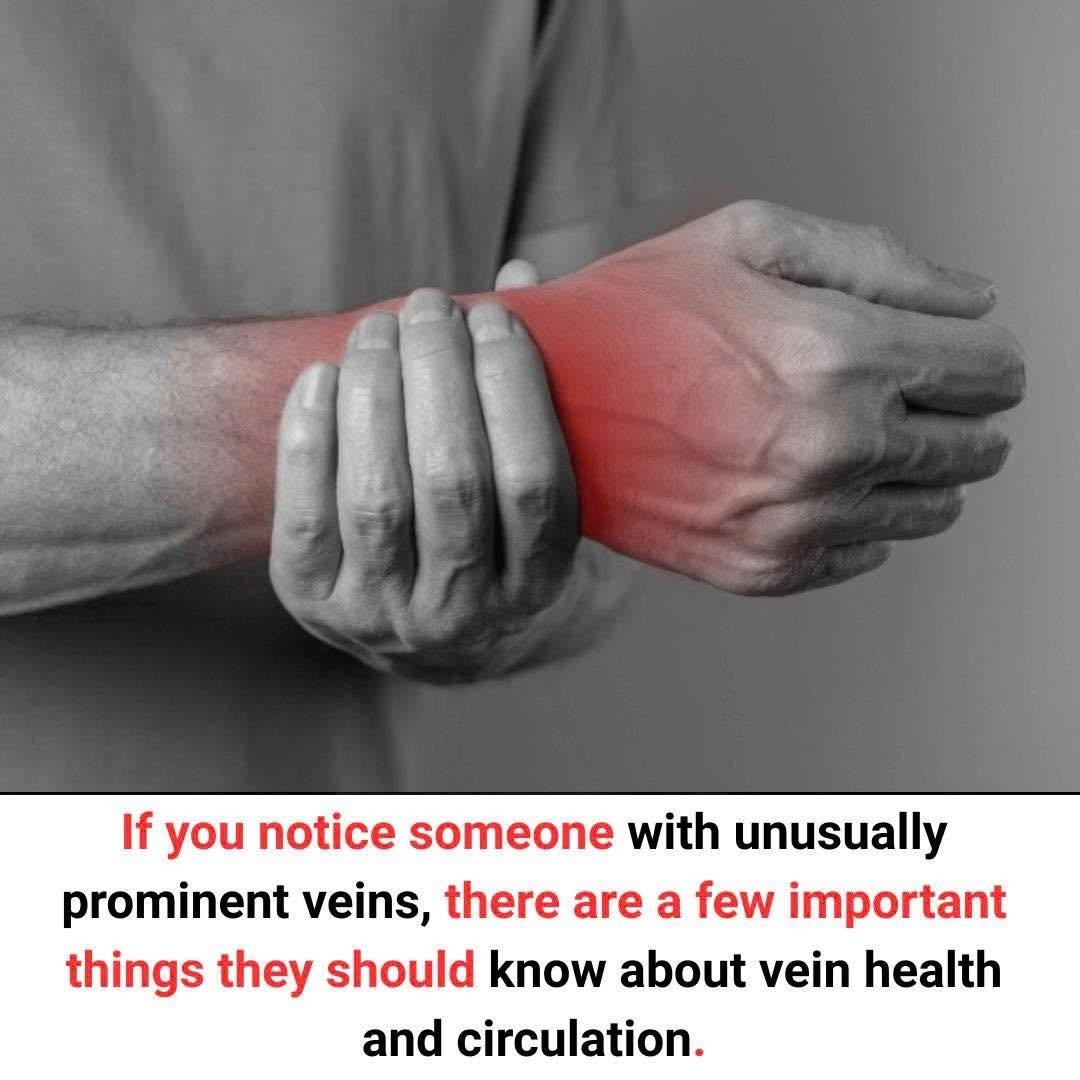
    Prominent or highly visible veins can look alarming, but visible veins are often completely normal. They may become easier to see when a person has a lower body-fat percentage, exercises regularly, builds muscle, becomes older, or simply has naturally superficial veins. Intense exercise, particularly weight training, can temporarily make veins in the arms and hands appear more pronounced because blood flow increases and muscles become more prominent. Thinner skin with age can also make normal veins easier to see. In the legs, however, enlarged, twisted or rope-like veins may represent varicose veins, which occur when valves inside superficial veins do not work properly and blood begins to pool. Varicose veins are common and are not usually dangerous, although they can sometimes cause discomfort or complications.

    The important thing is to notice changes rather than appearance alone. A vein that suddenly becomes much more prominent, particularly when accompanied by swelling, pain, tenderness, warmth, redness or skin discoloration, should be medically assessed. These symptoms can sometimes occur with a blood clot such as deep vein thrombosis (DVT). DVT commonly causes swelling and discomfort in one leg or arm and may also make surface veins appear larger than usual. Persistent leg heaviness, aching, itching, swelling around the ankles, or skin changes can also occur with venous disease or varicose veins. It is also worth remembering that visible veins do not automatically mean poor circulation. Circulation problems can involve many different symptoms, including swelling, numbness, cold extremities, pain, skin-color changes, or weakness, and a healthcare professional may need to determine the underlying cause.

    Supporting healthy veins generally involves simple lifestyle habits: stay physically active, avoid sitting or standing still for prolonged periods, maintain a healthy weight, avoid tobacco, and take regular movement breaks during long journeys or desk work. Walking is particularly useful because the calf muscles help pump blood back toward the heart. Elevating the legs when resting may also reduce symptoms associated with some varicose veins. Seek urgent medical attention if unusual leg or arm swelling is accompanied by sudden shortness of breath, chest pain, coughing up blood, fainting, or severe symptoms, because these can be signs of a potentially life-threatening complication such as pulmonary embolism. Disclaimer: This article is for general educational and informational purposes only and does not constitute medical advice, diagnosis, or treatment. Prominent veins have many possible causes and are often harmless. Always verify health information through reliable medical and scientific sources and consult a qualified healthcare professional about sudden, painful, swollen, or otherwise unusual changes in your veins.

  • Your Body May Be Sending These 8 Important Cancer Warning Signs

    Your Body May Be Sending These 8 Important Cancer Warning Signs

    Cancer can sometimes develop quietly, but certain persistent or unexplained changes in the body deserve medical attention. Eight warning signs worth knowing include an unexplained lump or swelling, unexplained weight loss, unusual or persistent fatigue, unexplained bleeding or bruising, pain that does not improve or keeps getting worse, changes in the skin such as a new or changing mole or a sore that does not heal, persistent changes in bowel or bladder habits, and a cough or hoarseness that does not go away. Other symptoms can include persistent fever or night sweats, difficulty swallowing, unexplained appetite changes, or swollen lymph nodes. These signs are important to recognize because early evaluation can sometimes help identify cancer at a stage when treatment is more effective. However, having one of these symptoms does not mean you have cancer—many are much more commonly caused by infections, inflammation, medication effects, hormonal changes, or other health conditions.

    Pay particular attention when a symptom is new, unexplained, persistent, or progressively worsening. For example, an unusual lump that continues to grow, blood in the stool or urine, unexplained weight loss, persistent abdominal or chest pain, or a skin lesion that repeatedly bleeds or refuses to heal should be assessed rather than ignored. Some symptoms may also appear in combinations. Persistent itching throughout the body, for example, is usually caused by something other than cancer, but medical evaluation is recommended when it lasts, disrupts sleep, or occurs alongside unexplained weight loss, fever, night sweats, jaundice, or swollen lymph nodes. Similarly, unusual fatigue can have countless causes, but persistent fatigue combined with other unexplained changes should be discussed with a healthcare professional. The goal is not to diagnose yourself from a symptom list, but to recognize when something has changed enough to warrant proper evaluation.

    If you notice a concerning change, consider making an appointment with a qualified healthcare professional rather than waiting for it to disappear. Depending on your symptoms, medical history, and age, a clinician may recommend an examination, blood tests, imaging, or other diagnostic testing. Routine screening is also important because certain cancers can be detected before symptoms appear. Avoid relying on social-media checklists, “miracle” foods, or home remedies to determine whether a symptom is cancer-related. The most valuable step is finding the actual cause. Disclaimer: This article is for general educational and informational purposes only and does not constitute medical advice, diagnosis, or treatment. These warning signs are not proof of cancer, and most can have non-cancerous explanations. Always verify cancer-related information through reliable medical and scientific sources and consult a qualified healthcare professional about any new, persistent, unexplained, or worsening symptoms.

  • If These Bruises Keep Appearing, Your Body May Be Trying to Tell You Something

    If These Bruises Keep Appearing, Your Body May Be Trying to Tell You Something

    Occasional bruises are extremely common and usually happen when small blood vessels beneath the skin are damaged by a bump or minor injury. As people age, the skin becomes thinner and loses some of the protective fatty tissue that cushions these vessels, making bruising easier. However, frequent, unusually large, painful, or unexplained bruises deserve more attention. Certain medications—including blood-thinning and antiplatelet medicines, some anti-inflammatory drugs, and corticosteroids—can increase the tendency to bruise. Some supplements may also contribute. (mayoclinic.org) This means recurring bruises do not automatically indicate a serious disease, but a sudden change in your usual bruising pattern is worth discussing with a healthcare professional.

    Sometimes easy bruising can be associated with problems involving platelets or the blood-clotting system. Low platelet levels, platelet-function disorders, and abnormalities involving clotting proteins can make bleeding beneath the skin more likely. (mayoclinic.org) Pay particular attention if bruises appear together with frequent nosebleeds, bleeding gums, unusually heavy menstrual bleeding, prolonged bleeding from small cuts, blood in the urine or stool, or tiny red-purple spots called petechiae. (mayoclinic.org) Large bruises appearing on the chest, abdomen, back, or face without a clear injury are also reasons to seek medical evaluation. A clinician may review your medications and medical history and, when appropriate, order blood tests to check platelet levels and clotting function. (mayoclinic.org)

    If you notice unexplained bruising, don’t stop prescribed medication on your own, even if you suspect it is contributing. Instead, discuss it with your doctor or pharmacist. For an ordinary bruise, resting the area, elevating it, and applying a wrapped cold pack for short periods during the first day or two may help reduce swelling and discomfort. (mayoclinic.org) Seek prompt medical attention if bruising is accompanied by significant bleeding, severe pain, rapidly increasing swelling, or bleeding that will not stop. The key message is simple: one unexplained bruise usually isn’t a reason to panic, but a new pattern of frequent or unexplained bruising should not be ignored. Disclaimer: This article is for general educational and informational purposes only and does not constitute medical advice, diagnosis, or treatment. Easy bruising has many possible causes, and bruises alone cannot diagnose an underlying illness. Always verify health information through reliable medical and scientific sources and consult a qualified healthcare professional about persistent, sudden, severe, or unexplained bruising.

  • A 100-Year-Old Doctor Reveals Her Longevity Secret: Four Vegetables She Eats Regularly

    A 100-Year-Old Doctor Reveals Her Longevity Secret: Four Vegetables She Eats Regularly

    Stories about centenarians who remain active well into old age are fascinating, especially when they attribute their longevity to simple daily habits. One popular claim suggests that a 100-year-old doctor continues treating patients and credits her long life to eating four types of vegetables. While an individual’s routine can be inspiring, it is important not to present a personal habit as scientifically proven to cause longevity. Research does, however, strongly support eating a variety of vegetables as part of a healthy dietary pattern. Four excellent choices are leafy greens such as spinach and kale, broccoli and other cruciferous vegetables, carrots, and tomatoes. These foods provide fiber, vitamins, minerals, and numerous naturally occurring plant compounds. The American Heart Association reports that diets containing around five servings of fruits and vegetables daily—particularly three servings of vegetables—are associated with a lower risk of death from cardiovascular disease, cancer, and other major conditions.

    Leafy greens may be especially valuable because they provide nutrients such as folate, vitamin K, lutein, and other plant compounds. Research supported by the National Institute on Aging found that older adults who consumed more green leafy vegetables experienced slower cognitive decline over several years, although this was an association and does not prove that greens alone prevented cognitive decline. Broccoli and other cruciferous vegetables are also nutrient-rich choices, while carrots and tomatoes provide carotenoids and other beneficial compounds. The National Institute on Aging recommends a varied eating pattern that includes different types of vegetables, fruits, whole grains, legumes, and other nutritious foods rather than depending on one particular food. This variety matters because different vegetables provide different nutrients, and combining them can make it easier to meet nutritional needs throughout life.

    The bigger lesson from a long-lived doctor’s routine is therefore not that four specific vegetables can guarantee a 100-year lifespan, but that consistent healthy habits may contribute to healthier aging. Longevity is influenced by many factors, including genetics, physical activity, sleep, blood pressure, metabolic health, smoking status, social circumstances, healthcare, and overall dietary quality. The National Institute on Aging notes that Mediterranean-style and MIND-style eating patterns, both rich in vegetables and other minimally processed foods, are associated with several markers of healthier aging. A practical approach is to rotate leafy greens, broccoli, carrots, tomatoes, and other colorful vegetables throughout the week rather than searching for a single “longevity food.” Disclaimer: This article is for general educational and informational purposes only and does not constitute medical, nutritional, or treatment advice. The specific claims about an individual centenarian’s routine should be independently verified, and eating these vegetables cannot guarantee longevity or prevent disease. Always verify health information through reliable scientific and medical sources and consult a qualified healthcare professional for personalized dietary guidance.