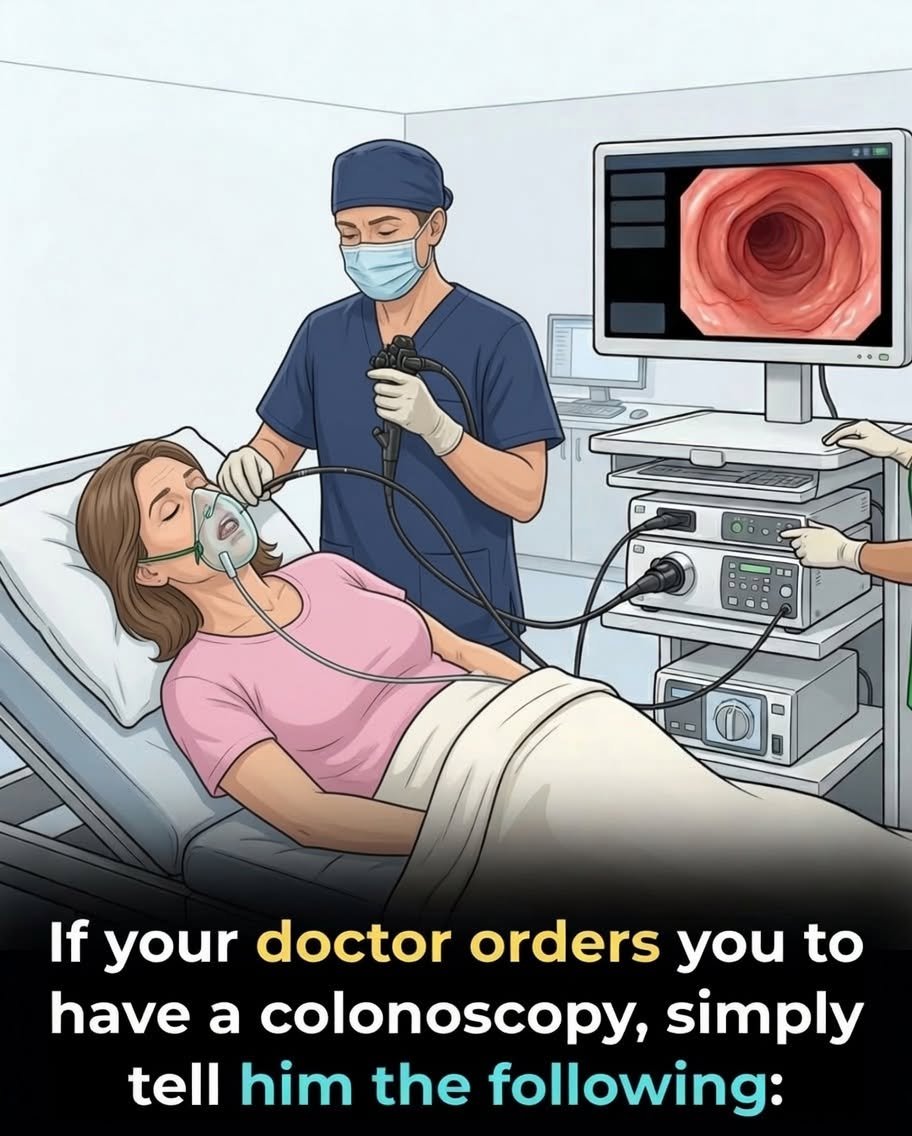
One of the most important parts of preparing for a colonoscopy is completing the bowel preparation exactly as instructed. A colonoscopy allows a doctor to examine the lining of the rectum and colon for problems such as inflammation, ulcers, polyps, bleeding, and colorectal cancer. But if stool remains inside the colon, the doctor may not be able to see the lining clearly, potentially affecting the quality of the examination. (niddk.nih.gov) Depending on your doctor’s instructions, preparation may involve avoiding high-fiber foods for several days and switching to clear liquids for a specified period before the procedure. Clear liquids can include water, certain clear juices without pulp, broth, and plain tea or coffee without milk or cream. Some instructions also recommend avoiding red or purple-colored drinks and gelatin because they can interfere with visualization. (niddk.nih.gov)
Another important detail is your medication and medical history. Before the procedure, tell your healthcare team about every prescription medicine, over-the-counter drug, vitamin, and supplement you take. Certain medications may require special instructions, particularly blood thinners, diabetes medicines, iron supplements, or medicines that affect bleeding or blood sugar. (niddk.nih.gov) Never stop a prescribed medication on your own simply because you are having a colonoscopy. Your doctor or procedure team should tell you exactly what to take, change, or temporarily stop. It is also important to follow the timing of the bowel-prep solution carefully. The preparation commonly causes frequent watery bowel movements, so staying near a bathroom is essential. If side effects prevent you from completing the preparation, contact your healthcare professional rather than simply abandoning it. (niddk.nih.gov)
Finally, arrange transportation home before your appointment. Sedatives or anesthesia may be used during colonoscopy, and you should not drive until their effects have completely worn off. (niddk.nih.gov) Afterward, mild cramping or bloating can occur, while a small amount of bleeding may be expected if a biopsy or polyp removal was performed. However, severe abdominal pain, fever, persistent or heavy bleeding, dizziness, or significant weakness requires prompt medical attention. (niddk.nih.gov) Disclaimer: This article is for general educational information only and does not constitute medical diagnosis, treatment, or personalized medical advice. Colonoscopy preparation instructions vary according to the individual, procedure, medications, and healthcare facility. Always follow the specific instructions provided by your medical team and verify any questions with them before changing your diet, medications, or bowel-preparation schedule.
Leave a Reply