Author: Mohsin king

  • These Are the Consequences of Sleeping With a… See More

    These Are the Consequences of Sleeping With a… See More

    One common habit that can affect your health is sleeping with wet hair. Going to bed with damp hair occasionally is unlikely to cause a serious problem, but making it a regular habit may increase hair breakage because wet hair is more fragile and more vulnerable to friction against a pillow. Cleveland Clinic dermatologists explain that wet strands can stretch, snap, and break more easily, particularly when there is repeated friction during sleep. (clevelandclinic.org) A consistently damp scalp may also create a warm, moist environment that encourages the growth of microorganisms and may contribute to problems such as dandruff or scalp irritation in some people. (clevelandclinic.org)

    The effects can become more noticeable when someone sleeps with wet hair tied tightly in a bun, braid, or ponytail. Because wet strands are weaker, additional tension can increase the likelihood of breakage and split ends. (healthcare.utah.edu) A better nighttime routine is to allow your hair to dry naturally before bed whenever possible. If you need to dry it quickly, using a hair dryer on a cool or low-heat setting can reduce the amount of time your scalp and hair remain damp. It is also sensible to avoid aggressive brushing or tight hairstyles while the hair is wet. Importantly, sleeping with wet hair does not mean you will automatically catch a cold or develop an infection; the main concerns are hair fragility and, in some circumstances, scalp moisture and irritation rather than the common myth that wet hair itself causes illness.

    Another nighttime habit that deserves attention is sleeping while wearing contact lenses. Unlike sleeping with wet hair, this can carry a much more significant health risk. The CDC reports that sleeping in contact lenses increases the risk of contact-lens-related eye infections, and serious infections can potentially damage vision. (cdc.gov) Contact-lens users should follow their eye-care professional’s instructions and remove lenses before sleeping unless specifically instructed otherwise. If you develop eye pain, redness, unusual discharge, light sensitivity, or blurred vision after sleeping in lenses, remove them and seek prompt eye-care advice. (cdc.gov) Disclaimer: This article is for general educational and informational purposes only and does not constitute medical advice, diagnosis, or treatment. Individual responses can vary, and health claims should be verified through reliable medical and scientific sources. Consult a qualified healthcare professional for persistent or concerning symptoms.


  • Tiny White Spots on Your Arms or Legs Could Be a Sign of…

    Tiny White Spots on Your Arms or Legs Could Be a Sign of…

    Tiny white spots on the arms or legs can be surprisingly common, and in many cases they are not a sign of anything dangerous. One possible explanation is a change in skin pigmentation called hypopigmentation, where an area contains less melanin than the surrounding skin. Another possibility is vitiligo, a condition in which pigment-producing cells are damaged or stop functioning properly, resulting in pale or white patches. Vitiligo can affect the arms, hands, knees, elbows, feet, and other areas, and patches may gradually become more noticeable. Other skin conditions can also create lighter-looking areas, including certain fungal infections or changes following previous inflammation or irritation. Because these conditions can look similar, the appearance of a spot alone cannot reliably identify its cause.

    The size, texture, location, and progression of the spots can provide useful clues. Vitiligo often creates clearly defined pale or white patches and may eventually become more extensive. If the spots are tiny, rough, raised, itchy, or accompanied by dryness, another dermatological condition could be responsible. For example, keratosis pilaris commonly produces tiny rough bumps on the upper arms and thighs, although these are usually skin-colored or red rather than truly white. Sun exposure can also make areas of reduced pigmentation appear more noticeable because the surrounding skin becomes darker. Importantly, white spots do not automatically indicate a vitamin deficiency, cancer, or an internal disease. If new spots continue appearing, spread, change significantly, become itchy or scaly, or are accompanied by other unusual symptoms, a doctor or dermatologist can examine the skin and determine whether further testing is appropriate.

    The best approach is to avoid self-diagnosing from online photographs and instead monitor persistent or changing skin pigmentation. If vitiligo is suspected, protecting affected skin from excessive sunlight is particularly important because areas with reduced melanin are more vulnerable to sunburn. Taking photographs over time can also help you notice whether the spots are increasing or changing, especially when viewed under similar lighting. A healthcare professional may be able to diagnose the condition simply by examining the skin and, when necessary, using specialized tools such as a Wood’s lamp to distinguish different causes of pigment loss. Disclaimer: This article is for general educational and informational purposes only and does not constitute medical advice, diagnosis, or treatment. Tiny white spots can have many different causes, and their appearance alone cannot confirm a particular condition. Always verify health information through reliable medical and scientific sources and consult a qualified healthcare professional for an accurate evaluation.

  • What Happens After Gallbladder Removal? Recovery, Digestion, and Potential Risks

    What Happens After Gallbladder Removal? Recovery, Digestion, and Potential Risks

    Gallbladder removal, medically known as a cholecystectomy, is a common operation usually performed when gallstones cause repeated pain, inflammation, blockage, or other complications. The gallbladder stores bile produced by the liver, but it is not an essential organ. After removal, bile continues to be produced by the liver and flows directly into the small intestine rather than being stored in the gallbladder. This means most people can continue to digest food normally and eventually return to a regular, balanced diet. Most operations are performed using minimally invasive keyhole surgery, and many patients can return home the same day. Recovery varies, but people often return to work within about one to two weeks, depending on the type of surgery and their occupation. During the first few days, small meals may feel easier, while gentle movement and gradually increasing activity can support recovery.

    Digestive changes are possible after surgery, although many people experience few long-term problems. Because bile flows into the intestine more continuously, some people temporarily develop softer or more frequent stools, diarrhea, bloating, indigestion, or abdominal discomfort. Fatty foods may be harder for some individuals to tolerate during the early recovery period, so eating smaller portions and gradually reintroducing richer foods can be helpful. However, there is generally no requirement for a permanent special diet after gallbladder removal. Most people eventually return to normal eating patterns. It is still sensible to emphasize vegetables, fruits, whole grains, appropriate protein sources, and moderate amounts of healthy fats as part of an overall nutritious diet. If diarrhea, persistent pain, nausea, or indigestion continues rather than improving, medical evaluation is appropriate because these symptoms can sometimes be related to post-cholecystectomy problems or another digestive condition.

    Although gallbladder surgery is generally considered safe, potential complications can occur, including infection, bleeding, blood clots, injury to nearby organs or bile ducts, bile leakage, or stones remaining in the bile ducts. These complications are uncommon, but recognizing warning signs is important. Severe or worsening abdominal pain, persistent vomiting, fever or chills, pus or increasing redness around the surgical wound, or yellowing of the skin or eyes should prompt medical attention. Most importantly, gallbladder removal does not mean a person must live with digestive problems permanently; many patients recover well and return to their normal routines. Disclaimer: This article is for general educational and informational purposes only and does not constitute medical advice, diagnosis, or treatment. Recovery and digestive responses vary between individuals, and complications require professional assessment. Always verify health information through reliable medical sources and consult your surgeon or qualified healthcare professional for personalized guidance.

  • 64-Year-Old Woman Ate a Boiled Sweet Potato Every Morning for a Year. She Was Surprised by What Doctors Found

    64-Year-Old Woman Ate a Boiled Sweet Potato Every Morning for a Year. She Was Surprised by What Doctors Found

    A daily boiled sweet potato can certainly be part of a nutritious breakfast, but there is no reliable evidence that eating one every morning for a year produces a dramatic or guaranteed medical transformation. Sweet potatoes are naturally rich in beta-carotene, which the body can convert into vitamin A, and they also provide fiber, potassium, vitamin C, and vitamin B6. For older adults, getting adequate fiber is particularly valuable because it supports normal bowel function and can contribute to overall metabolic health. Boiling is also a reasonable preparation method; Harvard’s Nutrition Source notes that boiling can retain substantial amounts of beta-carotene, particularly when cooking time is controlled. So if a 64-year-old woman included a plain boiled sweet potato in her morning routine, doctors might reasonably observe that she was consuming a nutrient-dense whole food—but that does not mean the food alone caused any particular medical outcome.

    One potentially meaningful change could involve digestive regularity and overall diet quality. A typical sweet potato provides dietary fiber, while its potassium and vitamin content can contribute to a balanced nutritional pattern. Its orange flesh is especially rich in beta-carotene, an important source of provitamin A that supports normal vision and immune function. However, portion size and the rest of the person’s diet still matter. Sweet potatoes contain carbohydrates and can raise blood glucose, so people managing diabetes or blood-sugar problems should consider their individual dietary needs rather than assuming that a “healthy” food can be eaten without limits. Similarly, someone with certain kidney conditions may need individualized advice about potassium intake. The real lesson is that one food can contribute valuable nutrients, but overall dietary patterns matter far more than a single daily habit.

    After a year, the most realistic “surprise” would not necessarily be a dramatic medical discovery—it could simply be that a consistent, minimally processed food became part of a healthier breakfast routine. Sweet potatoes can be paired with protein-rich foods such as eggs, beans, yogurt, or other nutritious options to create a more balanced meal. Their naturally sweet flavor also means they can be enjoyed without large amounts of added sugar. For someone in their 60s, maintaining a varied diet containing vegetables, fruits, whole grains, legumes, healthy protein sources, and appropriate amounts of healthy fats is generally more valuable than relying on one “superfood.” Disclaimer: This article is for general educational and informational purposes only and does not constitute medical or nutritional advice. There is no guarantee that eating a boiled sweet potato every morning will produce specific health results, and individual responses vary. Always verify health claims through reliable scientific or medical sources and consult a qualified healthcare professional for personalized dietary guidance.

  • Tiny White Spots on Your Arms or Legs Could Be a Sign of…

    Tiny White Spots on Your Arms or Legs Could Be a Sign of…

    Tiny white or lighter-colored spots on the arms or legs can look harmless, and often they are. However, changes in skin pigmentation can have several possible explanations, ranging from ordinary sun-related changes to conditions such as vitiligo or fungal skin infections. Vitiligo occurs when pigment-producing cells called melanocytes are damaged or no longer function normally, producing pale or white patches. It can affect the hands, arms, knees, elbows, feet, and other areas, and the patches may gradually become more noticeable. Another possibility is pityriasis versicolor, a common fungal skin condition that can create pale, pink, brown, or lighter patches, particularly on the upper arms, chest, back, and neck. Because several different conditions can produce similar-looking spots, the appearance alone is not enough to determine the cause.

    There are also completely benign explanations for small white spots. Some may represent areas of reduced pigmentation that have existed for years, while others can appear after previous inflammation, irritation, injury, or sun exposure. The pattern can provide useful clues: vitiligo often produces clearly defined pale patches and may occur symmetrically on both sides of the body, while pityriasis versicolor can produce flatter patches that may have fine scaling and sometimes mild itching. Importantly, having white spots does not automatically mean you have a serious disease, and it is not appropriate to assume that every pigmentation change represents a vitamin deficiency or another internal health problem. If the spots are new, increasing in number, changing in appearance, becoming itchy or scaly, or appearing alongside other unusual skin changes, a doctor or dermatologist can examine them and determine whether further testing is necessary. NHS guidance specifically recommends professional assessment when you are concerned about changes in skin color.

    The best approach is to avoid self-diagnosing from social-media pictures and instead monitor any persistent skin changes. Taking occasional photographs in similar lighting can help you notice whether the spots are spreading or changing, while protecting exposed skin from excessive sunlight is especially important when areas have lost pigment. People with vitiligo have less melanin in affected areas, making those patches more vulnerable to sunburn, so appropriate sun protection is recommended. If the spots continue to spread, become symptomatic, or simply concern you, arrange an examination with a qualified healthcare professional or dermatologist. Disclaimer: This article is for general educational and informational purposes only and does not constitute medical advice, diagnosis, or treatment. Tiny white spots can have many different causes, and their appearance alone cannot establish a diagnosis. Always verify health information through reliable medical or scientific sources and consult a qualified healthcare professional for an accurate assessment.

  • Across Different Traditions, a Lizard in Your Home Can Symbolize More Than You Think

    Across Different Traditions, a Lizard in Your Home Can Symbolize More Than You Think

    Finding a lizard inside the home is usually a simple part of nature, especially in warm climates where geckos commonly enter buildings looking for insects, shelter, and suitable temperatures. Yet across different cultures, people have attached symbolic and traditional meanings to these small reptiles. In some South Asian and Southeast Asian folk traditions, house geckos have been associated with protection, good fortune, or household omens, while South Indian folk practices have developed detailed interpretations based on a lizard’s location and behavior. (richardalois.com) Other cultural interpretations connect the lizard with adaptability, survival, transformation, and renewal because of characteristics such as its ability to shed skin and, in many species, regenerate a lost tail. (enviroliteracy.org) These meanings are part of folklore and cultural storytelling rather than scientifically established predictions about someone’s future.

    Interestingly, interpretations can differ dramatically depending on the tradition. Some communities view a lizard around the home as a guardian or positive presence, while others historically associate certain reptiles with caution, misfortune, or unwanted influences. In Māori cultural contexts, lizards have been associated with guardianship and relationships between the living world and ancestors, although these traditions should be understood within their specific cultural framework rather than generalized to every lizard sighting. (richardalois.com) South Asian folk traditions can also assign different meanings depending on where the lizard appears or how it behaves, but these interpretations vary between regions and communities. Importantly, Islamic teachings should not be mixed with unrelated folklore: a house lizard is not automatically a jinn or supernatural being. A Hanafi scholarly response specifically states that the lizards commonly found in homes are lizards, not jinn. (islamqa.org) This distinction is important because cultural symbolism and religious belief are not necessarily the same thing.

    From a practical perspective, a lizard entering your home usually has a straightforward explanation: it may be looking for food, warmth, water, or shelter. Rather than assuming that its appearance predicts wealth, illness, death, or another major event, homeowners can simply consider ordinary environmental factors such as insects, open windows, cracks, or outdoor lighting. If lizards become frequent visitors, sealing entry points and reducing insect activity may help naturally. Cultural interpretations can still be interesting when presented respectfully as traditions rather than facts. Ultimately, the “meaning” of a lizard in the home depends on the culture, family tradition, and personal beliefs of the people observing it. Disclaimer: This article is for general educational and cultural purposes only. Symbolic meanings associated with lizards vary widely across traditions and are not scientifically proven predictions or guarantees of future events. Religious claims should be verified through qualified scholars, while cultural and historical claims should be checked against reliable sources.

  • After a Loved One’s Passing: Four Meaningful Items Some Traditions Say You Should Never Throw Away

    After a Loved One’s Passing: Four Meaningful Items Some Traditions Say You Should Never Throw Away

    After someone we love passes away, ordinary belongings can suddenly carry enormous emotional value. There is no universal rule that says certain possessions must always be kept, but many families and cultures preserve objects that help maintain a connection with the person’s memory and family history. Research on bereavement has found that photographs, letters, and everyday objects can become meaningful reminders of someone who has died. Four commonly preserved categories include family photographs, handwritten letters or journals, meaningful jewelry and heirlooms, and items connected with important family traditions. These might include a wedding ring, watch, favorite book, recipe card, medal, handmade item, or another possession with a story behind it. The financial value of an object is often far less important than the memories attached to it. For children and grandchildren, these possessions can eventually become tangible pieces of family history.

    Photographs and handwritten materials can be especially meaningful because they preserve details that may otherwise disappear with time. A photograph can show younger generations what a loved one looked like, while a handwritten note can preserve their handwriting, expressions, and personality. In studies of bereaved families, physical possessions have been described as important links to deceased loved ones, with photographs and letters sometimes providing a particularly powerful sense of connection. Personal heirlooms can work similarly. A grandfather’s watch, a mother’s recipe book, or a family member’s favorite book may become treasured objects because they carry a story that can be passed from one generation to another. Some families also preserve religious or cultural memorial items according to their traditions. However, these practices vary significantly between cultures and families. In Pakistan, for example, research documenting funeral customs shows that some communities distribute the deceased person’s clothing and possessions among relatives or donate them to people in need. This demonstrates why there is no single worldwide rule about what families should keep.

    The most important point is that grief does not require you to keep everything. Some belongings may provide comfort, while others may be too painful to keep or may simply have no practical purpose. Decisions can be made gradually, especially when emotions are still intense. Families may choose to preserve a small memory box, digitize important documents, donate useful possessions, or pass meaningful heirlooms to relatives. From an Islamic perspective, there is also no general requirement that a deceased person’s clothes and belongings must be discarded; they form part of the estate and can be handled according to the applicable inheritance rights, while voluntary charitable giving is permissible when the relevant heirs agree. Disclaimer: This article is for general educational and informational purposes only. Traditions surrounding a deceased person’s belongings vary widely by culture, family, and religious interpretation, and there is no universal list of items that must never be discarded. Always verify religious or legal questions with a qualified scholar or appropriate professional, and make inheritance decisions according to applicable laws and legitimate heirs’ rights.

  • These Small Mouth Symptoms Could Point to a Bigger Health Problem

    These Small Mouth Symptoms Could Point to a Bigger Health Problem

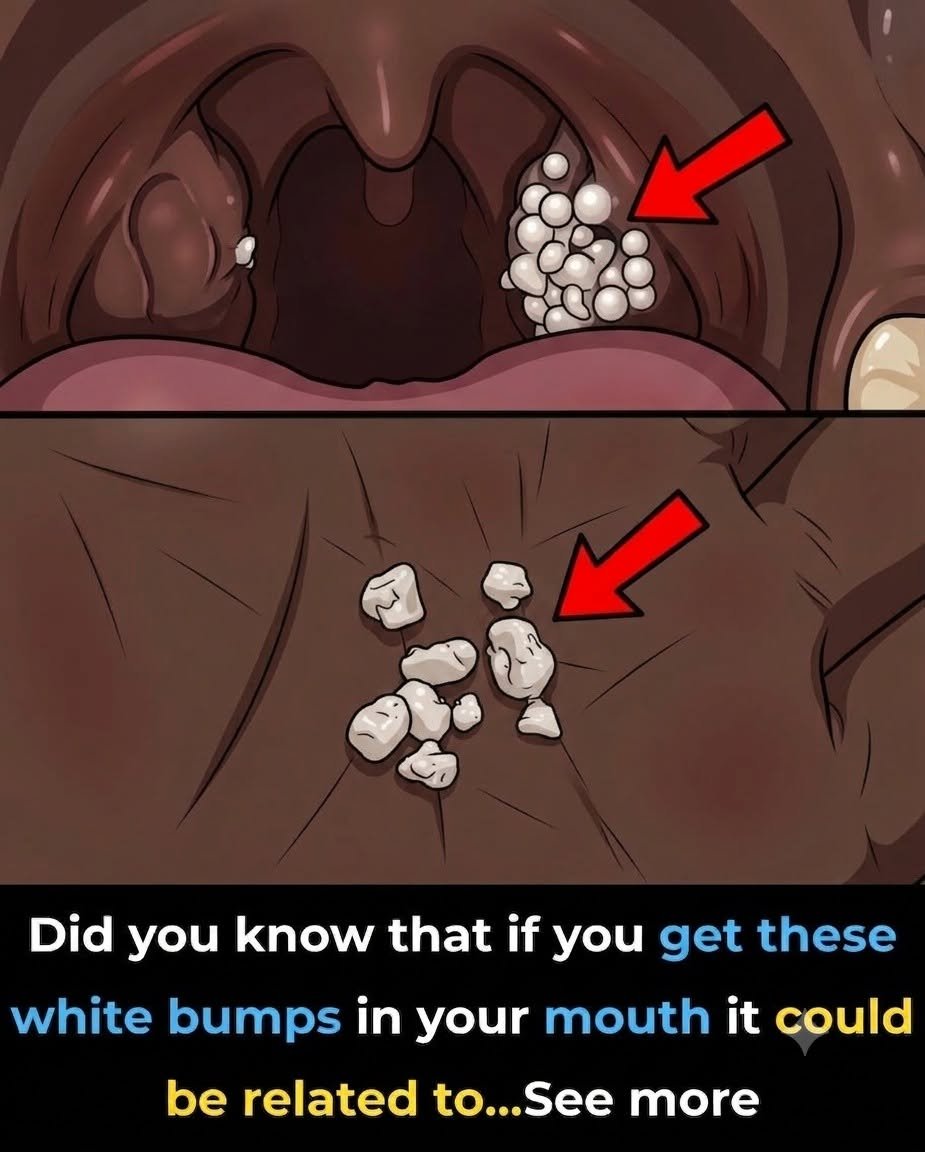
    Small changes inside the mouth are often caused by everyday issues such as irritation, dehydration, minor injuries, dental problems, or nutritional deficiencies, but persistent symptoms deserve attention. A mouth ulcer that does not heal, unexplained bleeding, a red or white patch, persistent mouth pain, a new lump, or unusual numbness can sometimes indicate an underlying condition that needs professional evaluation. The NHS advises that a mouth ulcer lasting longer than three weeks, a persistent lump, red or white patch, ongoing pain, or difficulty swallowing or speaking should be checked by a doctor or dentist. These symptoms do not automatically mean cancer; in fact, mouth ulcers and other oral problems are extremely common and usually have less serious causes. The important factor is whether the symptom is unusual for you, continues instead of healing, or becomes progressively worse.

    Some mouth symptoms can also provide clues about oral health and general wellness. Bleeding, swollen, red, or painful gums are common signs of gum disease, which can also lead to bad breath, gum recession, loose teeth, and dental abscesses if it progresses. Persistent dry mouth can have several causes, including dehydration, certain medications, mouth breathing, anxiety, or conditions such as diabetes. More concerning oral changes include a sore that refuses to heal, a lump or thickened area, persistent red or white patches, unexplained numbness, difficulty chewing or swallowing, or unexplained weight loss. These features can occur with oral or throat cancers, but they can also result from other diseases or infections. The American Cancer Society emphasizes that persistent symptoms lasting more than a few weeks should be evaluated rather than self-diagnosed.

    The best approach is to maintain preventive dental care and pay attention to changes that do not resolve normally. Brush your teeth regularly with fluoride toothpaste, clean between your teeth, maintain routine dental examinations, and avoid tobacco products, which are established risk factors for mouth cancer. If a mouth ulcer lasts more than three weeks, a lump develops, an unexplained red or white patch remains, or pain, bleeding, swallowing difficulties, or numbness persist, arrange an appointment with a dentist or qualified healthcare professional. Early assessment does not mean that a serious disease is present—it simply helps identify the actual cause and ensures that treatment is not unnecessarily delayed. Disclaimer: This article is for general educational and informational purposes only and does not constitute medical advice, diagnosis, or treatment. Mouth symptoms have many possible causes, and the presence of any single symptom does not confirm cancer or another serious disease. Always verify health information through reliable medical and scientific sources and consult a qualified healthcare professional for persistent or concerning symptoms.

  • The Fish You Eat Most Often Could Contain More Mercury Than Expected

    The Fish You Eat Most Often Could Contain More Mercury Than Expected

    Fish is widely recognized as a nutritious source of protein, omega-3 fatty acids, vitamins, and minerals, but mercury exposure is an important consideration when choosing certain species. Nearly all fish and shellfish contain trace amounts of methylmercury, although levels vary considerably between species. Larger, longer-living predatory fish generally accumulate more mercury because they consume other fish over time. The FDA identifies shark, swordfish, king mackerel, marlin, orange roughy, Gulf of Mexico tilefish, and bigeye tuna among the fish with the highest mercury levels. This does not mean people should stop eating fish altogether. In fact, fish can be an important part of a balanced diet, and choosing lower-mercury varieties can provide nutritional benefits while reducing unnecessary exposure. Salmon, sardines, shrimp, tilapia, freshwater trout, pollock, and canned light tuna are among the FDA’s “Best Choices.”

    One reason this issue can be confusing is that even the same general type of fish can have different mercury levels. Tuna is a good example: canned light tuna, which commonly includes skipjack, is categorized as a “Best Choice,” while albacore or white tuna and yellowfin tuna are categorized as “Good Choices,” and bigeye tuna is listed among the fish to avoid because of higher mercury levels. Mercury exposure is particularly important during pregnancy, breastfeeding, and childhood because developing nervous systems are more vulnerable. The FDA and EPA recommend that people who are pregnant or may become pregnant, breastfeeding, or feeding young children choose a variety of lower-mercury fish and follow recommended serving amounts. For adults outside these higher-risk groups, most fish do not contain mercury at levels expected to cause health effects when eaten as part of a varied diet.

    The practical solution is variety and informed seafood choices, not avoiding fish completely. If you eat fish frequently, rotate among lower-mercury options instead of relying heavily on one species, and check local advisories when eating recreationally caught fish because contamination can vary by location. Choosing lower-mercury seafood can help you benefit from fish’s valuable nutrients while keeping methylmercury exposure lower. People who are pregnant, planning pregnancy, breastfeeding, or feeding children should be especially careful about species selection and serving recommendations. Disclaimer: This article is for general educational and informational purposes only and does not constitute medical, nutritional, or professional advice. Mercury levels can vary by fish species, size, origin, and other factors, and recommendations may differ by country. Always verify seafood-safety information through reliable government, scientific, or medical sources and consult a qualified healthcare professional for personalized dietary guidance.

  • Most People Don’t Notice Kidney Failure Until It’s Too Late — Remember This to Help Prevent It

    Most People Don’t Notice Kidney Failure Until It’s Too Late — Remember This to Help Prevent It

    Chronic kidney disease can be particularly concerning because it often develops quietly. Early kidney disease usually causes few or no noticeable symptoms, meaning a person may feel completely well while kidney function is gradually declining. The National Institute of Diabetes and Digestive and Kidney Diseases (NIDDK) explains that testing may be the only way to identify early kidney disease, particularly among people with risk factors such as diabetes, high blood pressure, heart disease, or a family history of kidney failure. (niddk.nih.gov) As kidney function becomes more severely impaired, symptoms can include swelling in the legs or feet, fatigue, changes in urination, foamy urine, itching, nausea, loss of appetite, muscle cramps, shortness of breath, or difficulty concentrating. (niddk.nih.gov) These symptoms should not be used for self-diagnosis, because many can have other causes.

    The most important preventive step is to know your kidney-health risk factors before symptoms appear. Diabetes and high blood pressure are major contributors to chronic kidney disease, while cardiovascular disease, increasing age, and a family history of kidney failure can also increase risk. (niddk.nih.gov) If you are at increased risk, healthcare professionals can assess kidney function using a blood test that estimates glomerular filtration rate (GFR) and a urine test that checks for albumin. (niddk.nih.gov) Protecting kidney health also involves controlling blood pressure and blood glucose when necessary, maintaining a healthy weight, staying physically active, following a balanced eating pattern, avoiding tobacco, and taking prescribed medicines correctly. (niddk.nih.gov) Some pain medicines, particularly frequent or inappropriate use of NSAIDs such as ibuprofen or naproxen, can also be harmful to the kidneys in certain circumstances, so people with kidney concerns should discuss medication use with a healthcare professional.

    The key message is simple: don’t wait for obvious symptoms to think about kidney health. If you have diabetes, high blood pressure, heart disease, or a family history of kidney failure, ask a qualified healthcare professional whether kidney testing is appropriate. Early detection can provide an opportunity to manage underlying conditions and potentially slow the progression of kidney disease. (niddk.nih.gov) A healthy lifestyle can support kidney and cardiovascular health, but no food, drink, supplement, or “detox” method can guarantee protection from kidney disease. Disclaimer: This article is for general educational and informational purposes only and does not constitute medical advice, diagnosis, or treatment. Kidney disease has many possible causes, and symptoms alone cannot determine kidney function. Always verify health information through reliable medical and scientific sources and consult a qualified healthcare professional for appropriate testing and personalized guidance.