Author: Mohsin king

  • A Simple Home Strategy for Rats and Cockroaches — What Actually Helps

    A Simple Home Strategy for Rats and Cockroaches — What Actually Helps

    Seeing rats or cockroaches around your home can be frustrating, but there is no guaranteed homemade recipe that will make both pests disappear in a single day. Viral mixtures often promise dramatic results, yet their effectiveness and safety may not be scientifically established. A better approach is to focus on integrated pest management: remove food and water sources, reduce hiding places, seal openings, and maintain good household sanitation. The U.S. Environmental Protection Agency recommends preventing pests by keeping food in sealed containers, cleaning spills and crumbs promptly, fixing leaks, and sealing cracks or gaps where pests can enter. (epa.gov)

    For cockroaches, eliminating access to food, moisture, and shelter can make a major difference. Keep kitchen surfaces clean, store food securely, empty garbage regularly, and avoid leaving pet food exposed overnight. Cockroaches can hide in very small cracks, so sealing gaps around cabinets, pipes, doors, and walls can reduce potential entry points. (epa.gov) For rats and mice, sanitation alone may not be enough because rodents can enter through surprisingly small openings. Inspect areas around plumbing, doors, vents, foundations, and utility lines, then repair or seal potential entry points with appropriate materials. Removing clutter from storage areas can also reduce places where rodents can nest. If signs such as droppings, gnaw marks, nesting material, or persistent pest activity continue, professional pest-control assistance may be more effective than repeatedly trying unverified household recipes.

    Safety is especially important when dealing with household pests. Avoid mixing cleaning chemicals or using improvised poisonous substances, particularly in homes with children or pets. Even products marketed for pest control can be harmful if they are incorrectly stored, mixed, or applied. The EPA recommends following pesticide labels carefully and considering nonchemical prevention methods whenever practical. (epa.gov) If an infestation is extensive, professional pest management can help identify the species, locate entry points, and select an appropriate treatment strategy. Rather than relying on a viral “one-day miracle recipe,” consistent prevention and proper pest-control practices offer a safer and more reliable long-term solution. Disclaimer: This article is for general educational purposes only and does not guarantee pest removal or constitute professional pest-control advice. Pest-control products and methods should always be used according to their official instructions, and serious infestations should be evaluated by a qualified professional. Always verify household safety information through reliable sources.

  • 40-Year-Old Man Dies in Tragic Heart Attack — Why Heart Health Shouldn’t Be Ignored at Any Age

    40-Year-Old Man Dies in Tragic Heart Attack — Why Heart Health Shouldn’t Be Ignored at Any Age

    A heart attack at age 40 can be shocking because many people assume serious cardiovascular disease mainly affects older adults. In reality, heart disease can develop at different ages, particularly when risk factors are present. A heart attack occurs when part of the heart muscle does not receive enough blood, most commonly because blood flow through a coronary artery becomes blocked. Important risk factors include high blood pressure, high cholesterol, smoking, diabetes, obesity, physical inactivity, an unhealthy diet, and a family history of early heart disease. Some people may have no obvious warning before their first major cardiovascular event, which is why feeling young or generally healthy should not be considered complete protection. Regular health checks can help identify silent problems such as elevated blood pressure, abnormal cholesterol, or high blood sugar before they contribute to serious complications.

    Recognizing heart attack warning signs can potentially save a life. Common symptoms include pressure, squeezing, fullness, or pain in the center or left side of the chest that lasts for several minutes or comes and goes. Other possible symptoms include shortness of breath, discomfort in one or both arms or shoulders, pain in the jaw, neck, or back, unusual weakness, dizziness, cold sweating, nausea, or vomiting. Symptoms do not always look exactly the same in every person, and some people may experience less typical symptoms. This is why unexplained chest discomfort or sudden combinations of symptoms should not simply be blamed on indigestion, stress, exhaustion, or exercise. If a heart attack is suspected, do not wait for symptoms to disappear. Seek emergency medical help immediately because the sooner treatment restores blood flow, the greater the opportunity to limit heart-muscle damage.

    The most valuable lesson is prevention. Even at 40, it is worth knowing your blood pressure, cholesterol, blood sugar, weight, and family history, while discussing any concerning results with a qualified healthcare professional. Avoiding tobacco, staying physically active, maintaining a healthy weight, choosing a balanced diet, and managing conditions such as hypertension and diabetes can help lower cardiovascular risk. A young age should encourage prevention—not create false confidence. If someone suddenly develops chest pressure, breathing difficulty, faintness, cold sweating, or pain spreading to the arm, jaw, neck, or back, treat it as a potential emergency and contact local emergency medical services immediately. Disclaimer: This article is for general educational and informational purposes only and does not constitute medical advice, diagnosis, or treatment. A specific death or medical event cannot be explained without verified medical information, and individual risk varies. Always verify health claims through reliable medical and scientific sources and consult a qualified healthcare professional for personalized cardiovascular guidance.

  • Be Careful: These 3 Vegetables May Raise Cancer Risk — What the Research Really Says

    Be Careful: These 3 Vegetables May Raise Cancer Risk — What the Research Really Says

    Viral health headlines sometimes claim that certain vegetables can “raise cancer risk,” but the scientific evidence is much more nuanced. Vegetables as a food group are generally associated with better health, and major cancer organizations recommend making vegetables, fruits, whole grains, and legumes an important part of the daily diet. However, three vegetables commonly discussed in these claims—potatoes, spinach, and other nitrate-rich leafy or root vegetables—deserve context rather than fear. Potatoes can produce acrylamide when they are cooked at very high temperatures, particularly when fried or heavily browned. Laboratory research has raised concerns about acrylamide, but the National Cancer Institute notes that human studies have not consistently shown that dietary acrylamide increases cancer risk. Similarly, spinach and other leafy vegetables naturally contain nitrates. Nitrates can participate in chemical reactions that form N-nitroso compounds, some of which are carcinogenic, but vegetables also contain vitamin C and other compounds that can inhibit this process.

    The bigger issue is often how a vegetable is prepared rather than the vegetable itself. Potatoes that are deeply fried, heavily browned, or repeatedly cooked at high temperatures can contain more acrylamide than potatoes prepared with gentler cooking methods. This is one reason baked, boiled, or lightly cooked potatoes can be a better everyday choice than frequently consuming fries or heavily browned potato products. With leafy vegetables, naturally occurring nitrates should not be confused with the nitrites and preservatives found in some processed meats, which have a different dietary context. In fact, the National Cancer Institute explains that vegetables are major dietary sources of nitrates, but also provide compounds that may counteract the formation of potentially harmful N-nitroso compounds. Research on cruciferous vegetables such as broccoli, cabbage, cauliflower, and kale is even more interesting: their glucosinolates produce compounds such as sulforaphane that have shown potentially protective effects in laboratory and animal studies, although human research remains mixed.

    So, should families stop eating these vegetables? Absolutely not based on this evidence. The stronger nutritional message is to eat a variety of vegetables and focus on preparation methods and the overall dietary pattern. The World Cancer Research Fund recommends a diet rich in whole grains, vegetables, fruit, and legumes, with a variety of plant foods providing fiber and other beneficial nutrients. Instead of eliminating potatoes, leafy greens, or cruciferous vegetables because of alarming social-media headlines, limit heavily fried and excessively browned foods and include plenty of minimally processed plant foods in your meals. No individual vegetable should be labeled a cancer-causing food based solely on laboratory findings or isolated chemical concerns. Disclaimer: This article is for general educational and informational purposes only and does not constitute medical or nutritional advice. Current research does not establish that these vegetables, when normally consumed as part of a balanced diet, cause cancer. Always verify cancer-related claims through reliable scientific and medical sources and consult a qualified healthcare professional for personalized dietary guidance.

  • Doctors Reveal That Eating Cashews Causes… See More

    Doctors Reveal That Eating Cashews Causes… See More

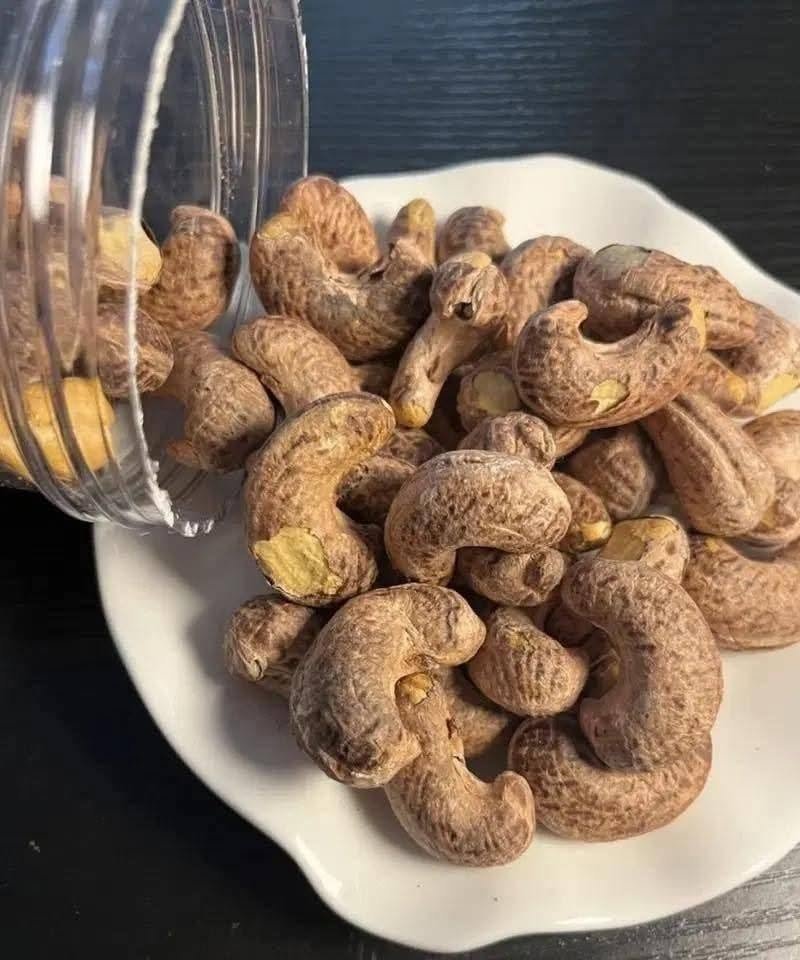
    Cashews are often misunderstood because they are calorie-dense, but they can be a nutritious addition to a balanced diet. A small handful provides protein, fiber, magnesium, and predominantly unsaturated fats, nutrients that can support overall cardiovascular and metabolic health. Harvard Health notes that nuts such as cashews can provide a combination of healthy fats, protein, fiber, and other important nutrients. Research has also found that replacing a less nutritious snack with cashews may have favorable effects on LDL cholesterol, although this does not mean cashews alone prevent heart disease. The key is portion control: an ounce of cashews contains roughly 160 calories, so repeatedly eating large quantities can add substantial calories to the diet.

    One important consideration is kidney health. Cashews contain potassium and phosphorus, and people with chronic kidney disease may need to adjust their intake depending on their kidney function, blood-test results, and stage of disease. The National Kidney Foundation lists about 180 mg of potassium and 150 mg of phosphorus in a quarter-cup serving of cashews. Healthy kidneys normally regulate potassium effectively, but advanced kidney disease can make it harder to remove excess potassium from the bloodstream. Cashew allergies are another important concern: tree nuts can trigger serious allergic reactions in susceptible individuals, potentially including breathing difficulty and other emergency symptoms. People with a known nut allergy should follow their healthcare professional’s recommendations rather than experimenting with cashews.

    For most people without allergies or specific dietary restrictions, a modest portion of unsalted cashews can fit comfortably into a healthy eating pattern. Choosing plain or lightly roasted cashews instead of varieties heavily coated with added sugar or excessive salt can make them a more nutritious snack. Pairing a small portion with fruit, vegetables, or another wholesome food can also help create a more balanced eating pattern. Cashews should not be promoted as a miracle food, nor should dramatic online claims about them automatically be accepted as medical fact. Their effects depend on portion size, preparation, overall diet, and individual health circumstances. Disclaimer: This article is for general educational and informational purposes only and does not constitute medical, nutritional, or treatment advice. Cashews may affect individuals differently, particularly those with allergies or kidney-related dietary restrictions. Always verify health claims through reliable medical and scientific sources and consult a qualified healthcare professional for personalized guidance.

  • Eat These Foods More Often to Help Keep Your Arteries Clear and Your Heart Strong

    Eat These Foods More Often to Help Keep Your Arteries Clear and Your Heart Strong

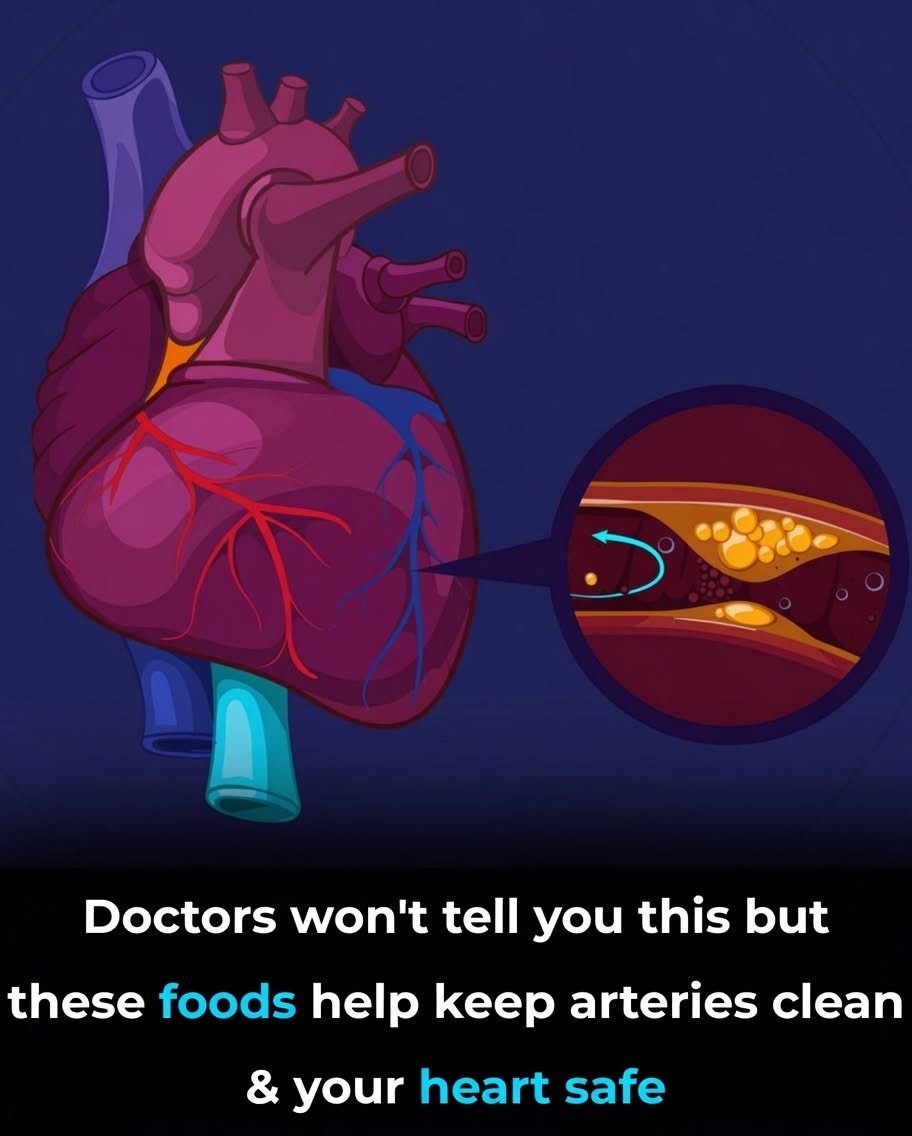
    Supporting cardiovascular health starts with the overall quality of your diet, not a single “superfood” that magically clears blocked arteries. Current American Heart Association guidance emphasizes a pattern rich in vegetables, fruits, whole grains, legumes, nuts, seeds, and healthy sources of protein, while limiting saturated fat, added sugars, excess sodium, and highly processed foods. Foods such as leafy greens, broccoli, carrots, tomatoes, berries, apples, and other colorful produce can provide fiber, vitamins, minerals, and beneficial plant compounds. Whole grains such as oatmeal and brown rice are particularly useful because they provide dietary fiber, while beans and lentils contribute both fiber and plant-based protein. These foods can support healthy cholesterol levels, blood pressure, body weight, and overall metabolic health—factors that are closely connected to cardiovascular wellness.

    Another valuable category is healthy fats and protein-rich foods. Unsalted nuts such as almonds and walnuts provide predominantly unsaturated fats, fiber, and other nutrients that can fit into a heart-supportive eating pattern. Fish such as salmon, trout, and other seafood can provide omega-3 fatty acids and serve as an alternative to foods higher in saturated fat. Avocados and non-tropical liquid plant oils can also provide unsaturated fats that are preferable to saturated-fat sources such as butter and fatty meats. For people focused on cholesterol management, soluble-fiber-rich foods—including oats, beans, and certain fruits—can be especially useful because soluble fiber can help reduce cholesterol absorption in the digestive tract. The key is to make healthier substitutions rather than simply adding extra calories: choose oatmeal instead of a refined breakfast pastry, nuts instead of salty snacks, and grilled fish or beans instead of processed meats.

    It’s also important to understand what “keeping arteries clear” actually means. Food cannot physically scrub plaque out of arteries, and no juice, fruit, vegetable, or supplement can guarantee the removal of existing arterial plaque. Instead, a heart-healthy dietary pattern can help manage risk factors associated with cardiovascular disease and may reduce the likelihood of future problems. The American Heart Association recommends minimizing saturated fats, added sugars, sodium, refined carbohydrates, and ultraprocessed foods while emphasizing minimally processed, nutrient-dense foods. Regular physical activity, maintaining a healthy weight, managing blood pressure, cholesterol and blood glucose, and avoiding tobacco are also important components of cardiovascular risk reduction. Disclaimer: This article is for general educational and informational purposes only and does not constitute medical, nutritional, or treatment advice. No individual food can guarantee clear arteries or prevent heart disease. Always verify health claims through reliable medical and scientific sources and consult a qualified healthcare professional for personalized cardiovascular guidance.

  • Your Hands Can Reveal Clues About Your Health — Here’s What Visible Veins May Mean

    Your Hands Can Reveal Clues About Your Health — Here’s What Visible Veins May Mean

    Visible veins on the hands are often completely normal, particularly when the veins have gradually become more noticeable without other symptoms. Several harmless factors can make superficial veins stand out, including lower body-fat levels, regular exercise, increased blood flow, genetics, and natural changes in the skin as you age. During intense exercise, for example, increased blood flow and muscle development can temporarily make veins in the hands and arms appear more prominent. Thinner, less elastic skin with age can also make veins easier to see. Therefore, prominent hand veins alone should not automatically be interpreted as a sign of poor circulation, heart disease, or another serious condition.

    However, a sudden change in your veins deserves more attention, especially when it occurs alongside swelling, pain, warmth, redness, or unusual discoloration. Bulging veins can sometimes be associated with inflammation or problems affecting blood flow, although these conditions are more commonly discussed in the legs than the hands. Swelling of the hands or arms can have many causes, including injury, infection, medication effects, temperature changes, fluid retention, circulation problems, or other medical conditions. If a vein becomes suddenly painful, warm, red, or swollen, it should not simply be dismissed as a cosmetic change. A healthcare professional can examine the area and, when appropriate, use imaging such as an ultrasound to investigate the underlying cause.

    The most important thing is to look at the whole picture rather than the appearance of a vein by itself. If your veins have always been visible and you have no discomfort, swelling, or other changes, they may simply reflect your anatomy and body composition. Staying physically active, maintaining a healthy weight, avoiding tobacco, and taking regular movement breaks during long periods of sitting can support healthy circulation. On the other hand, sudden prominent veins accompanied by significant swelling, pain, color changes, numbness, or breathing difficulties require prompt medical assessment. Disclaimer: This article is for general educational and informational purposes only and does not constitute medical advice, diagnosis, or treatment. Visible hand veins have many possible explanations and cannot diagnose a health condition by themselves. Always verify health information through reliable medical and scientific sources and consult a qualified healthcare professional about new, sudden, painful, or concerning changes.

  • Doctors Reveal That Eating Cucumber in Salads Causes… See More

    Doctors Reveal That Eating Cucumber in Salads Causes… See More

    Cucumber is a popular salad ingredient because it is refreshing, naturally low in calories, and provides water along with small amounts of vitamins and minerals. For most healthy people, eating cucumber in a salad is not harmful and can be a simple way to increase vegetable intake. However, raw cucumber is eaten without a cooking step, so food safety becomes particularly important. Fresh produce can sometimes become contaminated with harmful microorganisms during growing, harvesting, transportation, storage, or preparation. The FDA has specifically investigated cucumbers for microbial contamination and has confirmed that pathogens such as Salmonella can be present on cucumbers. This does not mean cucumbers are unsafe in general; rather, it highlights why proper handling matters when eating them raw.

    Another issue is how the salad is prepared and stored. Washing the cucumber thoroughly under running water before cutting can reduce surface contamination. Because cucumbers have a firm surface, the FDA recommends gently scrubbing them with a clean produce brush and drying them afterward. Importantly, washing with soap, detergent, bleach, or household disinfectants is not recommended because these substances can leave harmful residues or be absorbed by produce. Cross-contamination is another concern: using the same cutting board or knife for raw meat and then cucumber without proper cleaning can transfer harmful bacteria to a salad that will not be cooked. Once cucumber is cut and mixed into a salad, appropriate refrigeration also becomes important because fresh-cut produce can deteriorate and support microbial growth if handled or stored improperly.

    For most people, the message is simple: you do not need to stop eating cucumber salads. Instead, choose fresh, undamaged produce, wash your hands before preparation, rinse and scrub whole cucumbers under running water, use clean utensils, keep raw produce away from raw meat and poultry, and refrigerate prepared salads appropriately. If cucumber has visible mold, significant decay, an unusual smell, or other obvious signs of spoilage, it is safer to discard it rather than trying to rescue the affected portion. People who develop diarrhea, fever, abdominal cramps, vomiting, or other symptoms after eating potentially contaminated food should seek appropriate medical advice, particularly if symptoms are severe or persistent. Disclaimer: This article is for general educational and food-safety information only and does not constitute medical advice, diagnosis, or treatment. Cucumber is generally a nutritious food, and contamination is not inevitable. Always verify food-safety claims through reliable government, scientific, and medical sources and follow appropriate food-handling guidance.

  • Potatoes Aren’t Just Comfort Food—Doctors Reveal Their Hidden Effects

    Potatoes Aren’t Just Comfort Food—Doctors Reveal Their Hidden Effects

    Potatoes are often viewed as simple comfort food, but nutritionally they offer more than many people realize. A medium potato with its skin provides potassium, vitamin C, vitamin B6, and dietary fiber, although much of the fiber is concentrated in the peel. Potatoes are also naturally low in fat before ingredients such as butter, cream, or cooking oil are added. Their potassium content is particularly noteworthy because potassium is an essential mineral involved in normal muscle and nerve function and helps support healthy blood pressure. However, potatoes are also rich in starch, meaning they can raise blood glucose relatively quickly, particularly depending on the variety, portion size, and preparation method. So while potatoes can provide valuable nutrients, they should be considered a starchy carbohydrate rather than a replacement for a wide variety of non-starchy vegetables.

    The way potatoes are prepared can dramatically change their nutritional profile and potential health impact. French fries and heavily processed potato products can contain substantially more calories, sodium, and added fats than plain boiled or baked potatoes. Recent research highlighted by Harvard found that French-fry consumption was associated with a higher risk of developing type 2 diabetes, while baked, boiled, and mashed potatoes did not show the same association in that particular analysis. Cooking and cooling potatoes can also increase their resistant-starch content, which may result in a slower blood-sugar response compared with freshly cooked potatoes. For people trying to build a more balanced meal, a moderate portion of potatoes with the skin, combined with vegetables and a healthy protein source, may be a more sensible choice than making fries or highly processed potato foods a daily staple. People with kidney disease should also be aware that potatoes are relatively high in potassium and may need individualized dietary guidance.

    The key takeaway is that potatoes are not automatically healthy or unhealthy—the overall meal and preparation method matter. Boiling, baking, or roasting with modest amounts of unsaturated oil can preserve their nutritional value without adding excessive calories or saturated fat. Harvard researchers suggest that potatoes can fit into a healthy eating pattern when consumed in moderation, preferably with the skin intact and minimal added saturated fat. At the same time, regularly replacing whole grains or a variety of non-starchy vegetables with large portions of potatoes may not provide the same long-term nutritional advantages. A balanced diet should include different colorful vegetables, fruits, whole grains, legumes, nuts, and appropriate protein sources rather than relying heavily on one food. Disclaimer: This article is for general educational and informational purposes only and does not constitute medical, nutritional, or treatment advice. Individual dietary needs vary, particularly for people with diabetes, kidney disease, high blood pressure, or other health conditions. Always verify health claims through reliable medical and scientific sources and consult a qualified healthcare professional for personalized dietary guidance.

  • Note That If You Always Sleep on Your Right Side, You Should Know This…

    Note That If You Always Sleep on Your Right Side, You Should Know This…

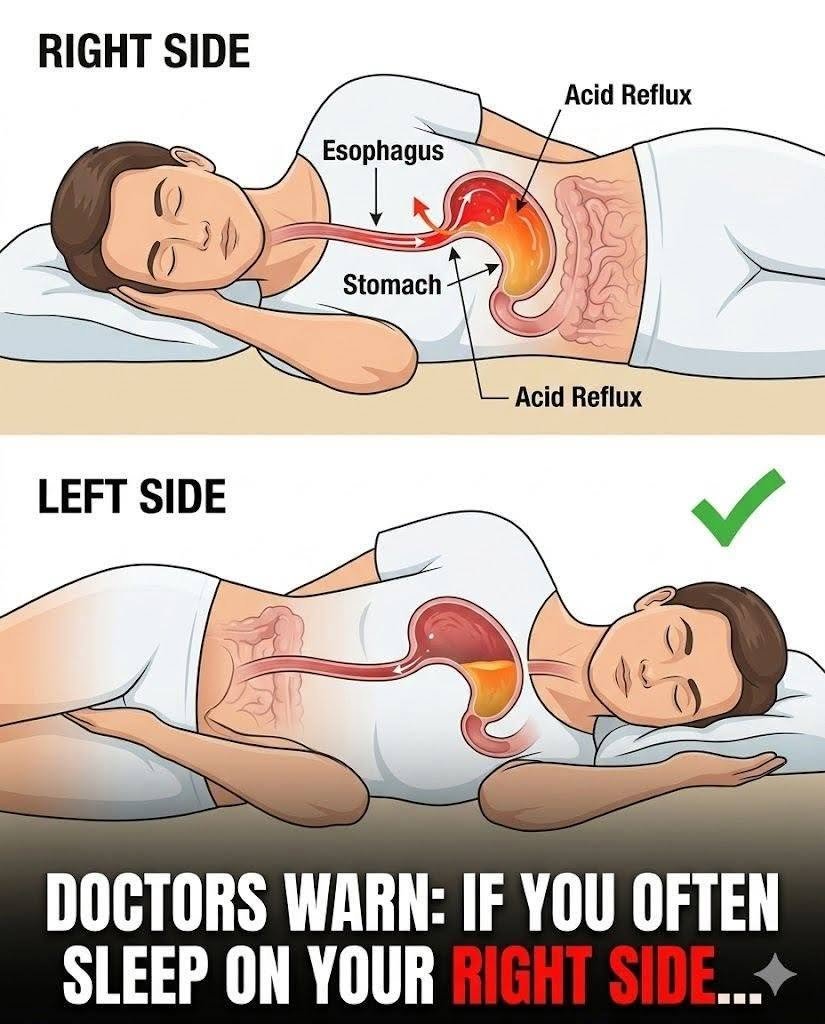
    Sleeping on your right side is not inherently dangerous for most healthy adults. In fact, side sleeping is generally considered a good sleep position because it can help keep the airway open and may reduce snoring compared with sleeping flat on the back. (Mayo Clinic) However, your preferred side can matter if you experience certain conditions. One example is acid reflux or GERD. For people who frequently experience nighttime reflux, medical guidance commonly recommends starting sleep on the left side, because this position can make reflux less likely. (Mayo Clinic) That does not mean sleeping on the right side will harm everyone; it simply means some people with reflux may notice worse symptoms in that position.

    If you wake with shoulder, neck, hip, or back discomfort, your sleeping position may also be contributing to pressure on certain areas. Side sleeping can be made more comfortable by keeping the neck aligned with the spine and placing a pillow between the knees, which can help reduce strain around the hips and lower back. (Mayo Clinic) Your mattress and pillow height also matter. A pillow that is too high or too low can leave the neck tilted for hours, potentially contributing to morning stiffness. Rather than forcing yourself to sleep on one particular side, pay attention to whether your position consistently produces discomfort, numbness, or poor-quality sleep. If you have persistent nighttime symptoms, changing positions may help, but the underlying cause should still be considered.

    There is one important exception: pregnancy, particularly after 28 weeks. NHS guidance recommends going to sleep on your side, either left or right, rather than on your back during later pregnancy. (NHS) So the idea that everyone must sleep exclusively on the left side is an oversimplification. For most healthy adults, the best position is the one that allows comfortable, uninterrupted breathing and restful sleep. If right-side sleeping repeatedly causes severe reflux, significant pain, numbness, breathing problems, or other concerning symptoms, discuss these issues with a qualified healthcare professional. Disclaimer: This article is for general educational and informational purposes only and does not constitute medical advice, diagnosis, or treatment. Sleep-position recommendations can vary according to individual health conditions, pregnancy, pain, and sleep disorders. Always verify health information through reliable medical and scientific sources and consult a qualified healthcare professional for personalized guidance.

  • Benefits of Drinking Coffee on an Empty Stomach — See More

    Benefits of Drinking Coffee on an Empty Stomach — See More

    Drinking coffee before breakfast is a common morning routine, and for many healthy adults, moderate coffee consumption can fit into a healthy lifestyle. Coffee naturally contains caffeine, a stimulant that can increase alertness, attention, and energy, which may be especially useful early in the day. Research has also associated regular coffee consumption with several potential long-term health benefits, including lower risks of certain chronic conditions, although these associations do not prove that coffee itself prevents disease. (hsph.harvard.edu) Coffee also contains biologically active plant compounds, including polyphenols and other antioxidants. However, there is no strong evidence that drinking coffee specifically on an empty stomach provides unique health benefits compared with drinking it with food. The timing may simply work well for people who enjoy coffee first thing in the morning and tolerate it comfortably.

    For some people, however, coffee on an empty stomach can cause unwanted effects. Caffeine can stimulate the digestive system and may increase symptoms such as heartburn, acid reflux, stomach discomfort, or bowel urgency in sensitive individuals. (hopkinsmedicine.org) Coffee can also temporarily increase blood pressure, particularly in people who are not accustomed to caffeine. (mayoclinic.org) If you notice shakiness, anxiety, racing heartbeat, nausea, or stomach irritation after drinking coffee before eating, having it with breakfast or reducing the amount may be more comfortable. People who are pregnant, have certain heart conditions, significant anxiety, or take medications affected by caffeine may also need individualized advice about their caffeine intake. The goal should not be to force yourself into a particular coffee routine simply because a social-media post describes it as a “health hack.”

    The healthiest approach is to focus on how your body responds and how much caffeine you consume overall. For most healthy adults, the FDA says that up to about 400 milligrams of caffeine per day is an amount not generally associated with negative effects, although sensitivity varies considerably between individuals. (fda.gov) Avoid turning coffee into a high-sugar, high-calorie beverage if you’re trying to maintain a balanced diet, and remember that coffee should not replace nutritious meals or adequate hydration. If coffee consistently causes severe heartburn, palpitations, anxiety, or other unusual symptoms, consider discussing the issue with a healthcare professional. Disclaimer: This article is for general educational and informational purposes only and does not constitute medical or nutritional advice. Coffee affects individuals differently, and drinking it on an empty stomach has not been proven to provide special health benefits. Always verify health claims through reliable scientific and medical sources and consult a qualified healthcare professional for personalized guidance.