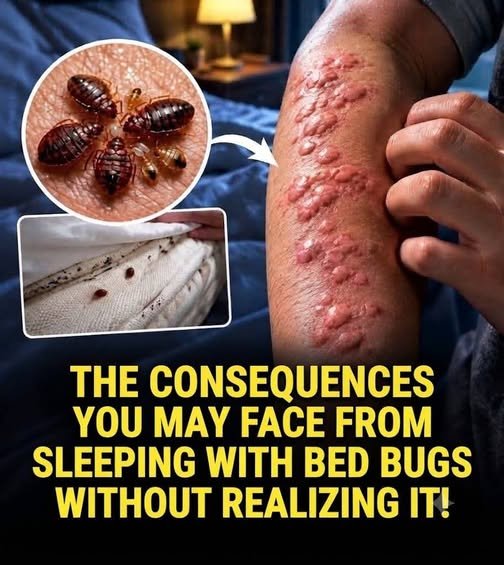
The image features a four-panel grid combining macro shots of bedbugs (Cimex lectularius), a dirty mattress seam, a rash-covered back overlaid with a daisy flower, and a hand holding whole cloves. It is accompanied by the headline “Dealing With Bedbugs? Here’s How to Identify and Remove Them Effectively…” This graphic represents a classic household anxiety and natural cure engagement template designed to sell pseudoscience solutions for complex pest infestations.
Anatomy of the Misinformation & Clickbait Strategy
- The Ineffective “Natural Cure” Myth: The inclusion of cloves and daisies pushes a widespread internet myth that home remedies—specifically essential oils like eugenol (found in cloves) or pyrethrin-like extracts—can easily eradicate a bedbug infestation. While concentrated clove oil can kill individual bugs on direct contact, it has zero residual effect, cannot penetrate eggs, and will not eliminate a systemic, hidden infestation.
- Sensationalized Imagery: Combining severe rash photos (censored or visual-masked with a daisy flower) alongside clustered pests triggers both disgust and household hygiene anxiety.
- The Pseudoscience Funnel: Pages post these infographics to target distressed homeowners looking for quick, cheap, chemical-free solutions. The text hook leads to ad-heavy blogs or affiliate pages selling “miracle” herbal sprays that fail to solve the pest issue.
- Algorithmic Monetization: Desperate users save, share, and comment heavily on pest control posts to ask for advice. Content networks exploit this high-engagement topic to boost page visibility and direct traffic to monetized sites.