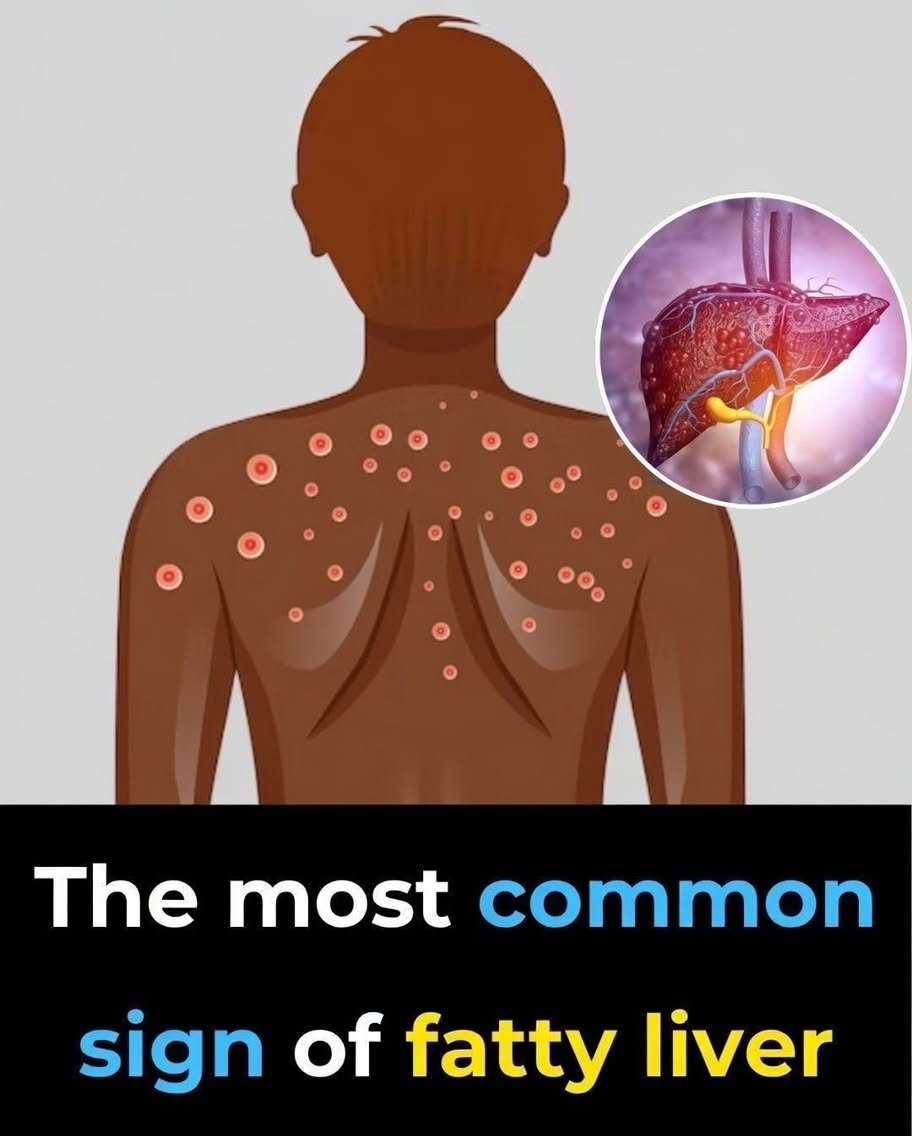
Fatty liver disease occurs when excess fat accumulates in the liver. The condition is now commonly discussed under the broader term metabolic dysfunction-associated steatotic liver disease (MASLD), although alcohol-associated liver disease and other causes can also lead to liver fat accumulation. One of the most important facts is that fatty liver can be a silent condition, meaning many people have few or no noticeable symptoms. When symptoms do occur, they may include persistent tiredness or discomfort in the upper-right portion of the abdomen. (niddk.nih.gov) The risk is higher among people with overweight or obesity, insulin resistance or type 2 diabetes, high triglycerides or abnormal cholesterol levels, high blood pressure, or metabolic syndrome. In some people, fat accumulation can progress to inflammation and liver scarring, potentially leading to cirrhosis and other serious complications. (niddk.nih.gov)
Supporting liver health starts with long-term lifestyle habits rather than quick detox products or miracle remedies. If someone with fatty liver is overweight, gradual weight loss can reduce liver fat and may improve inflammation and fibrosis. NIDDK reports that losing at least 3%–5% of body weight can reduce liver fat, while greater weight loss may provide additional benefits for inflammation and scarring. (niddk.nih.gov) A nutritious eating pattern can emphasize vegetables, fruits, whole grains, legumes, nuts, and unsaturated fats while limiting foods and drinks high in added sugars, particularly sugar-sweetened beverages and excessive fructose. Regular physical activity is also beneficial, even when significant weight loss does not occur. (niddk.nih.gov) Avoiding or minimizing alcohol is particularly important when liver disease is present because alcohol can contribute additional liver injury. Dietary supplements marketed as “liver cleanses” should not be assumed to be safe; some herbal products can actually damage the liver. (niddk.nih.gov)
Because fatty liver often produces few symptoms, medical evaluation is more reliable than trying to diagnose it based on how you feel. Doctors may use medical history, physical examination, blood tests, and imaging studies to assess liver health and determine whether additional testing is needed. (niddk.nih.gov) If you have persistent fatigue, unexplained upper-right abdominal discomfort, abnormal liver tests, diabetes, obesity, or other metabolic risk factors, discussing liver health with a qualified healthcare professional can be worthwhile. The goal is not to fear every symptom, but to identify problems early and address the factors that can be changed. Disclaimer: This article is for general educational and informational purposes only and does not constitute medical, nutritional, or treatment advice. Fatty liver has multiple causes and can affect individuals differently. The information presented here should not be used for self-diagnosis or as a substitute for professional care. Always verify health information through reliable scientific and medical sources and consult a qualified healthcare professional for personalized guidance.
Leave a Reply