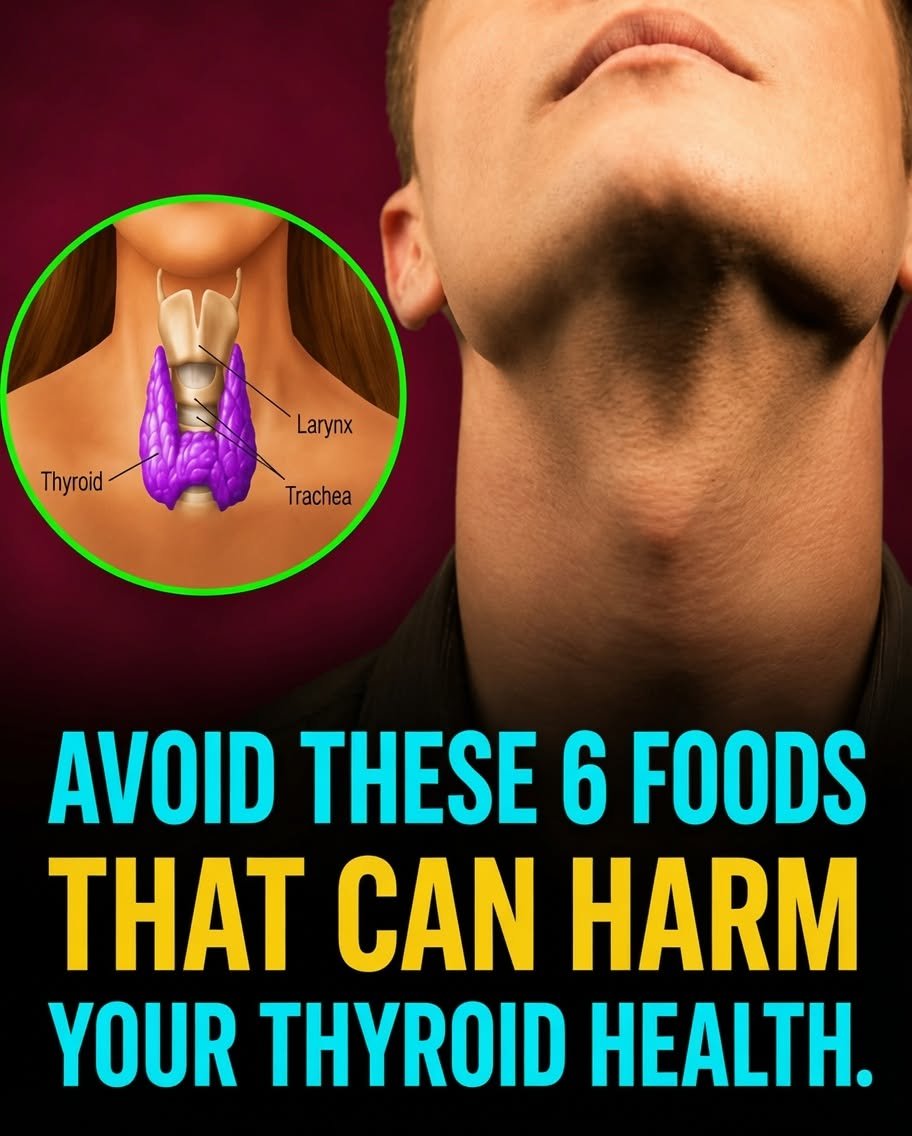
Your thyroid depends on a steady supply of nutrients—especially iodine and selenium—to produce and regulate thyroid hormones, but more is not always better. Six food categories deserve particular attention: seaweed and kelp, soy foods, cruciferous vegetables, highly processed foods, dairy products, and iodine-rich seafood. Seaweed and kelp can contain extremely large and variable amounts of iodine, and excessive iodine may trigger or worsen thyroid dysfunction in susceptible people, particularly those with autoimmune thyroid conditions. Soy foods such as tofu, soy milk, and edamame are not automatically harmful to the thyroid, but very large amounts or concentrated soy products may matter for some individuals, particularly when iodine intake is inadequate. Importantly, broccoli, cabbage, cauliflower, and similar cruciferous vegetables do not need to be routinely avoided by most people; normal servings are generally compatible with a healthy diet.
Dairy products, eggs, and seafood can actually be useful sources of iodine, an essential mineral required to make thyroid hormones. The problem is usually not these foods themselves but consuming either too little or too much iodine. The American Thyroid Association notes that common iodine sources include iodized salt, dairy products, breads, and seafood, while excessive iodine intake can cause thyroid dysfunction. Highly processed foods are another category worth watching—not because they directly “damage” the thyroid, but because diets dominated by highly processed foods may displace nutrient-rich foods needed for overall health. For people with diagnosed thyroid disease, the appropriate diet can also depend on the specific condition. Someone preparing for radioactive iodine treatment, for example, may temporarily need a low-iodine diet, which is very different from the everyday diet recommended for the general population.
The most important lesson is to avoid extreme “thyroid diets” promoted online. Do not eliminate entire food groups or start iodine, kelp, or “thyroid support” supplements without medical guidance. Too little iodine can interfere with thyroid hormone production, while excessive iodine can also cause problems, particularly in people with existing thyroid disease. If you experience persistent fatigue, unexplained weight changes, sensitivity to cold or heat, rapid or unusually slow heartbeat, neck swelling, or other concerning symptoms, proper thyroid testing is more reliable than trying to identify the cause through food alone. A balanced diet containing a variety of vegetables, fruits, whole grains, appropriate protein sources, and adequate—but not excessive—iodine is generally a better strategy than restrictive eating. Disclaimer: This article is for general educational and informational purposes only and does not constitute medical, nutritional, or treatment advice. Foods affect thyroid health differently depending on the individual and the underlying thyroid condition. Always verify health information through reliable scientific and medical sources and consult a qualified healthcare professional before making major dietary changes or using iodine-containing supplements.
Leave a Reply