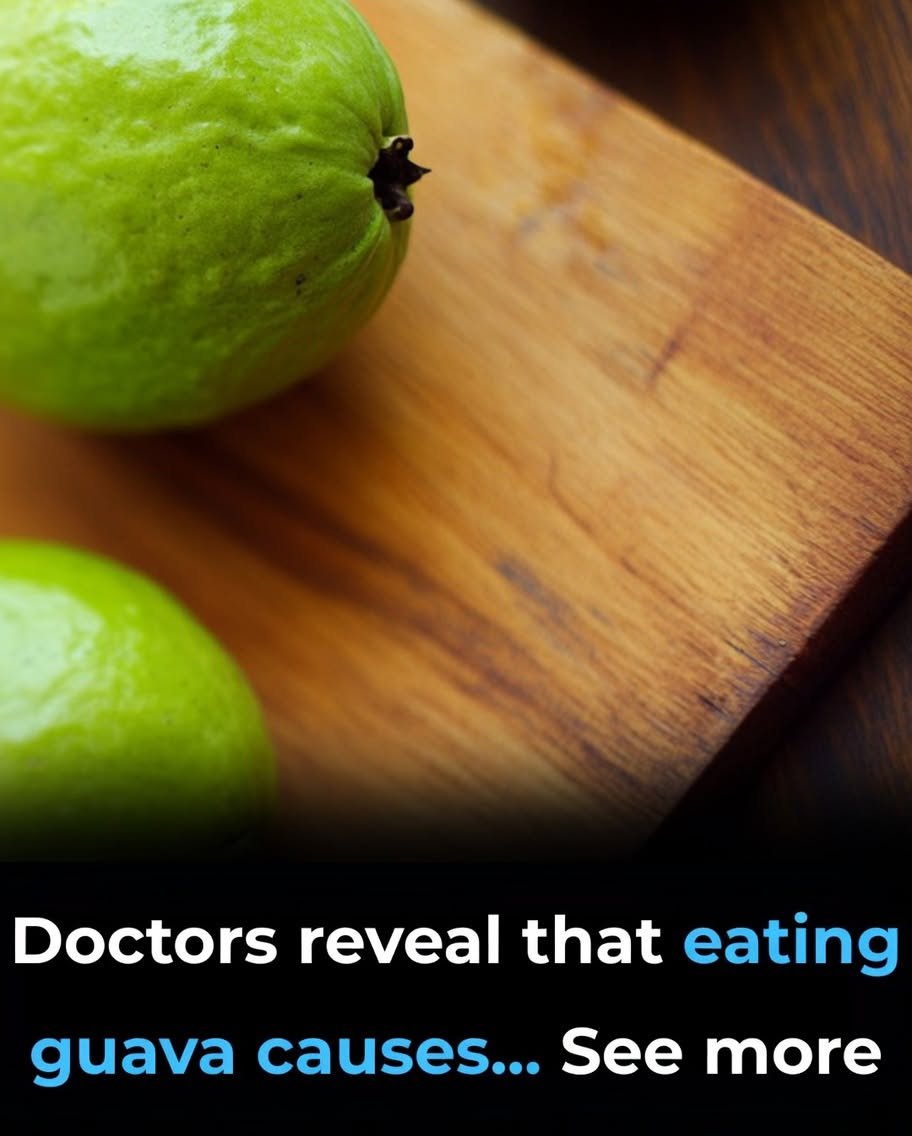
Guava is a tropical fruit that packs an impressive nutritional profile into a relatively small serving. It is particularly rich in vitamin C, dietary fiber, potassium, and plant-based antioxidants, making it a useful addition to a balanced diet. One cup of raw guava provides around 9 grams of fiber and more than the daily value of vitamin C, according to Cleveland Clinic. Fiber can support regular digestion and help promote feelings of fullness, while vitamin C contributes to normal immune function and antioxidant protection. Scientific analysis has also found substantial amounts of polyphenols in guava, with both the pulp and peel demonstrating antioxidant activity in laboratory testing. These nutrients help explain why researchers continue to study guava as more than simply a flavorful fruit.
Research has explored whether guava may have benefits related to heart health, blood pressure, blood sugar, and metabolic health. A clinical trial involving people with hypertension found that a diet incorporating substantial amounts of guava was associated with reductions in blood pressure and certain blood lipid measurements. Another randomized study involving healthy adults found that guava consumption was associated with changes in body mass index, blood pressure, and some lipid measurements, although the results differed depending on whether the fruit was consumed with or without the peel. More recent scientific reviews continue to investigate guava’s flavonoids and other bioactive compounds for potential antioxidant, anti-inflammatory, and metabolic effects. However, researchers emphasize that more high-quality human trials are needed before these potential effects can be considered proven medical benefits. This distinction is important: promising research does not mean guava can prevent, cure, or replace treatment for a disease.
The simplest way to enjoy guava is as part of a varied, nutrient-rich eating pattern. Fresh guava can be eaten whole after washing, added to fruit salads, blended into smoothies, or enjoyed as a convenient snack. Because the fruit naturally contains fiber and micronutrients, eating whole guava is generally more nutritionally valuable than relying on heavily sweetened guava drinks or processed products. Its nutritional value makes it an excellent choice alongside other fruits, vegetables, whole grains, legumes, nuts, and other minimally processed foods. However, no single fruit can guarantee better health or prevent chronic disease. Disclaimer: This article is for general educational and informational purposes only and does not constitute medical, nutritional, or treatment advice. Research suggests that guava has valuable nutrients and promising bioactive compounds, but some claimed health effects require stronger human evidence. Always verify health information through reliable scientific and medical sources and consult a qualified healthcare professional for personalized dietary guidance.
Leave a Reply