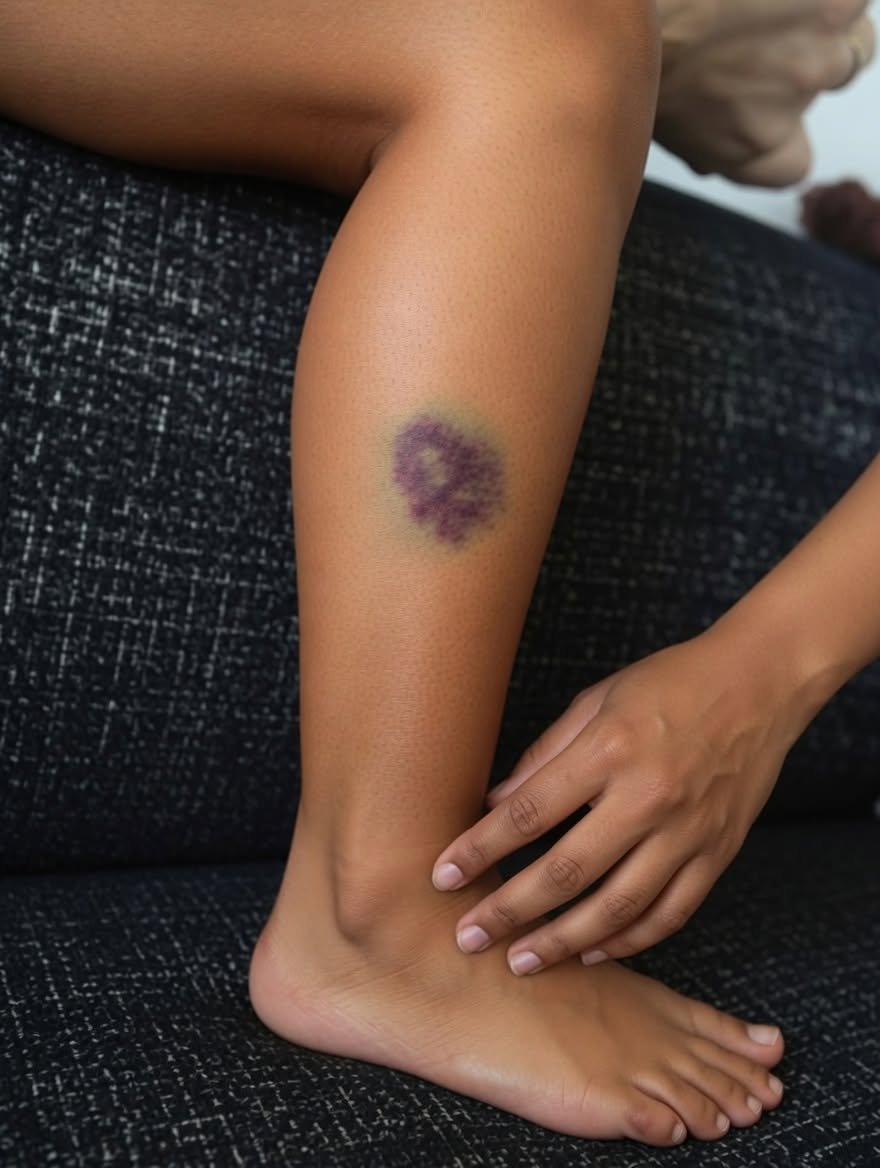
Occasional bruises are extremely common and usually happen when small blood vessels beneath the skin are damaged by a bump or minor injury. As people age, the skin becomes thinner and loses some of the protective fatty tissue that cushions these vessels, making bruising easier. However, frequent, unusually large, painful, or unexplained bruises deserve more attention. Certain medications—including blood-thinning and antiplatelet medicines, some anti-inflammatory drugs, and corticosteroids—can increase the tendency to bruise. Some supplements may also contribute. (mayoclinic.org) This means recurring bruises do not automatically indicate a serious disease, but a sudden change in your usual bruising pattern is worth discussing with a healthcare professional.
Sometimes easy bruising can be associated with problems involving platelets or the blood-clotting system. Low platelet levels, platelet-function disorders, and abnormalities involving clotting proteins can make bleeding beneath the skin more likely. (mayoclinic.org) Pay particular attention if bruises appear together with frequent nosebleeds, bleeding gums, unusually heavy menstrual bleeding, prolonged bleeding from small cuts, blood in the urine or stool, or tiny red-purple spots called petechiae. (mayoclinic.org) Large bruises appearing on the chest, abdomen, back, or face without a clear injury are also reasons to seek medical evaluation. A clinician may review your medications and medical history and, when appropriate, order blood tests to check platelet levels and clotting function. (mayoclinic.org)
If you notice unexplained bruising, don’t stop prescribed medication on your own, even if you suspect it is contributing. Instead, discuss it with your doctor or pharmacist. For an ordinary bruise, resting the area, elevating it, and applying a wrapped cold pack for short periods during the first day or two may help reduce swelling and discomfort. (mayoclinic.org) Seek prompt medical attention if bruising is accompanied by significant bleeding, severe pain, rapidly increasing swelling, or bleeding that will not stop. The key message is simple: one unexplained bruise usually isn’t a reason to panic, but a new pattern of frequent or unexplained bruising should not be ignored. Disclaimer: This article is for general educational and informational purposes only and does not constitute medical advice, diagnosis, or treatment. Easy bruising has many possible causes, and bruises alone cannot diagnose an underlying illness. Always verify health information through reliable medical and scientific sources and consult a qualified healthcare professional about persistent, sudden, severe, or unexplained bruising.
Leave a Reply