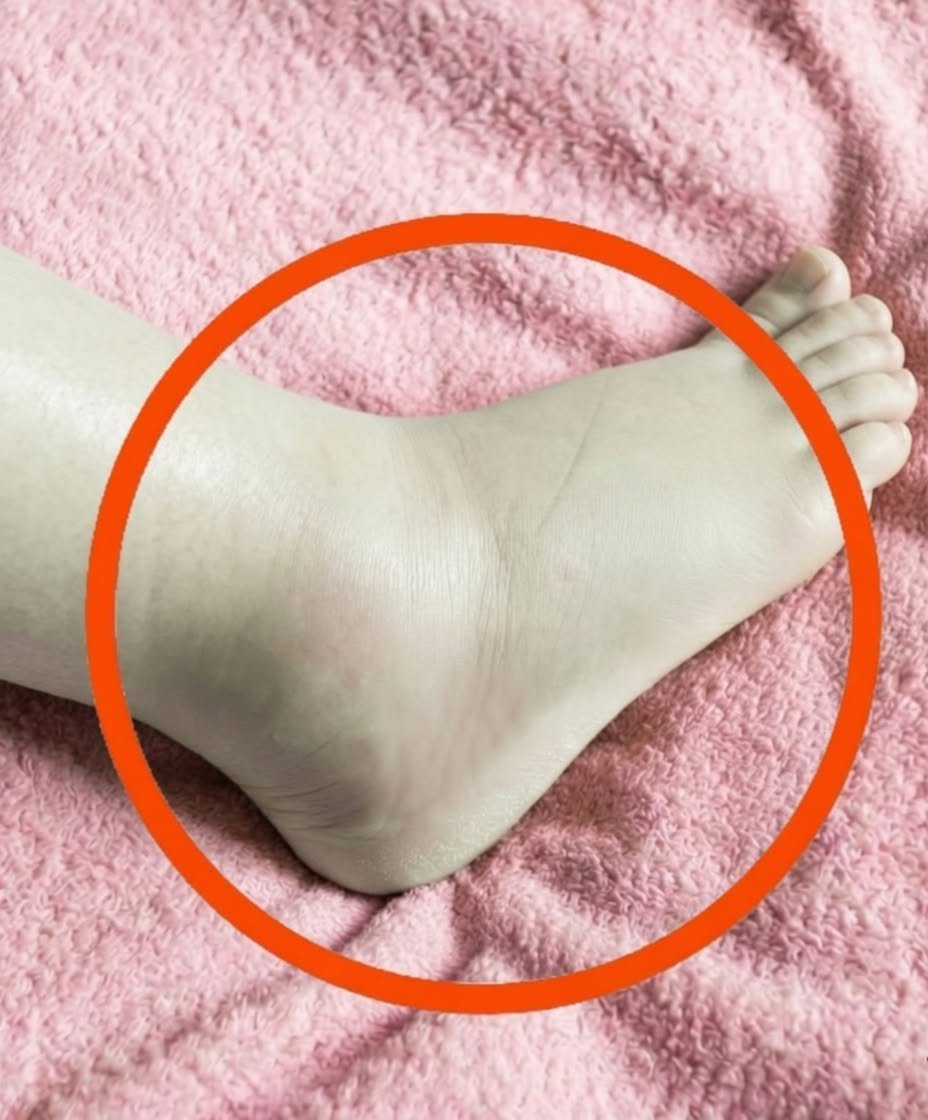
Swollen legs, ankles, or feet are often caused by oedema, a buildup of fluid in body tissues. Sometimes the explanation is relatively simple—such as sitting or standing for a long time, eating a very salty diet, being overweight, pregnancy, certain medications, or varicose veins. However, persistent swelling can also be associated with problems involving the heart, kidneys, liver, or circulation. This is why recurring swelling should not automatically be dismissed as normal, especially when there is no obvious explanation. Heart failure, for example, can cause fluid to accumulate in the feet, ankles, legs, or abdomen and may occur alongside breathlessness, tiredness, coughing, or sudden weight gain. The pattern matters too: swelling in both legs can have different causes from sudden swelling affecting only one leg.
One of the situations doctors take particularly seriously is sudden swelling in one leg, especially when it occurs with pain, tenderness, warmth, redness, darkened skin, or visibly swollen veins. These can be warning signs of deep vein thrombosis (DVT), a blood clot that commonly develops in a deep vein in the leg. DVT can become dangerous if part of the clot travels to the lungs and causes a pulmonary embolism. If leg swelling or pain is accompanied by shortness of breath, chest pain, coughing up blood, severe dizziness, or fainting, immediate emergency medical attention is needed because a pulmonary embolism can be life-threatening. Similarly, swelling that becomes suddenly severe, painful, hot, or red, or swelling accompanied by fever or chills, should receive prompt medical assessment.
For mild swelling with an obvious temporary cause, simple measures such as raising the legs when resting, gentle walking, avoiding prolonged sitting or standing, and reducing excessive salt intake may help. However, persistent or worsening swelling deserves professional evaluation rather than self-treatment, because the appropriate treatment depends entirely on the underlying cause. A healthcare professional may review medications, examine circulation, and order tests when necessary to distinguish fluid retention from vascular, heart, kidney, liver, or other conditions. Disclaimer: This article is for general educational and informational purposes only and does not constitute medical advice, diagnosis, or treatment. Leg swelling has many possible causes, and the presence of swelling alone cannot confirm a serious illness. Always verify health information through reliable medical and scientific sources and consult a qualified healthcare professional about new, persistent, sudden, painful, or unexplained swelling.
Leave a Reply