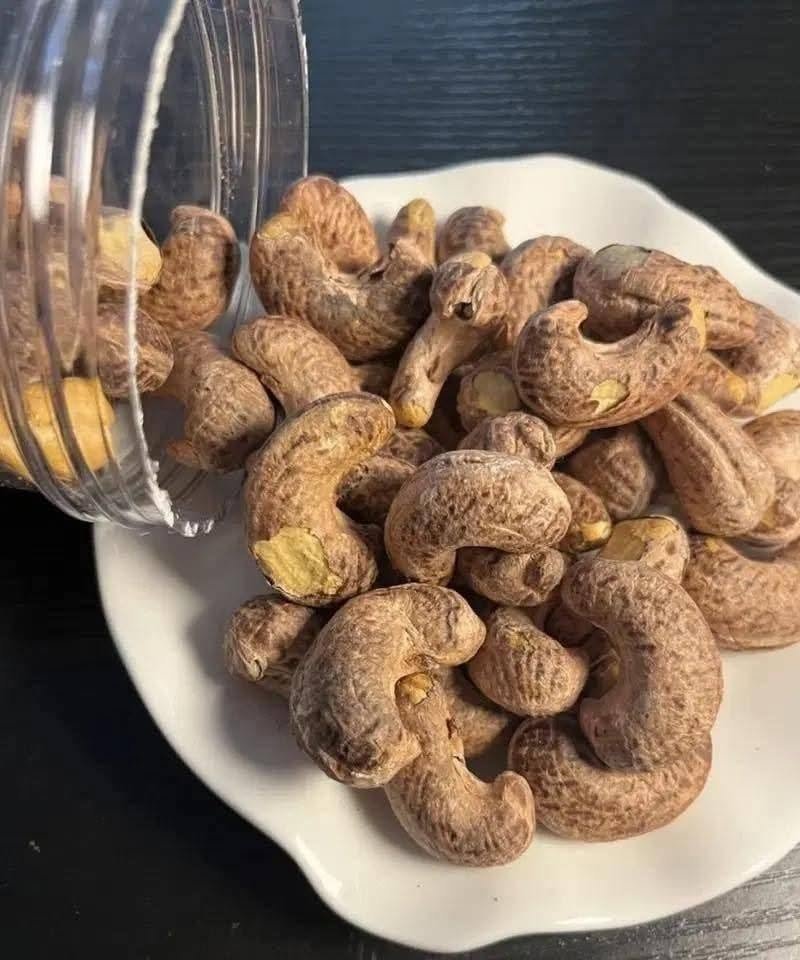
Cashews are often misunderstood because they are calorie-dense, but they can be a nutritious addition to a balanced diet. A small handful provides protein, fiber, magnesium, and predominantly unsaturated fats, nutrients that can support overall cardiovascular and metabolic health. Harvard Health notes that nuts such as cashews can provide a combination of healthy fats, protein, fiber, and other important nutrients. Research has also found that replacing a less nutritious snack with cashews may have favorable effects on LDL cholesterol, although this does not mean cashews alone prevent heart disease. The key is portion control: an ounce of cashews contains roughly 160 calories, so repeatedly eating large quantities can add substantial calories to the diet.
One important consideration is kidney health. Cashews contain potassium and phosphorus, and people with chronic kidney disease may need to adjust their intake depending on their kidney function, blood-test results, and stage of disease. The National Kidney Foundation lists about 180 mg of potassium and 150 mg of phosphorus in a quarter-cup serving of cashews. Healthy kidneys normally regulate potassium effectively, but advanced kidney disease can make it harder to remove excess potassium from the bloodstream. Cashew allergies are another important concern: tree nuts can trigger serious allergic reactions in susceptible individuals, potentially including breathing difficulty and other emergency symptoms. People with a known nut allergy should follow their healthcare professional’s recommendations rather than experimenting with cashews.
For most people without allergies or specific dietary restrictions, a modest portion of unsalted cashews can fit comfortably into a healthy eating pattern. Choosing plain or lightly roasted cashews instead of varieties heavily coated with added sugar or excessive salt can make them a more nutritious snack. Pairing a small portion with fruit, vegetables, or another wholesome food can also help create a more balanced eating pattern. Cashews should not be promoted as a miracle food, nor should dramatic online claims about them automatically be accepted as medical fact. Their effects depend on portion size, preparation, overall diet, and individual health circumstances. Disclaimer: This article is for general educational and informational purposes only and does not constitute medical, nutritional, or treatment advice. Cashews may affect individuals differently, particularly those with allergies or kidney-related dietary restrictions. Always verify health claims through reliable medical and scientific sources and consult a qualified healthcare professional for personalized guidance.
Leave a Reply