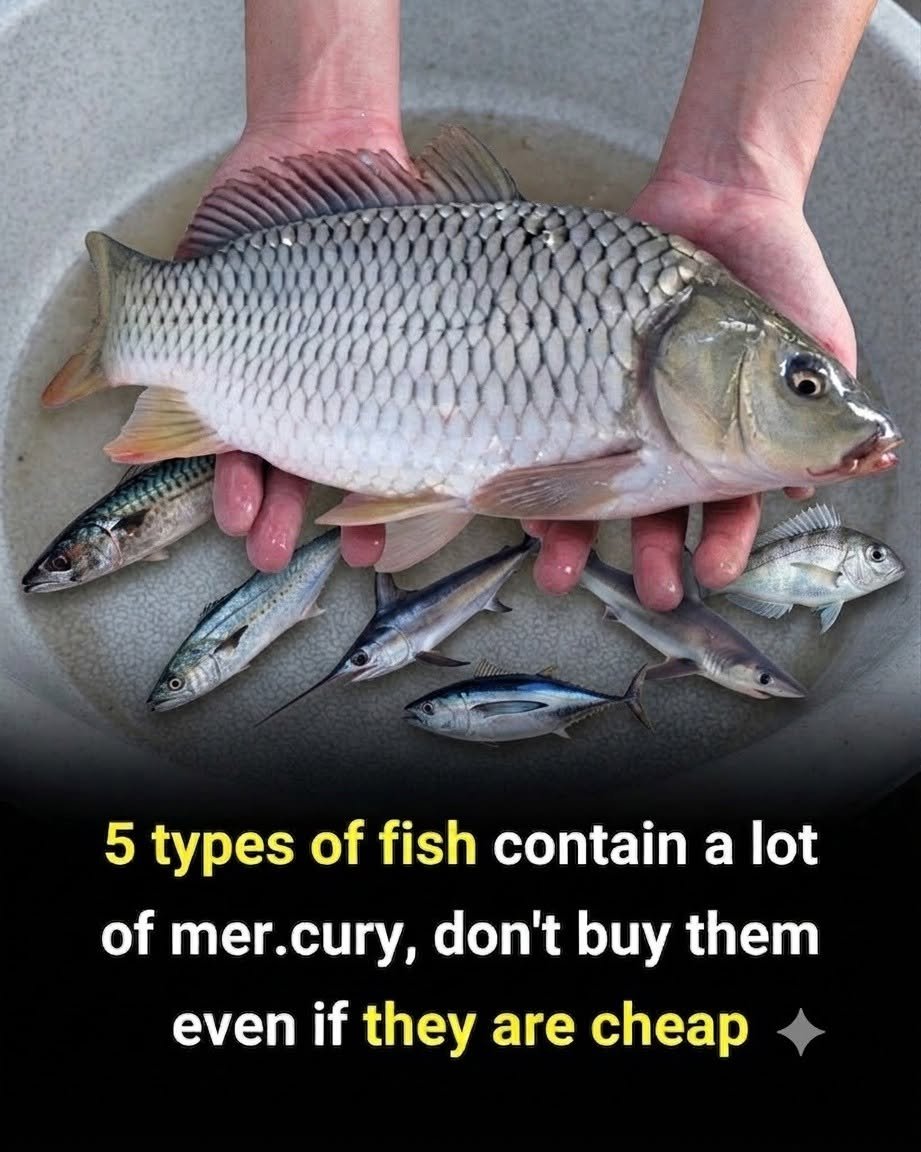
Fish is widely recognized as a nutritious source of protein, omega-3 fatty acids, vitamins, and minerals, but mercury exposure is an important consideration when choosing certain species. Nearly all fish and shellfish contain trace amounts of methylmercury, although levels vary considerably between species. Larger, longer-living predatory fish generally accumulate more mercury because they consume other fish over time. The FDA identifies shark, swordfish, king mackerel, marlin, orange roughy, Gulf of Mexico tilefish, and bigeye tuna among the fish with the highest mercury levels. This does not mean people should stop eating fish altogether. In fact, fish can be an important part of a balanced diet, and choosing lower-mercury varieties can provide nutritional benefits while reducing unnecessary exposure. Salmon, sardines, shrimp, tilapia, freshwater trout, pollock, and canned light tuna are among the FDA’s “Best Choices.”
One reason this issue can be confusing is that even the same general type of fish can have different mercury levels. Tuna is a good example: canned light tuna, which commonly includes skipjack, is categorized as a “Best Choice,” while albacore or white tuna and yellowfin tuna are categorized as “Good Choices,” and bigeye tuna is listed among the fish to avoid because of higher mercury levels. Mercury exposure is particularly important during pregnancy, breastfeeding, and childhood because developing nervous systems are more vulnerable. The FDA and EPA recommend that people who are pregnant or may become pregnant, breastfeeding, or feeding young children choose a variety of lower-mercury fish and follow recommended serving amounts. For adults outside these higher-risk groups, most fish do not contain mercury at levels expected to cause health effects when eaten as part of a varied diet.
The practical solution is variety and informed seafood choices, not avoiding fish completely. If you eat fish frequently, rotate among lower-mercury options instead of relying heavily on one species, and check local advisories when eating recreationally caught fish because contamination can vary by location. Choosing lower-mercury seafood can help you benefit from fish’s valuable nutrients while keeping methylmercury exposure lower. People who are pregnant, planning pregnancy, breastfeeding, or feeding children should be especially careful about species selection and serving recommendations. Disclaimer: This article is for general educational and informational purposes only and does not constitute medical, nutritional, or professional advice. Mercury levels can vary by fish species, size, origin, and other factors, and recommendations may differ by country. Always verify seafood-safety information through reliable government, scientific, or medical sources and consult a qualified healthcare professional for personalized dietary guidance.
Leave a Reply