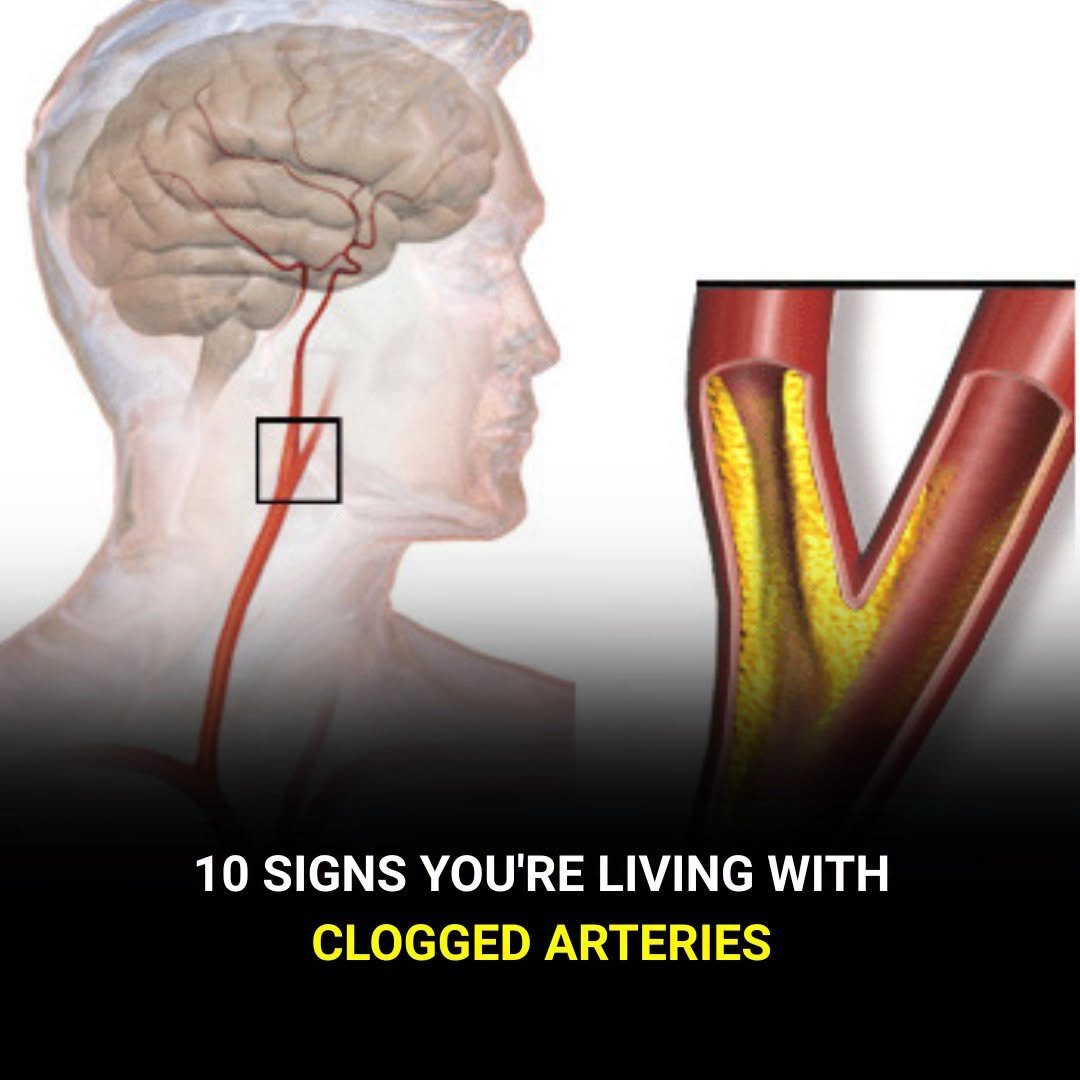
Clogged or narrowed arteries are commonly associated with atherosclerosis, a process in which plaque made from cholesterol, fats, and other substances builds up inside artery walls. Early atherosclerosis may cause no noticeable symptoms, which is why risk-factor management and appropriate medical checkups are important. When blood flow becomes restricted, however, symptoms can appear depending on which arteries are affected. Ten warning signs worth discussing with a healthcare professional include chest pressure or pain, shortness of breath, unusual fatigue, pain spreading to the arm, shoulder, neck, jaw, or back, dizziness or light-headedness, leg pain during walking that improves with rest, numbness or weakness in the legs or feet, cold feet or toes, slow-healing sores on the legs or feet, and changes in skin color or hair growth on the lower legs. Coronary artery disease can cause chest discomfort, breathlessness, and fatigue, while peripheral artery disease may cause walking-related leg pain, numbness, cool skin, weak pulses, and wounds that heal slowly.
It is important to understand that these symptoms do not automatically prove that an artery is clogged. Many other medical conditions can cause similar problems, and some people with significant artery disease may have few or no symptoms until a serious event occurs. For example, the CDC notes that a substantial proportion of people with peripheral artery disease do not experience the classic leg pain associated with it. Risk factors can provide additional clues: smoking, high blood pressure, high cholesterol, diabetes, physical inactivity, excess body weight, and a family history of early heart disease can increase cardiovascular risk. If symptoms repeatedly appear during physical activity, particularly chest discomfort or leg pain that consistently improves with rest, a medical evaluation is worthwhile. Doctors may use blood-pressure and cholesterol measurements, an ECG, imaging studies, stress testing, an ankle-brachial index, or other appropriate tests depending on the symptoms and suspected artery involved.
The most important message is that you should not wait for dramatic symptoms before taking cardiovascular health seriously. A heart-supportive lifestyle—including regular physical activity, a nutrient-dense diet, avoiding tobacco, maintaining a healthy weight, and controlling blood pressure, cholesterol, and blood sugar—can help reduce cardiovascular risk. If you experience sudden or persistent chest pressure, severe shortness of breath, cold sweating, faintness, or pain spreading to the jaw, back, shoulder, or arm, seek emergency medical care because these can be signs of a heart attack. Disclaimer: This article is for general educational and informational purposes only and does not constitute medical advice, diagnosis, or treatment. These warning signs are not proof of clogged arteries, and many symptoms have other possible causes. Always verify health information through reliable medical or scientific sources and consult a qualified healthcare professional for personalized cardiovascular evaluation.
Leave a Reply