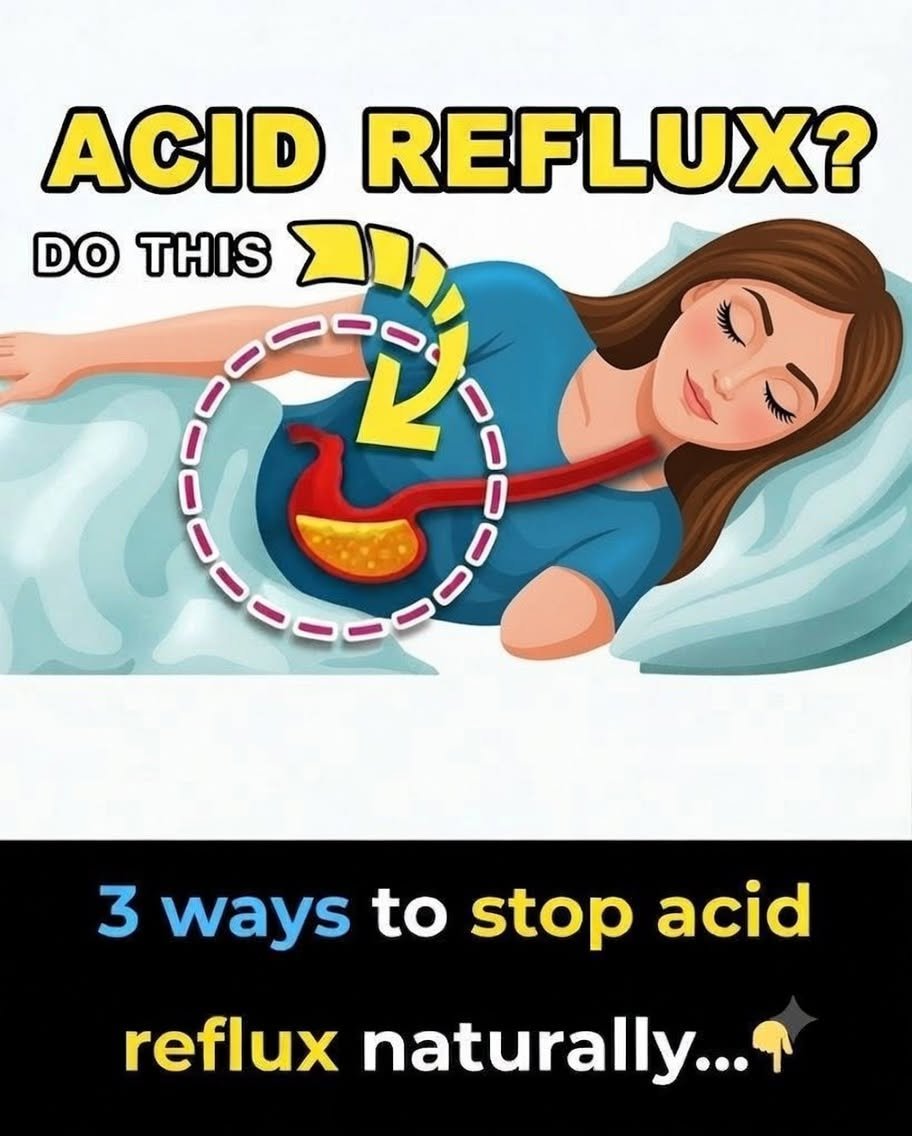
Acid reflux is often misunderstood as a condition caused simply by producing “too much stomach acid,” but experts explain that the underlying mechanism is usually more complicated. The American College of Gastroenterology states that gastroesophageal reflux disease (GERD) is generally caused by stomach contents flowing backward into the esophagus, rather than excessive acid production itself. One important factor is the lower esophageal sphincter (LES), a muscular valve that normally helps prevent stomach contents from moving upward. If this barrier relaxes too often or becomes less effective, reflux can occur. Other factors may include a hiatal hernia, impaired clearance of refluxed material, delayed stomach emptying, increased abdominal pressure, and sensitivity of the esophageal lining. Importantly, reflux can sometimes be non-acidic, meaning symptoms may persist even when acid exposure has been reduced.
This helps explain why some people continue experiencing symptoms despite taking acid-reducing medication. Persistent heartburn, regurgitation, throat irritation, coughing, or chest discomfort may not always result from uncontrolled acid exposure. Clinical guidelines recognize several possibilities, including reflux hypersensitivity, non-acid reflux, functional symptoms, or another digestive condition that resembles GERD. Common lifestyle factors can also influence symptoms. Eating shortly before lying down, excess body weight, smoking, and individual food triggers may worsen reflux for some people. Evidence-based strategies can include avoiding meals within two to three hours of bedtime, losing weight when appropriate, avoiding personal trigger foods, and elevating the head of the bed for nighttime symptoms. These measures are not identical for everyone, which is why a personalized approach can be more useful than eliminating large numbers of foods unnecessarily.
The good news is that effective GERD management does not always require extreme dietary restrictions. For people with typical symptoms, healthcare professionals may recommend an appropriate trial of acid-suppressing medication, while persistent or unexplained symptoms may require testing such as endoscopy or reflux monitoring. People should also avoid assuming that every episode of chest burning is reflux, particularly when symptoms are severe or unusual. Difficulty swallowing, persistent vomiting, gastrointestinal bleeding, unexplained weight loss, or significant chest pain should receive medical attention because these symptoms can indicate complications or another serious condition. Disclaimer: This article is provided for general educational and informational purposes only and does not constitute medical diagnosis or treatment advice. Acid reflux can have multiple causes, and symptoms alone cannot determine the underlying mechanism. Always verify health information through reliable medical sources and consult a qualified healthcare professional for persistent, severe, or unexplained symptoms.
Leave a Reply