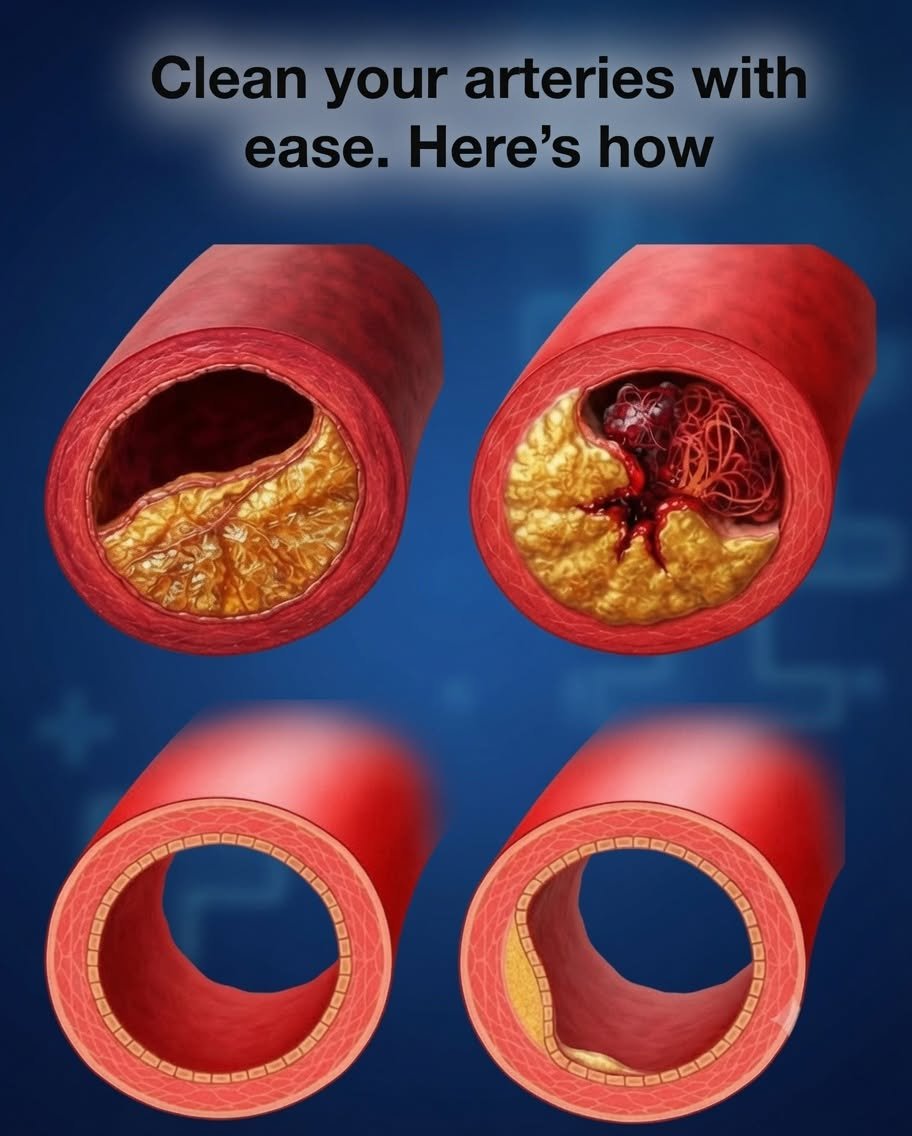
Healthy arteries are essential for delivering oxygen-rich blood throughout the body, and protecting them is closely connected with overall cardiovascular health. Rather than relying on a single “artery-cleansing” food or supplement, research supports a consistent lifestyle that addresses blood pressure, cholesterol, blood sugar, body weight, physical activity, diet, sleep, and tobacco exposure. The American Heart Association’s Life’s Essential 8 identifies these factors as key components of cardiovascular health. A heart-supportive eating pattern can include vegetables, fruits, whole grains, beans, legumes, nuts, seeds, and lean protein while limiting highly processed foods, excessive sodium, added sugars, and foods high in saturated and trans fats. These habits can help address several major risk factors associated with artery disease and may support long-term heart and blood-vessel function.
Regular physical activity is another powerful tool for maintaining cardiovascular wellness. The American Heart Association recommends that adults aim for at least 150 minutes of moderate-intensity aerobic activity or 75 minutes of vigorous activity each week, with activity spread throughout the week. Brisk walking, cycling, swimming, or other enjoyable forms of movement can contribute to this goal, while strength-training activities can complement aerobic exercise. Managing blood pressure and cholesterol is equally important because these factors can influence the development of cardiovascular disease. The CDC recommends regular blood-pressure monitoring and appropriate cholesterol testing, particularly for people with risk factors or existing conditions. If a healthcare professional recommends medication for high blood pressure or cholesterol, lifestyle improvements should complement—not replace—prescribed treatment. Smoking is another major concern: cigarette smoking can damage blood vessels, accelerate hardening of the arteries, and substantially increase cardiovascular risk.
Supporting healthy arteries is therefore less about finding a miracle ingredient and more about building sustainable heart-health habits. Maintaining a healthy weight, staying physically active, choosing nutrient-dense foods, getting adequate sleep, avoiding tobacco, and keeping blood pressure, cholesterol, and blood sugar under control can work together to reduce cardiovascular risk. The CDC notes that healthy lifestyle choices can help maintain healthier levels of blood pressure, cholesterol, and blood sugar and lower the risk of heart disease. People with diabetes, high blood pressure, high cholesterol, kidney disease, or a strong family history of cardiovascular disease may benefit from discussing individualized prevention strategies with a healthcare professional. Disclaimer: This article is provided for general educational and informational purposes only and does not constitute medical advice, diagnosis, or treatment. No single food, supplement, or lifestyle habit can guarantee “clean” or disease-free arteries. Health recommendations should be individualized and verified through reliable medical and scientific sources. Always consult a qualified healthcare professional before making significant changes to your diet, exercise routine, or prescribed treatment.
Leave a Reply