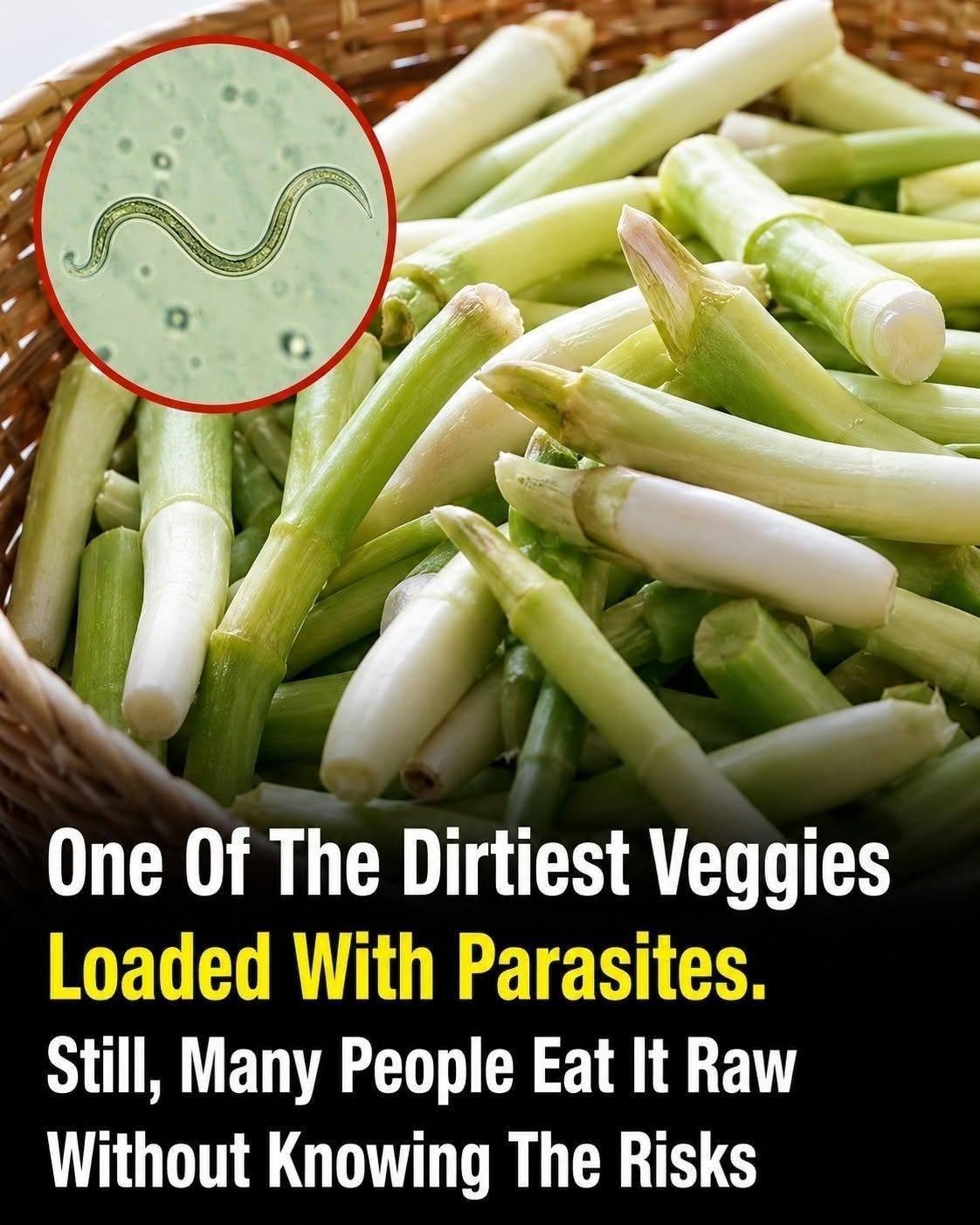
Raw vegetables can be a healthy part of a balanced diet, but some produce may become contaminated with harmful microorganisms during growing, harvesting, transportation, or preparation. Watercress and other raw aquatic plants are among the vegetables specifically identified by the CDC as potential vehicles for foodborne parasites when contaminated. The CDC also notes that raw vegetables contaminated with human or animal feces can transmit parasites such as Cyclospora, Giardia, and other organisms. However, it would be misleading to say that one particular vegetable is universally “the most likely” to carry parasites. Contamination depends on growing conditions, water quality, sanitation, handling, and food-preparation practices. Recent food-safety attention has also highlighted leafy greens such as lettuce because raw produce can become contaminated with pathogens in agricultural environments.
The bigger concern is often eating produce raw without adequate cleaning. Raw vegetables do not receive a cooking step that can destroy many harmful organisms, which means contamination present on the surface may remain when the food reaches the plate. The CDC lists unwashed fresh fruits and vegetables, including lettuce and leafy greens, among riskier food choices and recommends washing produce before eating. The FDA similarly explains that harmful bacteria can be present in soil or water and can contaminate produce before or after harvesting. Thoroughly rinsing fruits and vegetables under running water can reduce some contamination, although washing cannot eliminate every pathogen. Importantly, consumers should not wash vegetables with soap, detergent, or household cleaning chemicals; FDA guidance recommends plain running water instead. For foods such as firm cucumbers or similar produce, gently scrubbing the surface with a clean produce brush can also help remove dirt and microorganisms.
The best approach is not to fear raw vegetables but to practice sensible food-safety and hygiene habits. Wash your hands before preparing produce, rinse vegetables thoroughly under clean running water, remove damaged portions, prevent contact with raw meat and contaminated utensils, and refrigerate perishable produce appropriately. People at higher risk of severe foodborne illness, including those with weakened immune systems, may need additional precautions and may be advised to choose cooked vegetables more often. Fresh vegetables remain an important source of fiber, vitamins, minerals, and other nutrients, so the goal is safer preparation—not avoiding them altogether. Disclaimer: This article is for general educational and informational purposes only. There is no reliable basis for claiming that one vegetable is universally “most likely” to carry parasites, and contamination risk varies according to growing, handling, and preparation conditions. Always verify food-safety claims through reliable government, scientific, or medical sources and consult a qualified healthcare professional for individual health concerns.
Leave a Reply