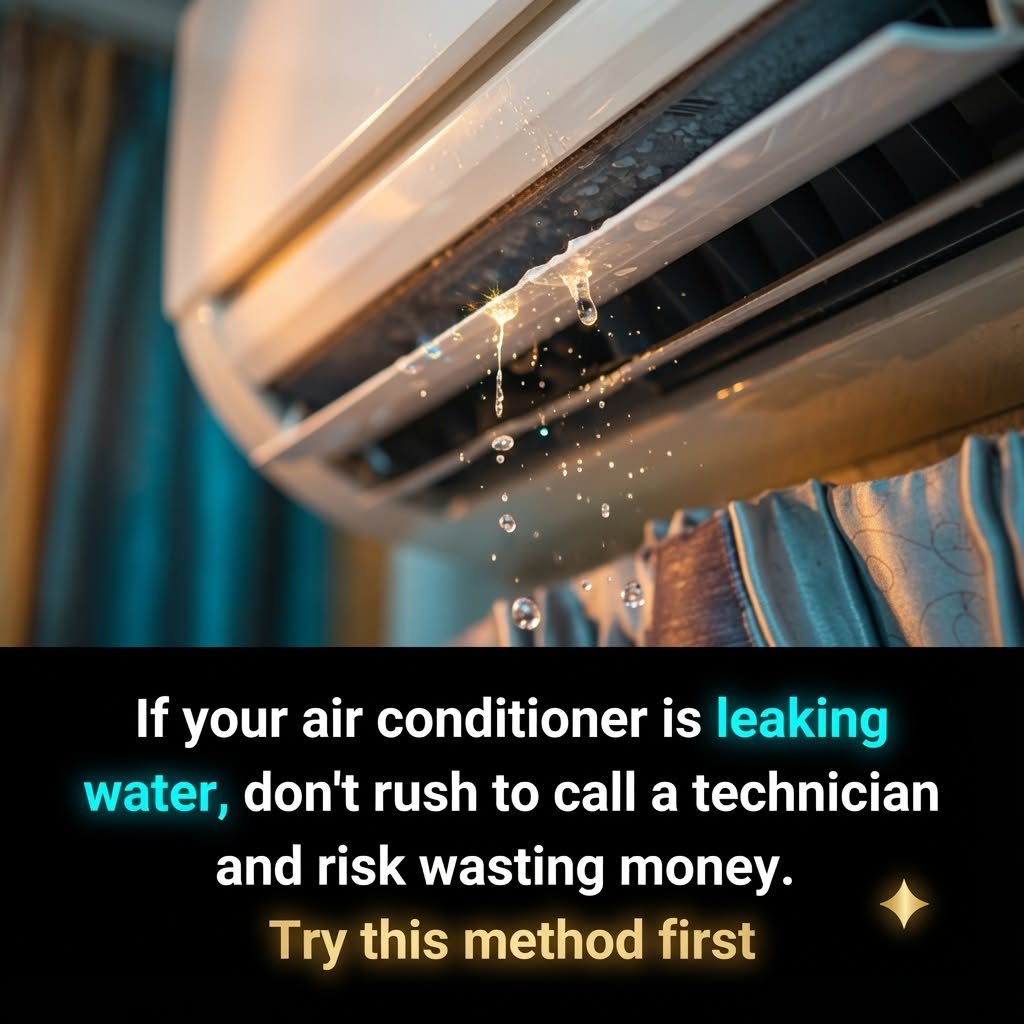
When a household appliance suddenly stops working, many people immediately assume that an expensive repair is needed. But sometimes the cause is surprisingly simple. Before calling a technician, check the basics first—provided the appliance is safe to inspect. For a washing machine, for example, a loose power connection, blocked drain filter, kinked hose, or temporary error can sometimes cause problems that do not require professional repair. Manufacturer-style troubleshooting guidance commonly recommends checking power, connections, filters, hoses, and displayed error codes before assuming an internal component has failed. A simple restart can also resolve an occasional electronic glitch, although repeated failures should not be ignored.
The same principle can apply to other everyday appliances. If a dishwasher is not draining, check whether the filter or drain area is clogged; if a device will not turn on, confirm that the outlet and power connection are working. For appliances that use water, inspect visible hoses for obvious kinks or blockages. Never open electrical panels or attempt repairs involving live electricity, and do not dismantle gas appliances unless you are properly trained. A gas smell, burning odor, smoke, sparks, exposed wiring, or repeated electrical tripping is a reason to stop using the appliance and seek qualified professional assistance rather than trying to save money with a risky DIY repair.
The smartest approach is not “never call a technician”—it is knowing when professional help is actually necessary. If basic troubleshooting does not solve the problem, the appliance repeatedly develops the same fault, or the suspected issue involves electrical components, gas connections, refrigeration systems, or complicated electronics, professional diagnosis can prevent further damage and improve safety. For example, some washing-machine faults can involve control modules or internal wiring that should not be handled without appropriate knowledge and tools. Before paying for a repair, check the appliance’s manual, warranty status, error code, and whether the manufacturer recommends a specific service procedure. Disclaimer: This article is for general household troubleshooting information only and does not constitute professional repair, electrical, gas, or appliance-safety advice. Never attempt a repair that could expose you to electricity, gas, fire, or other hazards. Always follow the manufacturer’s instructions and contact a qualified technician when the problem is beyond safe basic checks.
Leave a Reply