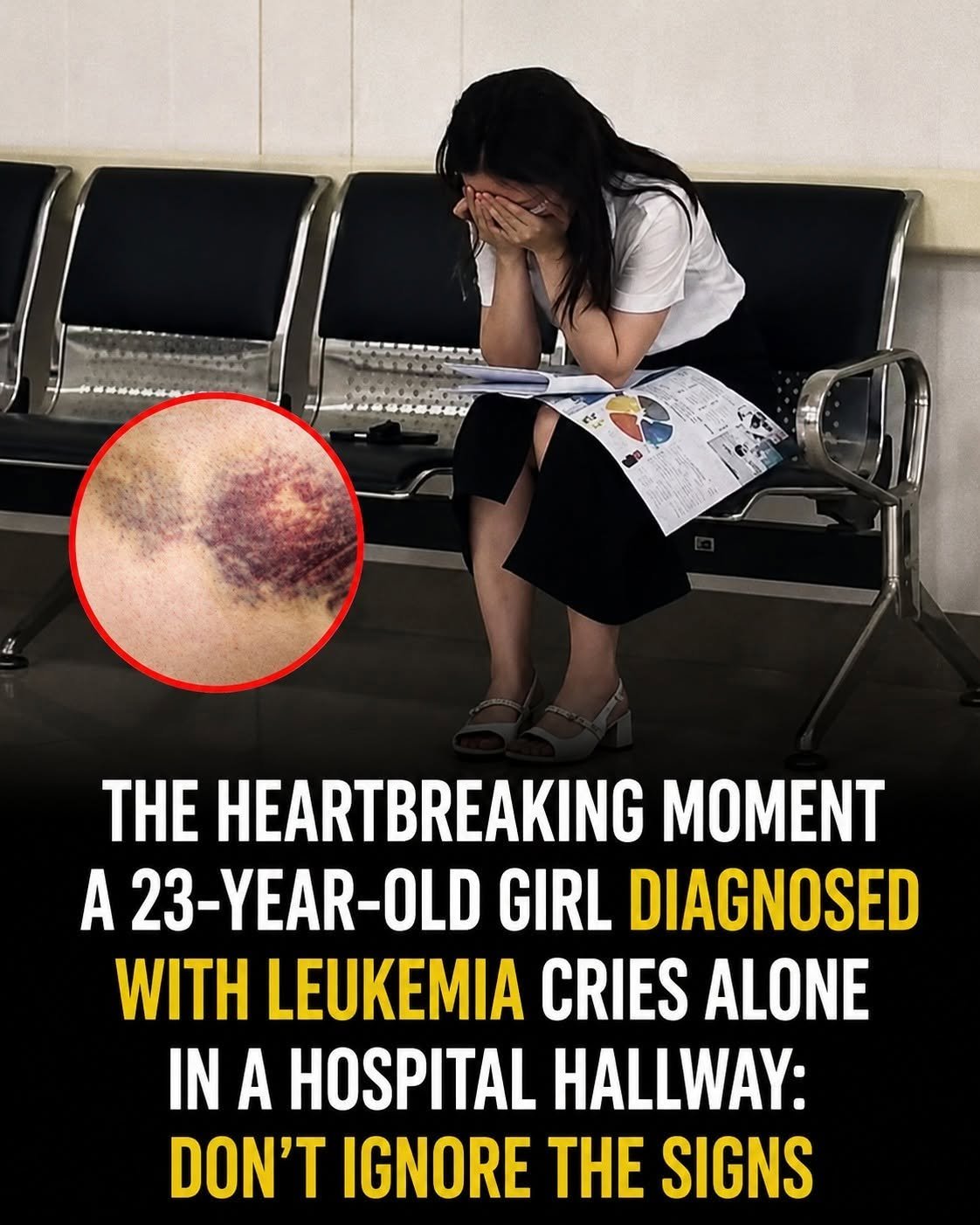
Digital media platforms frequently feature high-stakes emotional photography—such as a distressed young patient sitting alone in a hospital hallway paired with a close-up inset of skin bruising—accompanied by sensationalized headlines like “Blo.od can.cer can affect young adults too—know the early warning signs before it’s too late” and “THE HEARTBREAKING MOMENT A 23-YEAR-OLD GIRL DIAGNOSED WITH LEUKEMIA CRIES ALONE IN A HOSPITAL HALLWAY: DON’T IGNORE THE SIGNS”. These viral posts rely on censorial text modifications (such as “blo.od can.cer”), emotionally manipulative tragedy tropes, and high-stakes health anxiety hooks to bypass content moderation filters, provoke intense medical panic in comment sections, and drive rapid social media sharing and ad-monetized click-through rates rather than offering accurate hematological or oncological education.
From an oncology and clinical hematology perspective, while hematologic malignancies like leukemia can affect individuals across various age groups, viral listicles often exploit common, non-specific physical findings—such as minor bruising, fatigue, or general malaise—to manufacture widespread panic. While true clinical warning signs of blood cancers can include persistent unexplained bruising, petechiae, prolonged bleeding, recurrent infections, or unexplained fevers due to compromised blood cell production, everyday bumps and minor contusions are exceedingly common and usually stem from benign physical trauma or normal skin fragility. Content-farming networks systematically take tragic personal narratives or staged medical imagery and weaponize them into generalized, fear-inducing clickbait warnings to manipulate recommendation algorithms and maximize digital ad revenue.
Navigating health concerns and evaluating persistent physical symptoms effectively relies on evidence-based clinical diagnostics rather than self-diagnosing via sensationalized social media posts. Standard medical evaluation for concerning hematological signs involves comprehensive physical examinations, complete blood cell (CBC) counts, and specialized diagnostic testing performed by qualified medical professionals. Understanding how engagement algorithms weaponize health anxiety helps consumers approach online medical content with critical media literacy. For verified guidance on cancer screening, hematological symptoms, or diagnostic evaluations, consulting board-certified hematologists, oncologists, or primary care physicians provides authoritative, scientifically grounded care.
Leave a Reply