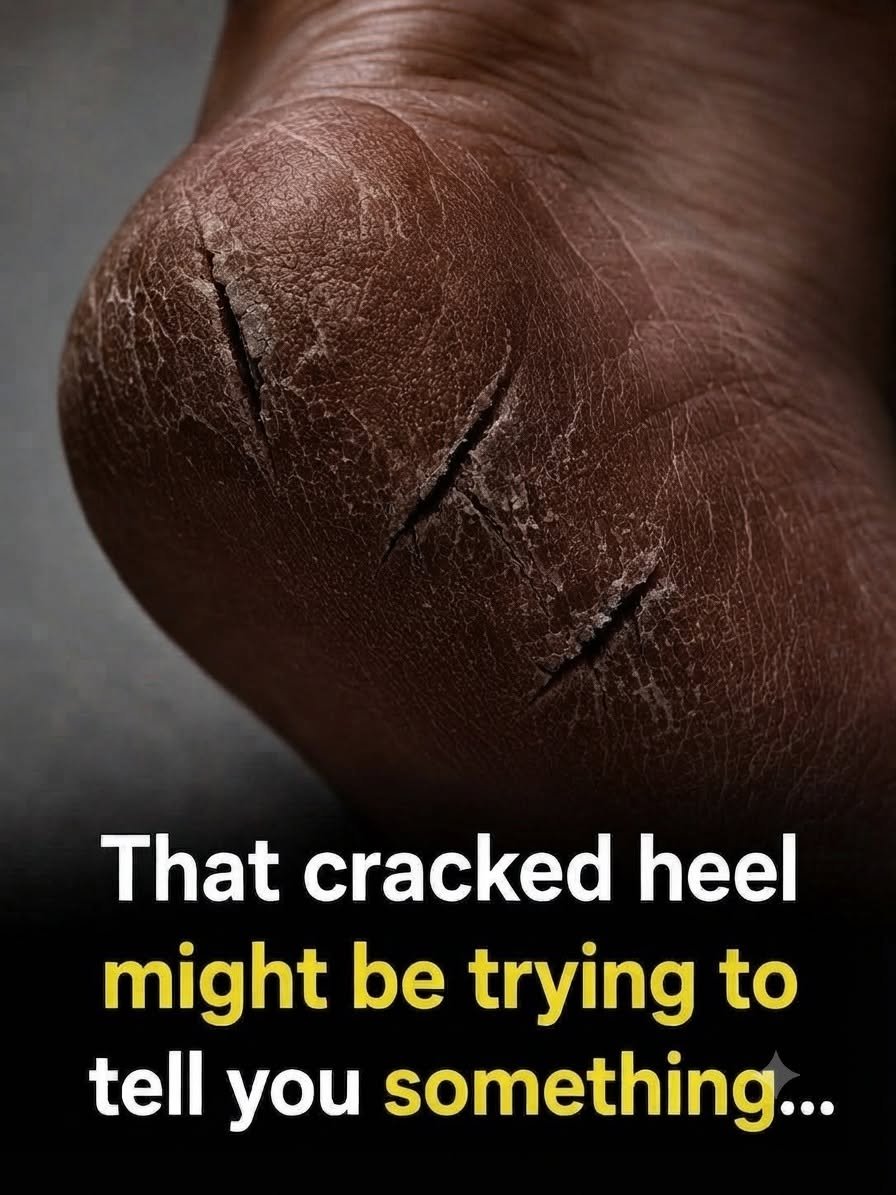
Digital media platforms frequently feature severe medical macro-photography—such as close-ups of deeply cracked, calloused heel fissures—paired with sensationalized headlines claiming “Doctors Reveal What Could Help Smoother, Healthier-Looking Heels — But There’s One Detail Most People Miss…” or “That cracked heel might be trying to tell you something…”. These viral posts rely on visceral discomfort, open-ended health warnings, and diagnostic mystery hooks to provoke body anxiety, incite heavy comment section engagement, and drive rapid social media sharing and ad-monetized click-through rates rather than offering balanced podiatric or dermatological education.
From a podiatric dermatology perspective, cracked heels (heel fissures) occur primarily when the thick skin around the rim of the heel becomes excessively dry, loses elasticity, and splits under mechanical body weight pressure. While the vast majority of cases stem from routine cosmetic or environmental factors—such as open-backed footwear, prolonged standing on hard surfaces, dry climates, or basic skin dehydration—deep or painful fissures can occasionally indicate underlying systemic or dermatological conditions. Key factors most people overlook include keratolytic treatment protocols (such as using urea or salicylic acid creams rather than over-filing skin), underlying fungal infections like athlete’s foot (tinea pedis), vitamin deficiencies, hypothyroidism, or impaired peripheral circulation related to diabetes. Content-farming networks systematically take standard skin maintenance issues and frame them with ominous, secret medical warnings to manipulate recommendation algorithms and maximize digital advertising revenue.
Managing cracked heels and supporting long-term skin barrier health relies on evidence-based podiatric care rather than succumbing to clickbait alarmism. Standard clinical protocols emphasize gentle mechanical exfoliation with a pumice stone on damp skin, followed immediately by thick emollient ointments or keratolytics containing 20–40% urea to restore lipid barriers and dissolve thickened stratum corneum. Understanding how engagement algorithms weaponize routine dermatological conditions helps consumers evaluate online wellness claims with critical media literacy. For persistent, painful, bleeding, or infected heel fissures—especially for individuals living with diabetes or vascular disease—consulting a board-certified podiatrist or dermatologist provides authoritative, scientifically grounded care.
Leave a Reply