Understanding Food Microbiology and Hepatology: The Science Behind Poultry Safety, Foodborne Toxins, and Viral Health Warnings
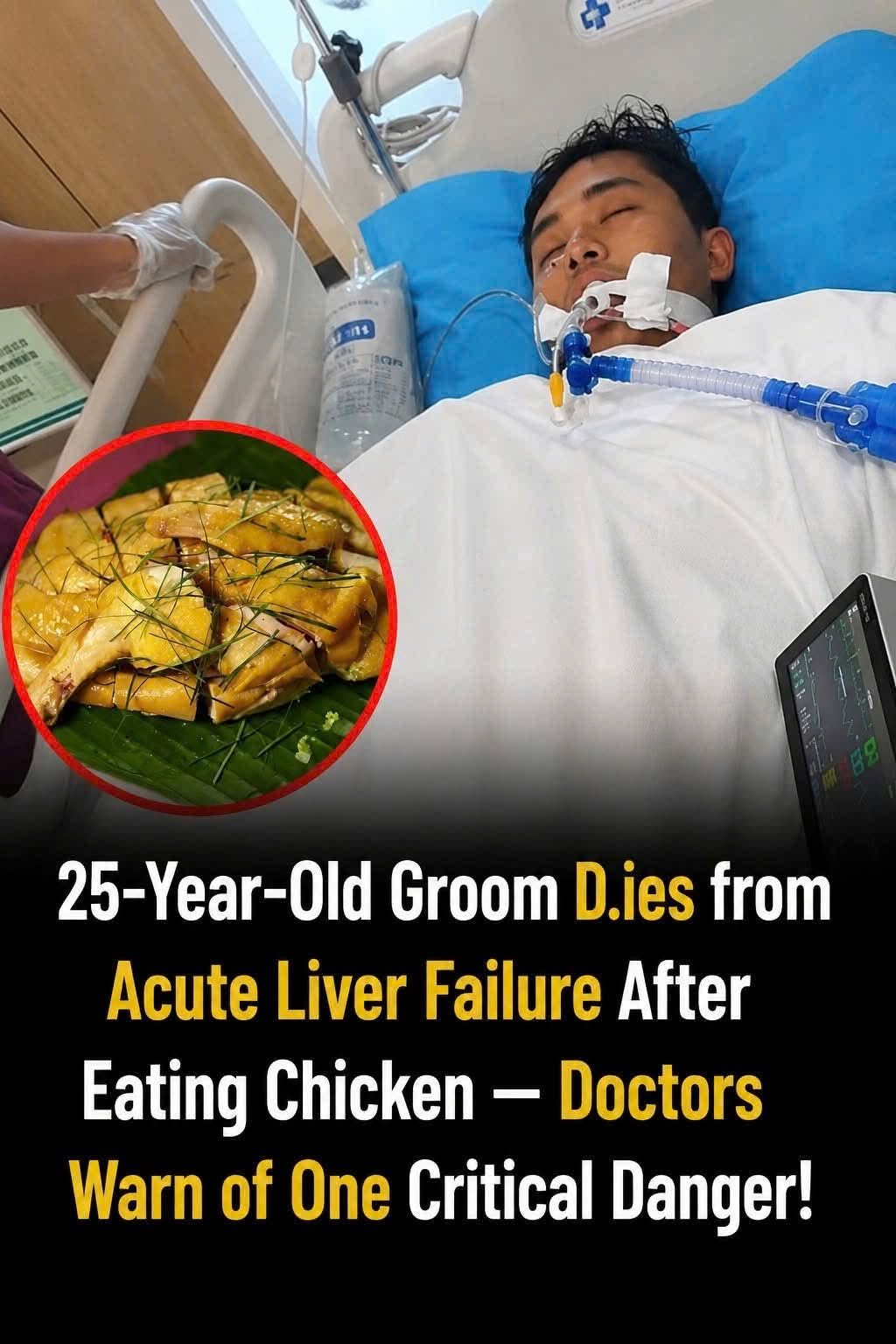
Digital media platforms frequently feature composite imagery depicting hospital patients on medical life support paired with cooked poultry graphics and shocking headlines—such as claiming a young groom died from acute liver failure after eating chicken. These viral posts rely on censorial word masking (such as “D.ies”), extreme medical outcomes, and open-ended warnings to provoke health terror, maximize social media sharing, and drive ad-monetized web traffic rather than providing evidence-based culinary hygiene or gastroenterological guidance.
From a food microbiology and toxicology perspective, standard consumption of properly cooked chicken does not cause acute liver failure. Pathogens associated with raw or undercooked poultry—such as Campylobacter, Salmonella, and Clostridium perfringens—primarily cause acute gastroenteritis, manifesting as nausea, vomiting, diarrhea, and abdominal cramping. While extreme cases of food poisoning can lead to severe systemic complications like sepsis, acute liver failure from poultry consumption is virtually non-existent unless the food was contaminated with powerful chemical hepatotoxins, highly toxic mold derivatives (such as aflatoxins from improperly stored feed), or severe cross-contamination in specialized commercial settings. Content-farming networks systematically take unrelated clinical imagery, pair it with standard meal photos, and invent tragic medical narratives to manipulate audience emotions and boost digital click-through rates.
Ensuring poultry safety and preventing foodborne illness relies on adherence to core kitchen hygiene principles rather than viral internet panic. Cooking poultry to a safe internal temperature of 165°F (74°C) reliably neutralizes bacterial pathogens, while avoiding the practice of washing raw chicken prevents the aerosolized spread of bacteria across kitchen surfaces. Promptly refrigerating leftover cooked poultry at or below 40°F (4°C) prevents microbial growth and toxin production. For verified guidance on food safety, safe internal cooking temperatures, and foodborne illness prevention, consulting government agricultural agencies, public health departments, or infectious disease specialists provides authoritative, scientifically backed information.Understanding Food Microbiology and Hepatology: The Science Behind Poultry Safety, Foodborne Toxins, and Viral Health Warnings
Digital media platforms frequently feature composite imagery depicting hospital patients on medical life support paired with cooked poultry graphics and shocking headlines—such as claiming a young groom died from acute liver failure after eating chicken. These viral posts rely on censorial word masking (such as “D.ies”), extreme medical outcomes, and open-ended warnings to provoke health terror, maximize social media sharing, and drive ad-monetized web traffic rather than providing evidence-based culinary hygiene or gastroenterological guidance.
From a food microbiology and toxicology perspective, standard consumption of properly cooked chicken does not cause acute liver failure. Pathogens associated with raw or undercooked poultry—such as Campylobacter, Salmonella, and Clostridium perfringens—primarily cause acute gastroenteritis, manifesting as nausea, vomiting, diarrhea, and abdominal cramping. While extreme cases of food poisoning can lead to severe systemic complications like sepsis, acute liver failure from poultry consumption is virtually non-existent unless the food was contaminated with powerful chemical hepatotoxins, highly toxic mold derivatives (such as aflatoxins from improperly stored feed), or severe cross-contamination in specialized commercial settings. Content-farming networks systematically take unrelated clinical imagery, pair it with standard meal photos, and invent tragic medical narratives to manipulate audience emotions and boost digital click-through rates.
Ensuring poultry safety and preventing foodborne illness relies on adherence to core kitchen hygiene principles rather than viral internet panic. Cooking poultry to a safe internal temperature of 165°F (74°C) reliably neutralizes bacterial pathogens, while avoiding the practice of washing raw chicken prevents the aerosolized spread of bacteria across kitchen surfaces. Promptly refrigerating leftover cooked poultry at or below 40°F (4°C) prevents microbial growth and toxin production. For verified guidance on food safety, safe internal cooking temperatures, and foodborne illness prevention, consulting government agricultural agencies, public health departments, or infectious disease specialists provides authoritative, scientifically backed information.Digital media platforms frequently feature composite imagery depicting hospital patients on medical life support paired with cooked poultry graphics and shocking headlines—such as claiming a young groom died from acute liver failure after eating chicken. These viral posts rely on censorial word masking (such as “D.ies”), extreme medical outcomes, and open-ended warnings to provoke health terror, maximize social media sharing, and drive ad-monetized web traffic rather than providing evidence-based culinary hygiene or gastroenterological guidance.
From a food microbiology and toxicology perspective, standard consumption of properly cooked chicken does not cause acute liver failure. Pathogens associated with raw or undercooked poultry—such as Campylobacter, Salmonella, and Clostridium perfringens—primarily cause acute gastroenteritis, manifesting as nausea, vomiting, diarrhea, and abdominal cramping. While extreme cases of food poisoning can lead to severe systemic complications like sepsis, acute liver failure from poultry consumption is virtually non-existent unless the food was contaminated with powerful chemical hepatotoxins, highly toxic mold derivatives (such as aflatoxins from improperly stored feed), or severe cross-contamination in specialized commercial settings. Content-farming networks systematically take unrelated clinical imagery, pair it with standard meal photos, and invent tragic medical narratives to manipulate audience emotions and boost digital click-through rates.
Ensuring poultry safety and preventing foodborne illness relies on adherence to core kitchen hygiene principles rather than viral internet panic. Cooking poultry to a safe internal temperature of 165°F (74°C) reliably neutralizes bacterial pathogens, while avoiding the practice of washing raw chicken prevents the aerosolized spread of bacteria across kitchen surfaces. Promptly refrigerating leftover cooked poultry at or below 40°F (4°C) prevents microbial growth and toxin production. For verified guidance on food safety, safe internal cooking temperatures, and foodborne illness prevention, consulting government agricultural agencies, public health departments, or infectious disease specialists provides authoritative, scientifically backed information.
Leave a Reply