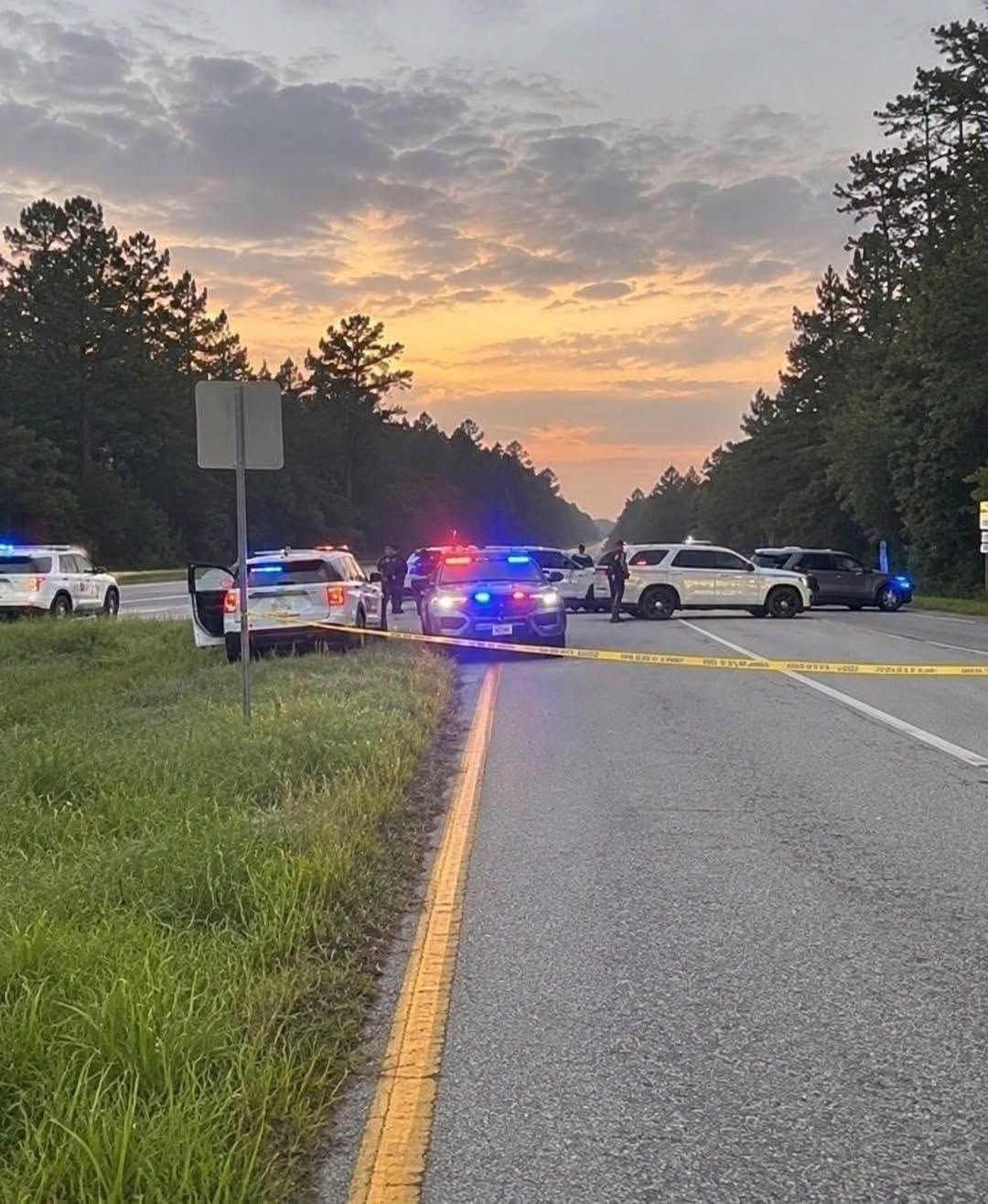
Digital media platforms frequently feature stock photography or repurposed law enforcement scene footage—such as police cruisers blocking a rural highway—paired with alarming headlines warning the public to avoid a specific unspecified area. These viral posts rely on evasive spelling (such as “P0Iice” or “warn!ng”), ambiguous geographic framing, and threat sensationalism to bypass automated spam filters, provoke immediate anxiety, and drive rapid social media shares rather than transmitting genuine emergency public safety advisories.
From a digital forensics and public communications perspective, generic police scene images attached to open-ended warning captions are classic examples of engagement-farming hoaxes. These posts rarely identify a specific jurisdiction, road name, or verifiable event, relying instead on artificial urgency to compel viewers to click external links, comment for clarification, or share the post out of concern. Content-farming networks systematically repurpose real law enforcement scenes—such as past traffic accidents, routine road closures, or active investigations—and strip them of original context to manufacture high-engagement clickbait that inflames public alarm and maximizes ad-monetized traffic.
Evaluating public safety threats effectively requires relying on verified local law enforcement communications, official emergency management channels, and accredited news outlets rather than sensationalized social media claims. Authentic public emergency alerts provide precise geographic coordinates, actionable instructions, and verifiable official sources. If you encounter posts claiming active police warnings or localized dangers in your area, consulting local emergency services dashboards, official department social media accounts, or municipal traffic portals ensures accurate and dependable safety information.
Leave a Reply