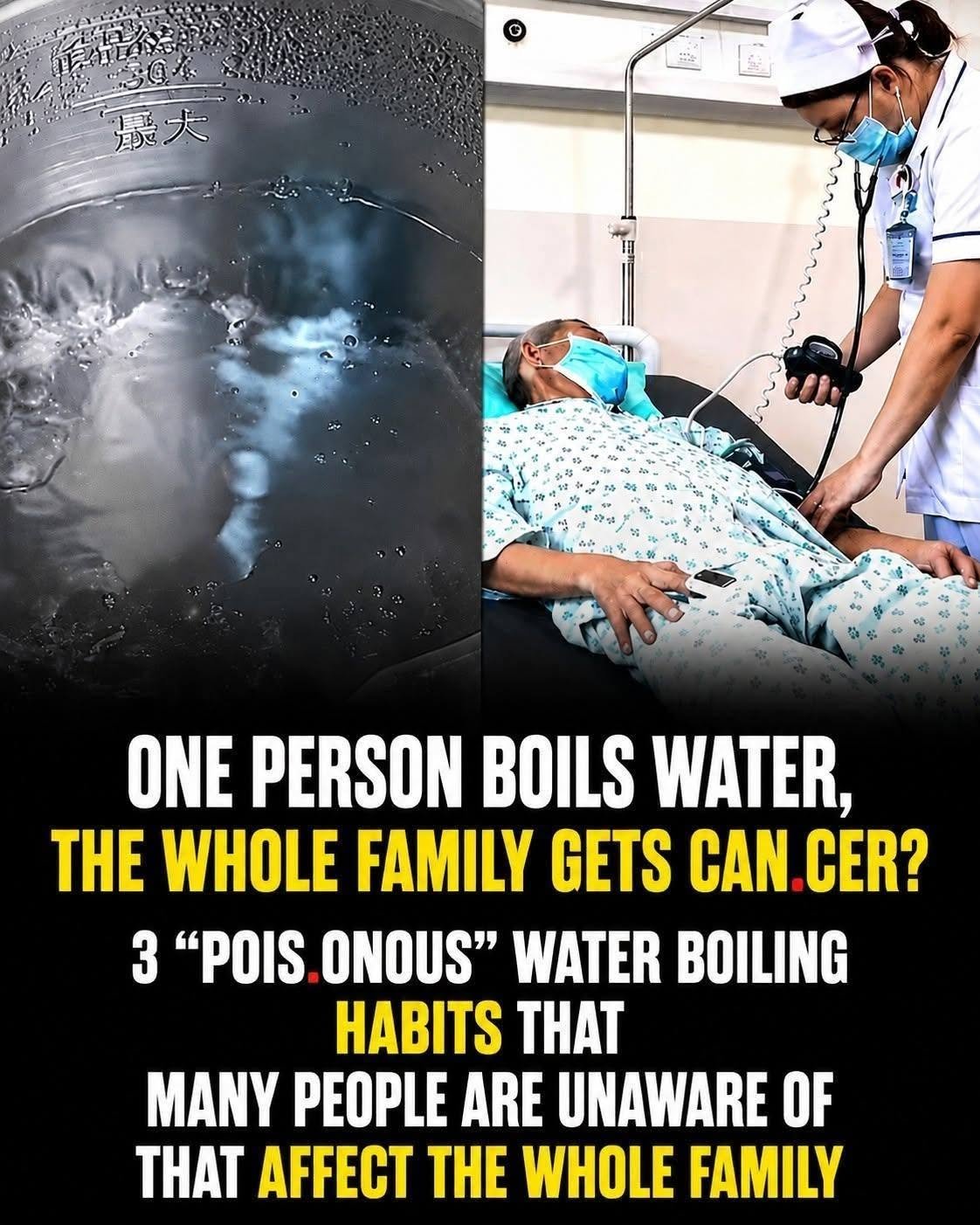
Digital media platforms frequently feature composite graphics pairing boiling electric kettles with hospital scenes and alarming headlines—such as claiming that boiling water or standard kettle habits cause cancer across whole families. These viral posts rely on evasive spelling, extreme health threats, and open-ended listicles to incite fear, provoke social media shares, and drive ad-monetized web traffic rather than providing evidence-based consumer health or toxicological guidance.
From a food safety and materials science perspective, standard electric kettles constructed from food-grade materials—such as 304 food-grade stainless steel, glass, or BPA-free heat-resistant polymers—do not render drinking water poisonous or carcinogenic. A persistent myth suggests that re-boiling water causes dangerous concentrations of nitrates, heavy metals, or fluorides; however, the minimal volume reduction from steam evaporation during typical domestic re-boiling is negligible and produces no toxicological risk. Similarly, claims regarding low-quality stainless steel leaching dangerous manganese levels into boiled water have been debunked by food safety testing, as standard household boiling parameters are insufficient to cause hazardous metal leaching. Content-farming networks systematically distort basic kitchen hygiene recommendations into extreme cancer warnings to maximize digital click-through rates.
Maintaining safe drinking water in the home relies on using certified, food-safe appliances, regular descaling with natural solutions like citric acid or vinegar to prevent mineral limescale buildup, and ensuring clean tap or filtered water sources. Understanding how viral health clickbait manipulates environmental safety concerns helps consumers separate actual household hazards from online disinformation. For verified guidelines on home appliance safety, water sanitation standards, and disease prevention, consulting government consumer protection agencies, public health departments, or food safety authorities provides authoritative, scientific information.
Leave a Reply