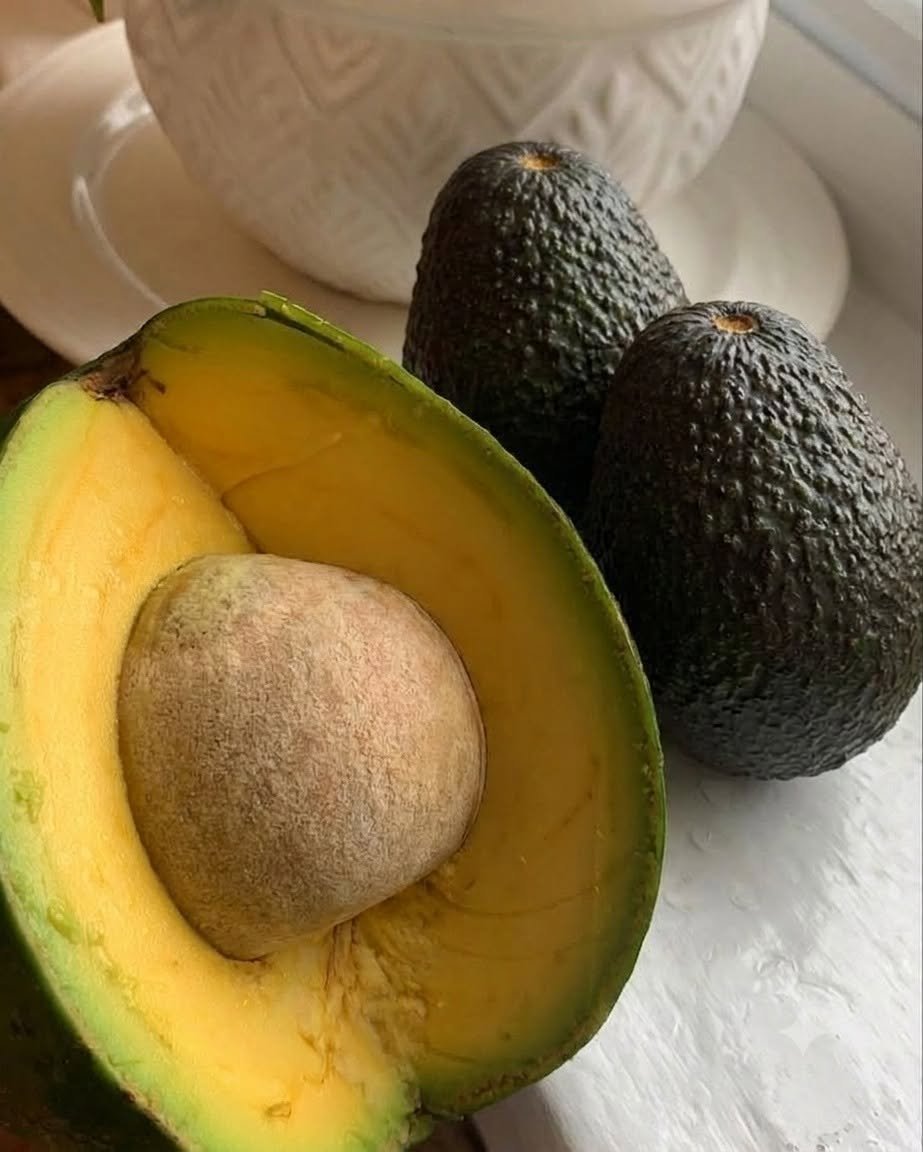
Avocados are often praised for their creamy texture, but their nutritional profile may be the more interesting part. They provide fiber, potassium, magnesium, folate, vitamin C, vitamin K, and predominantly unsaturated fats, including monounsaturated fat. These nutrients can support a balanced eating pattern and cardiovascular health. The American Heart Association notes that avocado can be a useful replacement for foods higher in saturated fat, such as butter, cheese, and processed meats. In a large observational study following more than 110,000 health professionals for decades, people who reported eating at least two servings of avocado per week had a lower risk of cardiovascular disease than those who rarely ate it. However, because the study was observational, it cannot prove that avocados themselves caused the lower risk.
One unexpected effect may be on digestion and fullness. Avocado contains both soluble and insoluble fiber, which can support normal bowel function and contribute to feeling satisfied after eating. Its healthy fats can also make meals more filling, potentially making avocado a useful alternative to foods rich in saturated fat. However, avocado is still relatively calorie-dense because it contains a significant amount of fat—even though much of that fat is considered healthier unsaturated fat. Harvard Health’s current dietary guidance emphasizes choosing healthier unsaturated fats while still paying attention to total calorie intake. So adding large portions of avocado on top of an already calorie-rich diet may not produce the same benefits as using it to replace less nutritious foods.
There are also situations where portion size and individual health conditions matter. People with certain kidney conditions may need individualized guidance about potassium-rich foods, while anyone monitoring calorie intake should remember that nutritious foods can still contribute substantial calories. The best approach is to enjoy avocado as part of a varied diet that includes vegetables, fruits, whole grains, healthy protein sources, and other minimally processed foods. The American Heart Association’s 2026 dietary guidance specifically emphasizes overall dietary quality rather than relying on a single “superfood.” Disclaimer: This article is for general educational and nutritional information only and does not constitute medical diagnosis, treatment, or personalized dietary advice. Avocados may offer nutritional benefits, but eating them does not guarantee protection against disease or produce the same effects in everyone. Online health claims may be exaggerated, misleading, or unauthenticated, so always verify important information through reliable medical sources and consult a qualified healthcare professional about individual dietary needs.
Leave a Reply