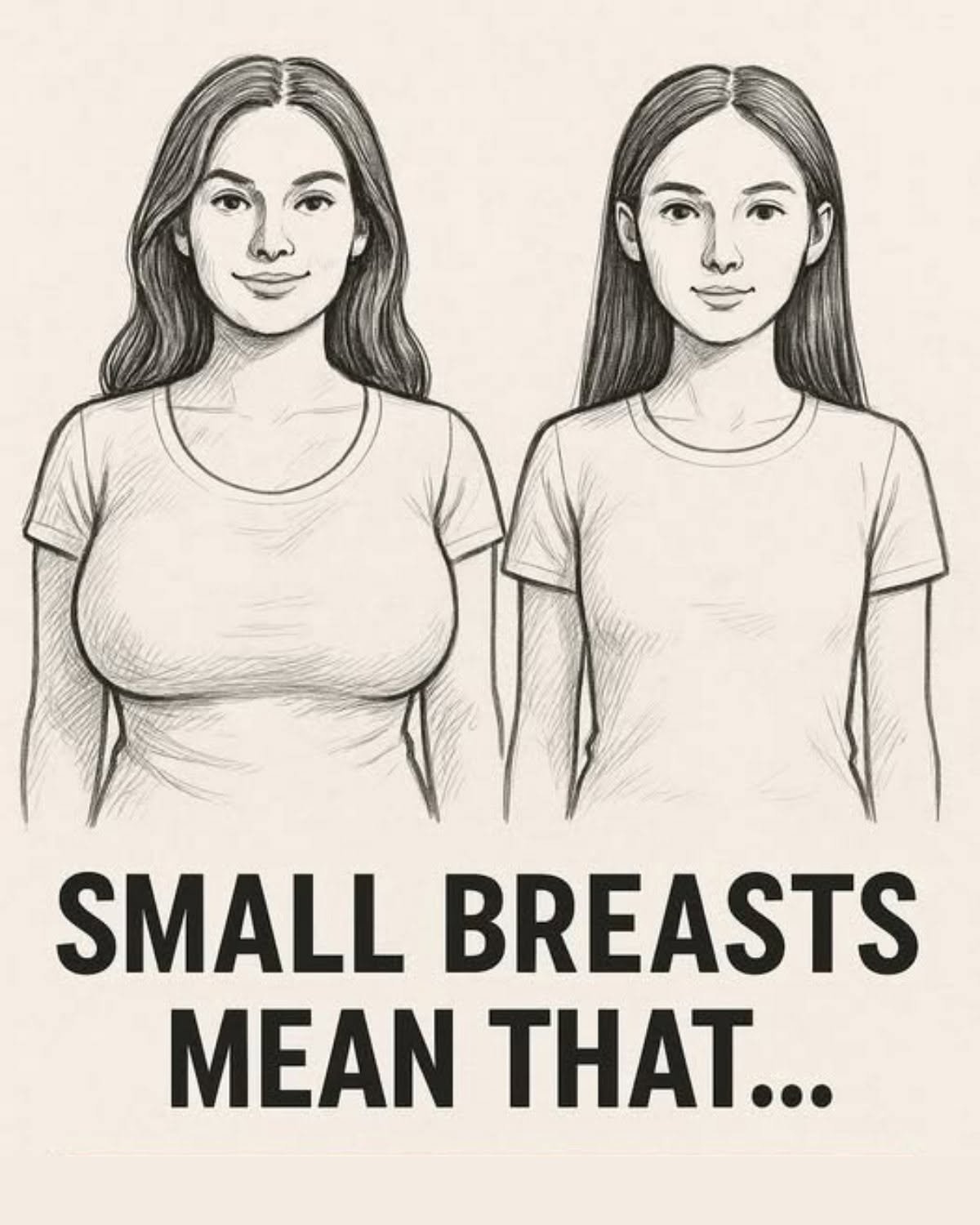
Digital media platforms frequently feature hand-drawn or artificially generated comparative sketches paired with provocative, incomplete headlines—such as speculating on pseudoscientific correlations between external physical traits and intimate anatomical characteristics. These viral graphics systematically utilize evasive spelling or cut-off phrasing to bypass automated content moderation algorithms while exploiting personal insecurities, provoking curiosity, and driving rapid online comment sharing.
From a clinical endocrinology, anatomy, and human physiology perspective, human body morphology is governed by complex genetic variations, hormonal profiles, and adipose tissue distribution rather than arbitrary external correlations. Breast size is primarily determined by genetic predisposition, glandular tissue composition, and overall body fat percentage, and it bears zero physiological, anatomical, or functional correlation to any other internal or external body structure. Content-farming networks routinely invent baseless, sensationalized biological myths to manipulate engagement metrics, click-through rates, and advertising revenue.
Evaluating human anatomy and health information effectively requires relying on verified medical science, peer-reviewed endocrinology, and objective biological principles rather than internet folklore. Understanding how clickbait operations exploit body image insecurities helps maintain a grounded perspective on human diversity. If you have questions about human anatomy, physiological development, or reproductive health, consulting licensed physicians, endocrinologists, or qualified healthcare providers offers accurate, evidence-based guidance.
Leave a Reply