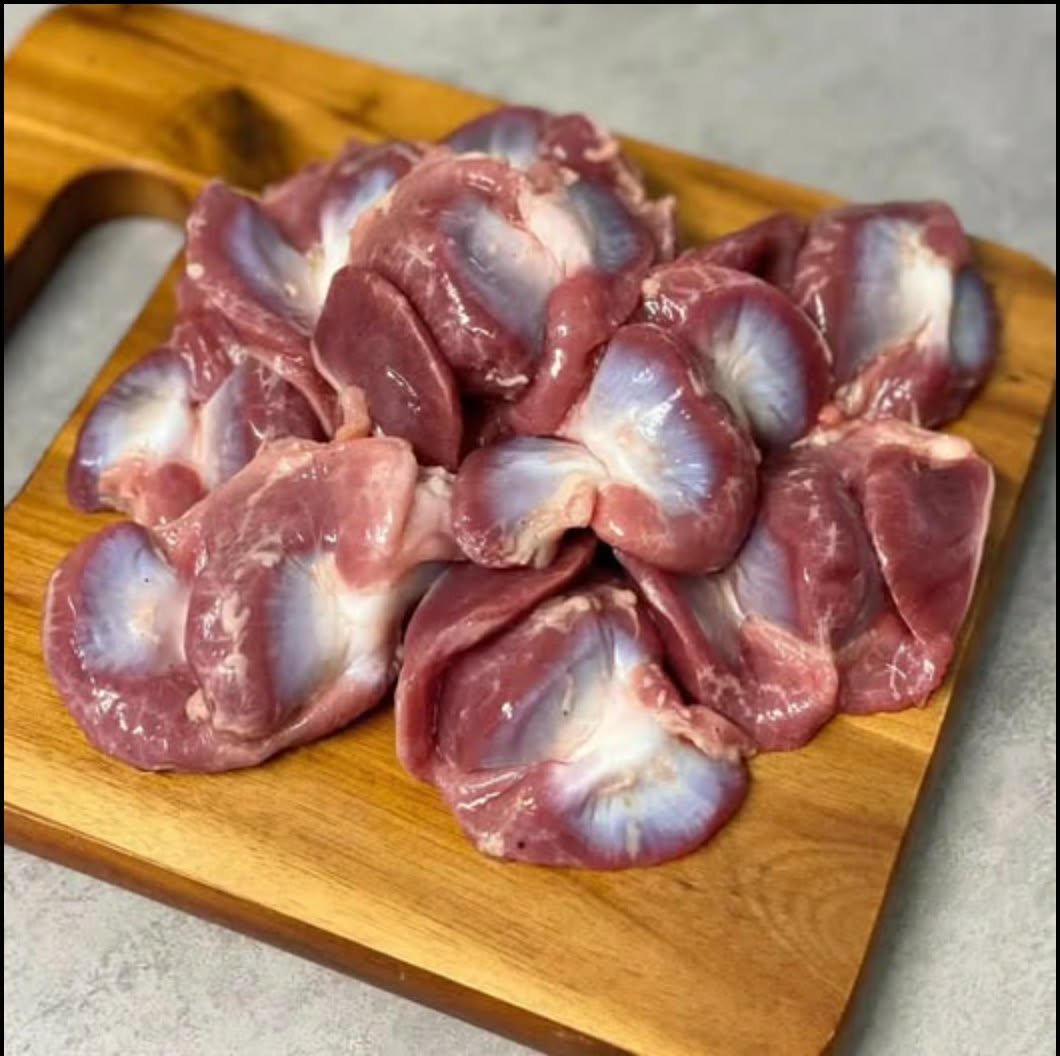
Digital media platforms frequently feature close-up photography of raw organ meats paired with sensationalized, incomplete headlines—such as claiming that eating chicken gizzards eliminates the need for essential medications, supplements, or medical therapies. These viral posts rely on cut-off teasers and pseudoscientific health promises to provoke curiosity, exploit desires for natural remedies, and drive rapid online comment sharing rather than providing accurate, evidence-based nutritional science.
JPG+ 1
From a clinical nutrition and gastroenterology perspective, chicken gizzards are a lean, nutrient-dense source of complete protein, heme iron, zinc, phosphorus, and vitamin B12. While incorporating organ meats into a well-balanced diet can support healthy hemoglobin synthesis and cellular metabolism, no single food item can replace targeted pharmacological treatments, clinical hormone therapies, or prescribed dietary supplements for medical deficiencies. Content-farming networks routinely exaggerate basic micronutrient values into “miracle cure” substitutes for modern medicine to maximize digital engagement metrics, click-through rates, and ad revenue.
JPG
Maintaining metabolic health and adequate nutrient status involves consuming a diverse, balanced diet, monitoring blood biomarkers through routine clinical screenings, and following professional medical advice regarding any supplement or medication regimens. Dietary modifications should complement, rather than substitute, validated medical interventions. If you have questions about managing nutritional deficiencies, anemia, or prescription medication regimens, consulting a licensed physician, clinical gastroenterologist, or registered dietitian provides safe, evidence-based care.
JPG+ 2
Leave a Reply