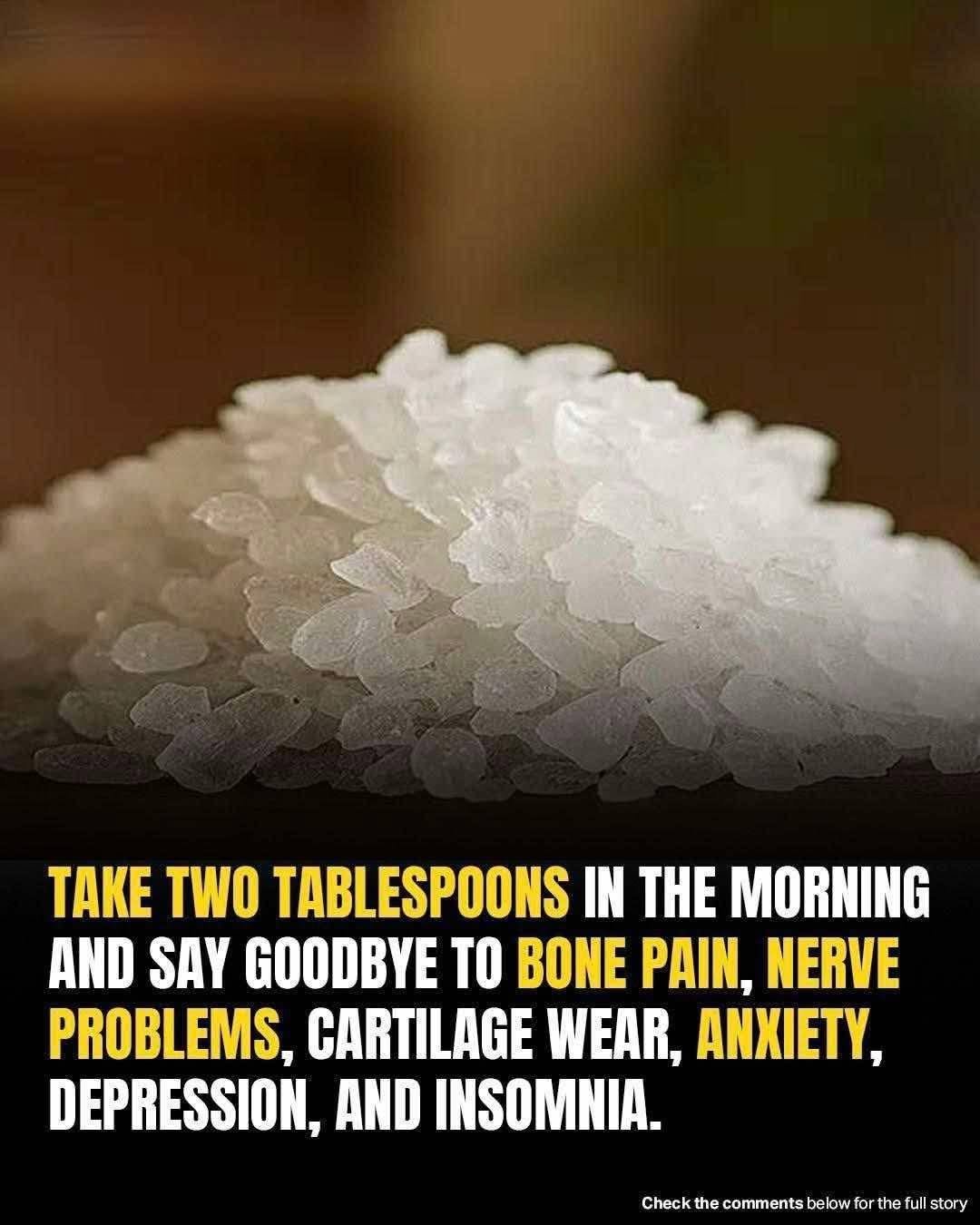
Digital media platforms frequently feature close-up photography of common household substances—such as coarse salt, sugar, or dietary crystals—paired with extravagant, sensationalized headlines claiming that consuming specific quantities can instantly cure an array of chronic ailments, including bone pain, nerve problems, cartilage wear, anxiety, depression, and insomnia. These viral posts are specifically engineered to exploit personal health vulnerabilities, provoke emotional hope, and drive rapid online comment sharing rather than providing accurate, evidence-based medical or nutritional education.
JPG+ 1
From a clinical medicine and nutritional science perspective, consuming large amounts of unverified home remedies or excessive daily quantities of sodium and refined substances poses significant health risks rather than offering therapeutic benefits. Conditions such as chronic nerve pain, cartilage degeneration, clinical depression, and generalized anxiety disorders require rigorous diagnostic evaluations and individualized treatment plans overseen by licensed healthcare professionals. Consuming excessive sodium, for instance, can lead to severe cardiovascular complications, hypertension, and fluid retention. Content-farming networks systematically manufacture miracle-cure narratives to exploit vulnerable individuals, generating high click-through rates and digital ad revenue at the expense of public health.
JPG
Maintaining long-term wellness and managing chronic health concerns involves adhering to evidence-based medical treatments, balanced nutrition, regular physical activity, and professional clinical guidance rather than relying on unverified internet remedies. Personal health management should always be grounded in verified medical science and clinical diagnoses. If you are experiencing persistent physical pain, sleep disturbances, or mental health challenges, consulting a licensed physician, specialist, or qualified healthcare provider is essential for safe, effective care.
JPG+ 2
Leave a Reply