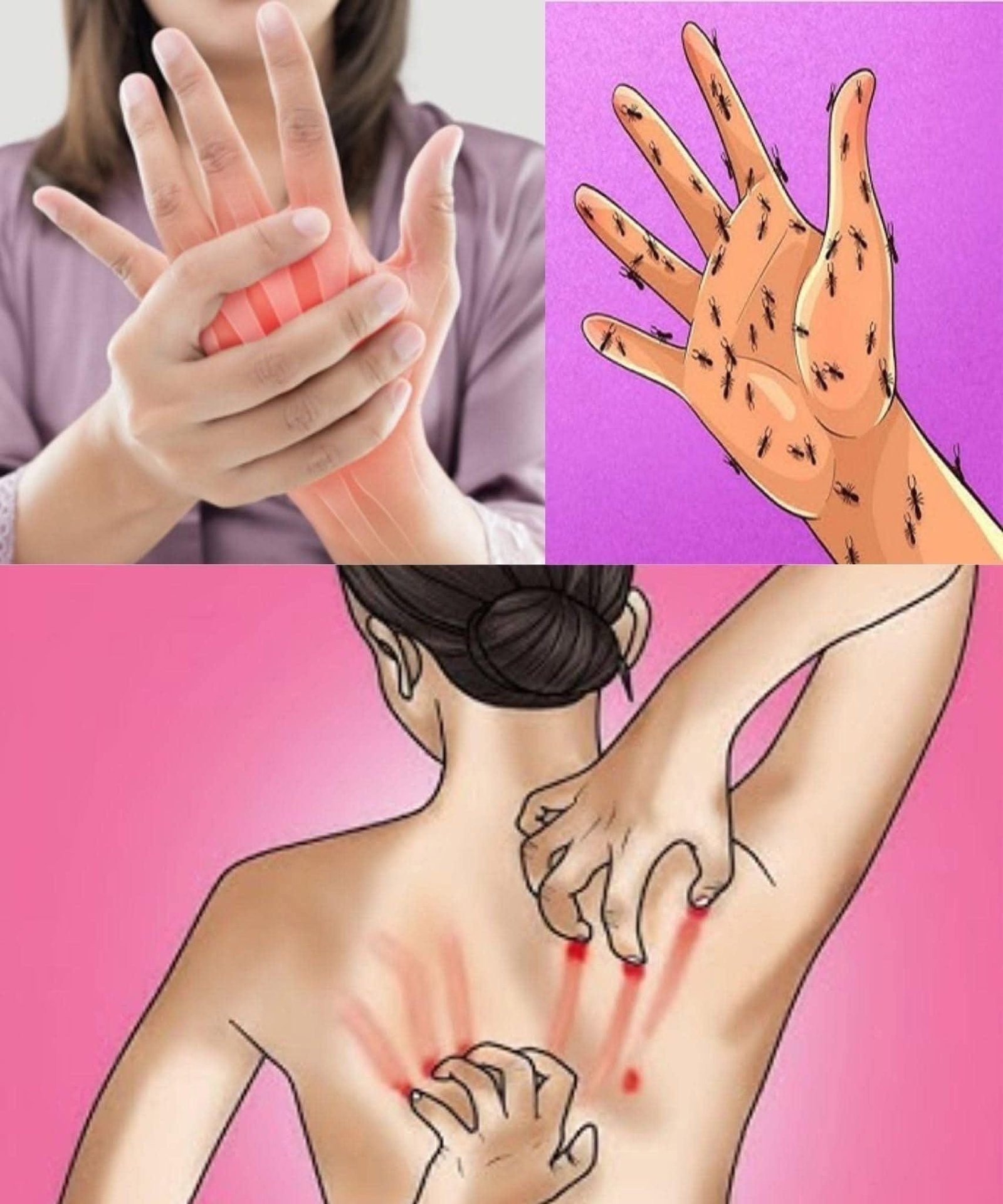
Digital media platforms frequently feature striking composite illustrations and medical photography paired with alarmist, cut-off clickbait headlines—such as warning that specific bodily sensations indicate severe, mysterious toxicity or internal organ overload. These viral posts are specifically engineered to provoke health anxiety, curiosity, and rapid online comment sharing rather than providing accurate, evidence-based dermatological or clinical education.
From a clinical dermatology and endocrinology perspective, symptoms such as localized pruritus (itching), skin irritation, or paresthesia (tingling sensations often metaphorically illustrated as ants on the skin) can stem from a wide array of dermatological, allergic, or systemic conditions, including dry skin, eczema, contact dermatitis, or metabolic variations like diabetes. However, generalized viral graphics use exaggerated, sensationalized warnings to link everyday physical sensations to alarming medical extremes. Content-farming operations regularly mischaracterize common physiological symptoms to maximize digital engagement metrics and ad revenue.
Maintaining skin health and overall wellness involves monitoring persistent physical symptoms, maintaining proper hygiene and moisturization, and relying on professional clinical guidance rather than alarming internet generalizations. Personal health decisions and medical concerns should always reflect verified diagnostic testing rather than social media clickbait. If you experience persistent itching, skin rashes, numbness, or unusual physical symptoms, consulting a licensed physician or dermatologist provides safe, evidence-based direction.
Leave a Reply