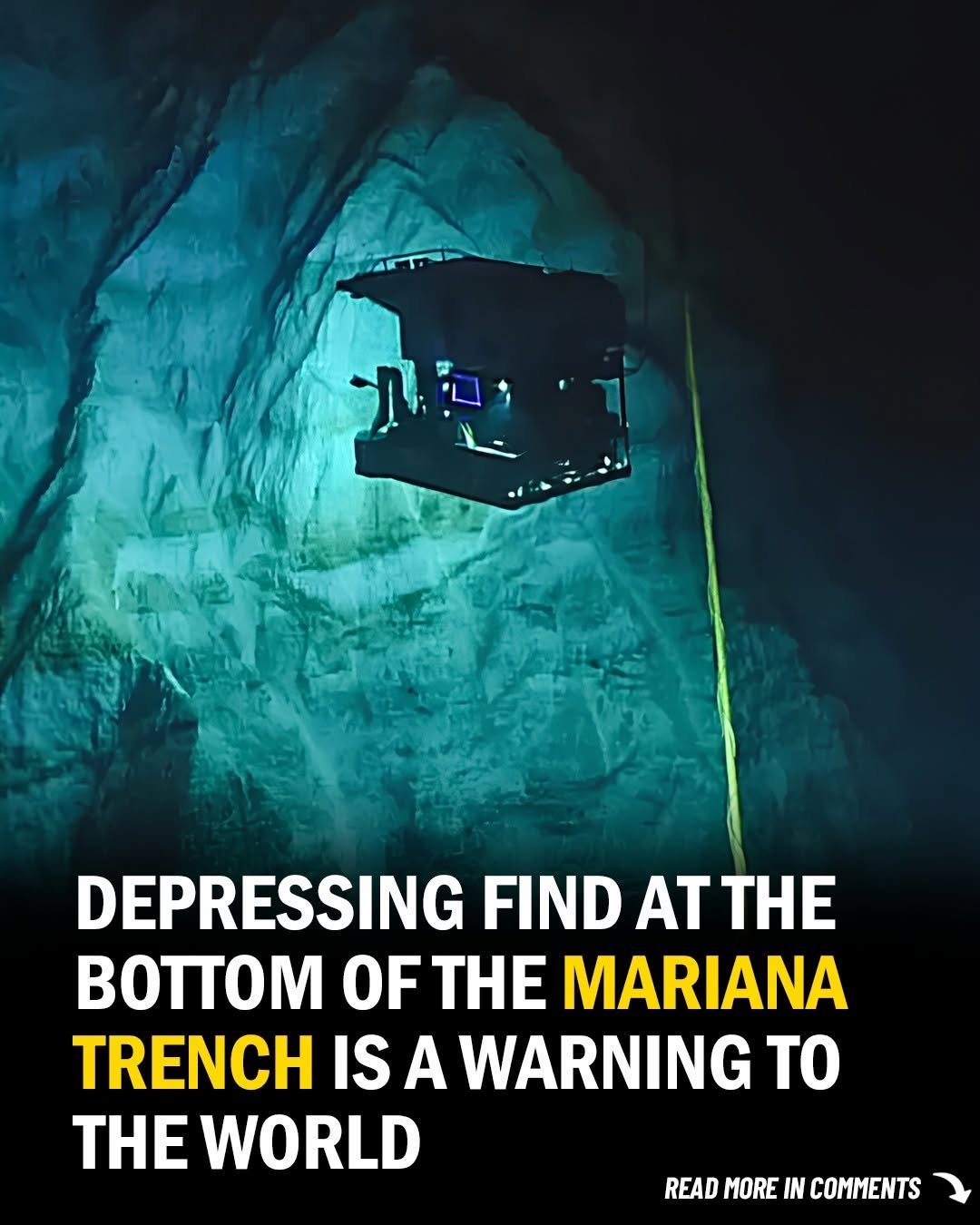
Digital media platforms frequently feature composite or AI-generated underwater imagery paired with sensationalized, alarmist headlines—such as claiming that a strange object was spotted 35,000 feet deep in the Mariana Trench as a warning to the world. These viral graphics are specifically engineered to provoke intense curiosity, environmental anxiety, and rapid online engagement rather than providing accurate, evidence-based marine scientific education.
From a marine science and deep-sea exploration perspective, the deepest point of the Mariana Trench (the Challenger Deep) reaches approximately 35,876 feet (10,935 meters), where extreme hydrostatic pressure, pitch-black conditions, and near-freezing temperatures exist. While scientific expeditions using specialized submersibles have occasionally documented anthropogenic debris (such as microplastics or single-use plastics) in deep oceanic trenches, viral clickbait graphics frequently use synthetic AI generations, cinematic movie stills, or unrelated cave diving photography to manufacture fake mysteries. Content-farming networks systematically exploit environmental themes to drive social media sharing and ad revenue.
Promoting genuine ocean conservation and environmental awareness involves relying on peer-reviewed marine research, oceanographic studies, and verified reports from institutions like NOAA rather than sensationalized social media clickbait. Evaluating deep-sea environments is most reliable when based on established ocean science and verifiable data. If you are interested in marine ecosystems and deep-sea exploration, consulting professional oceanographic organizations and scientific documentaries provides accurate, inspiring, and grounded insights.
Leave a Reply